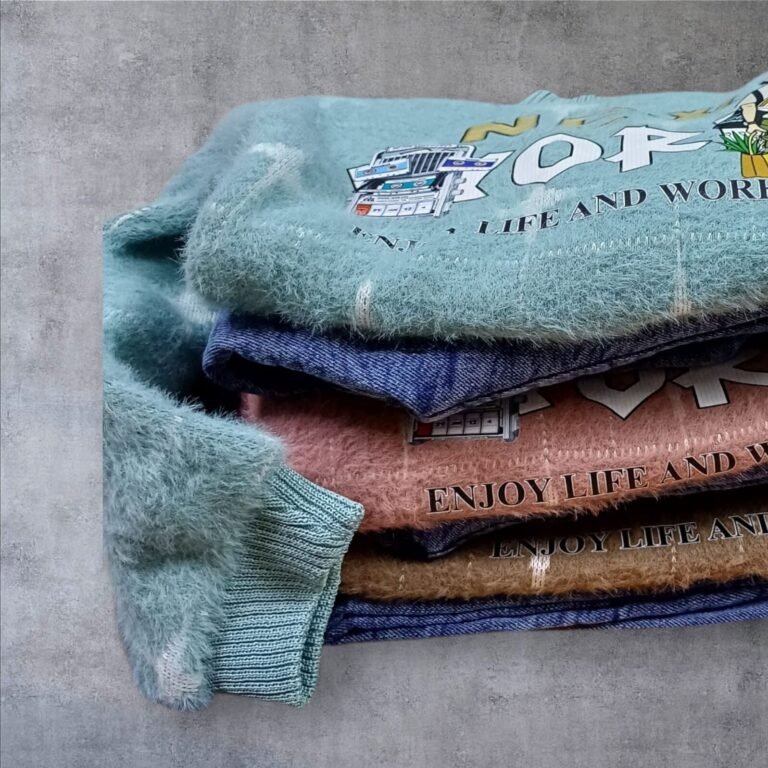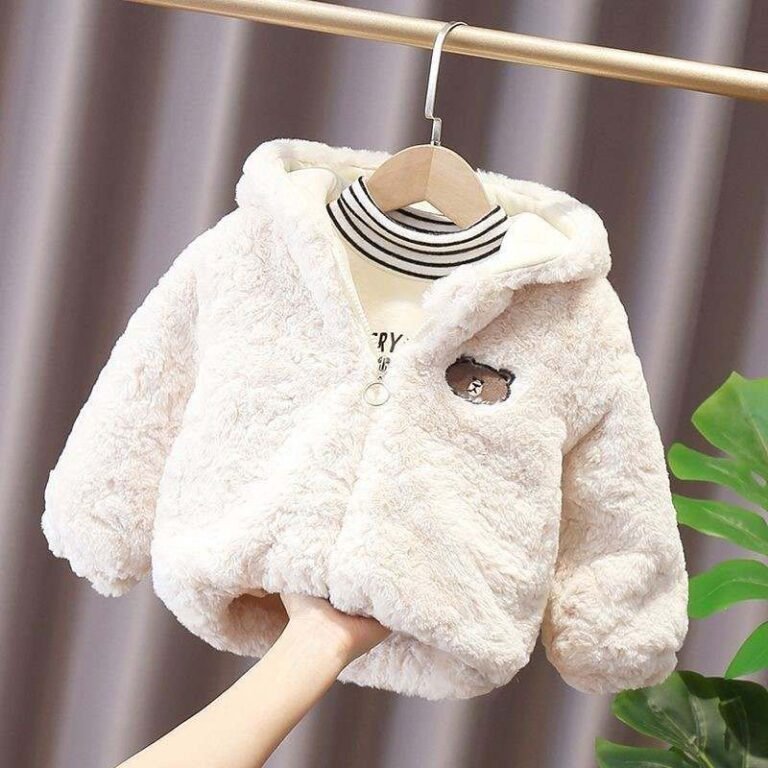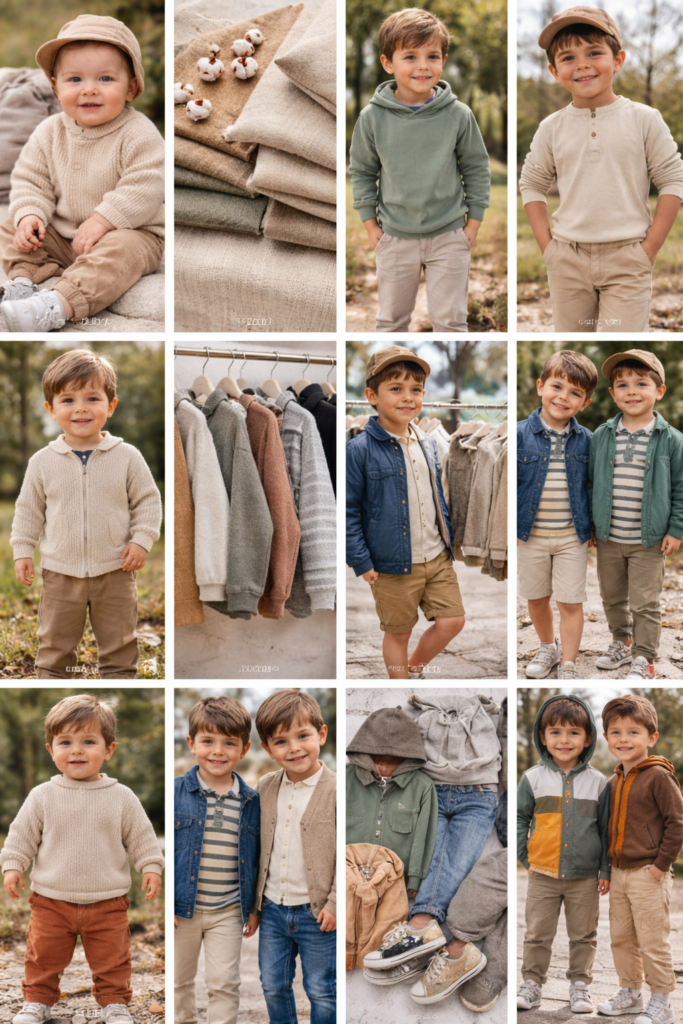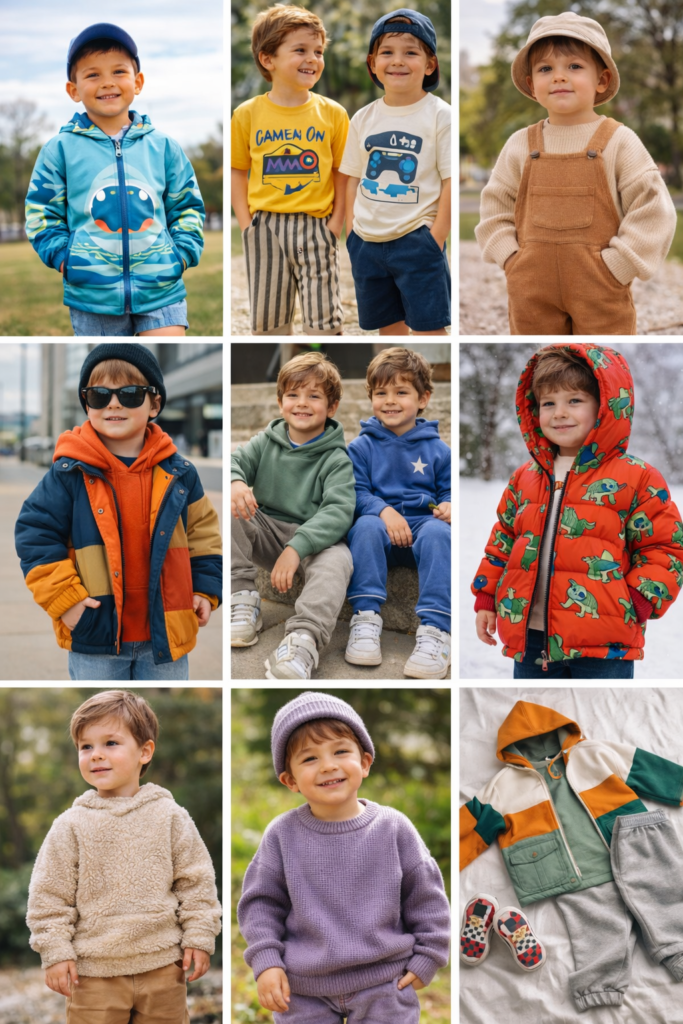


Posted on Leave a comment

Top 5 Kids Clothing Trends Every Parent Should Know

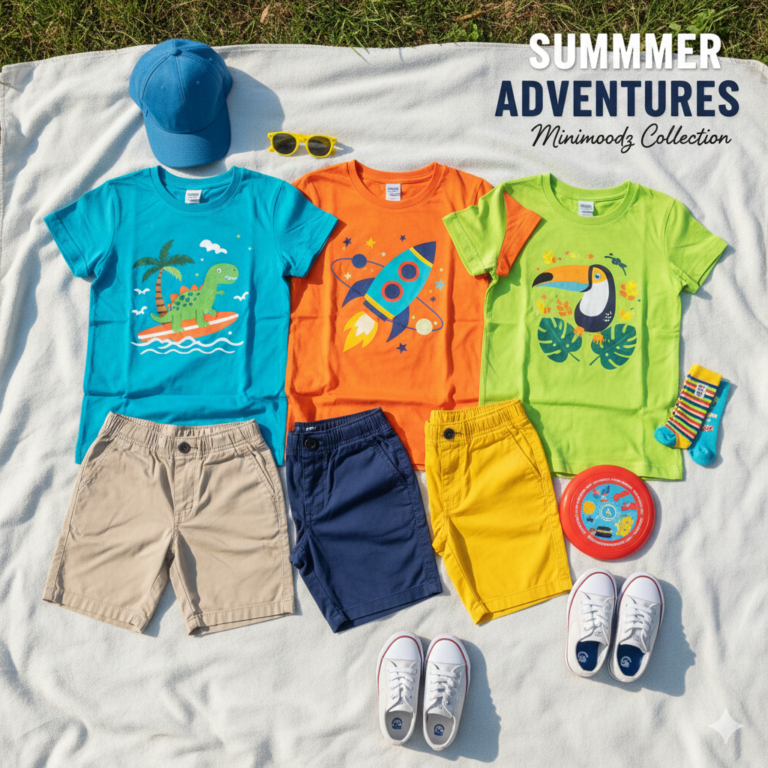
Choosing the right clothes for children is no longer just about size and color. Modern parents look for comfort, durability, safety, and style—all at the same time. With kids fashion evolving rapidly, staying updated can help parents make smarter buying decisions and avoid common mistakes.
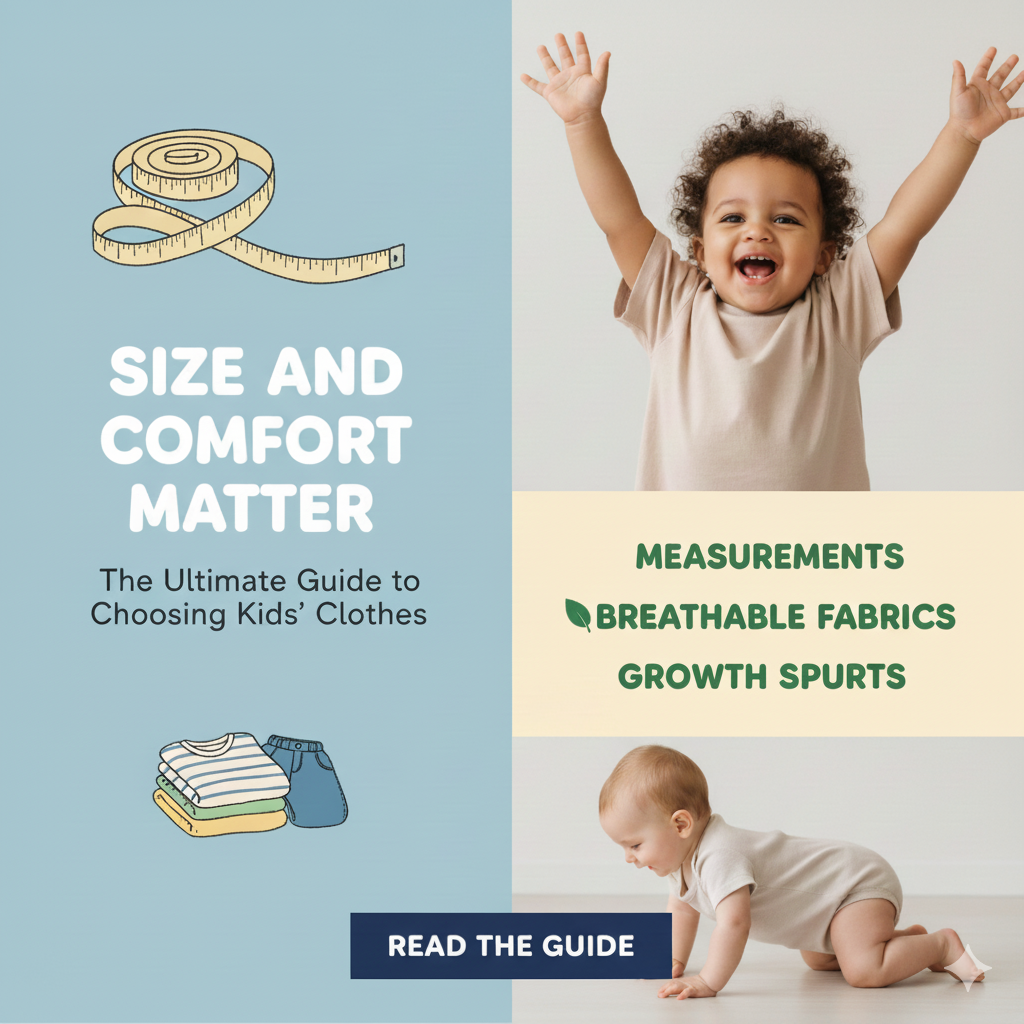

In this blog, we explore the top 5 kids clothing topics that drive the most traffic and conversions for online stores.

  1. Comfortable Fabrics: The #1 Priority in Kids Wear

When it comes to children’s clothing, fabric quality matters more than fashion. Kids have sensitive skin and high activity levels, making comfort essential.

Best fabrics for kids:

  • Cotton and organic cotton
  • Soft jersey blends
  • Breathable summer fabrics

Avoid clothes with rough seams or synthetic materials that can cause irritation. Comfortable clothing keeps children happy—and parents confident in their purchase.

  1. Age-Appropriate Fashion: Dressing Kids the Smart Way

Each age group has different clothing needs:

👶 Toddlers (0–2 years)

  • Snap buttons and stretchable necklines
  • Ultra-soft fabrics

🧒 Kids (3–6 years)

  • Play-friendly outfits
  • Elastic waistbands and durable stitching

👦 Older Kids (7–10 years)

  • Trendy designs with functional comfort
  • Colors and prints kids love

Age-appropriate clothing improves usability and reduces returns—boosting customer satisfaction.

  1. Trending Kids Fashion Styles Parents Love

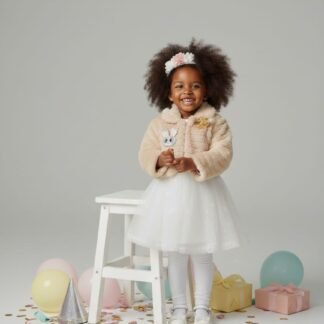
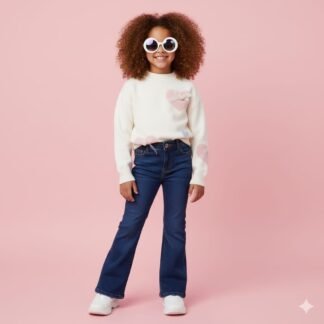
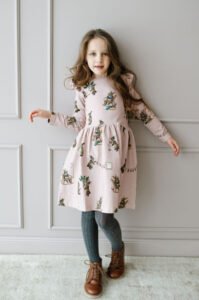
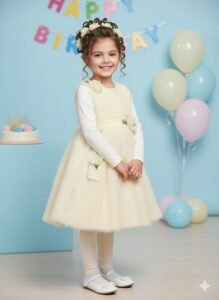
Kids fashion has become more stylish yet practical. The most popular trends include:

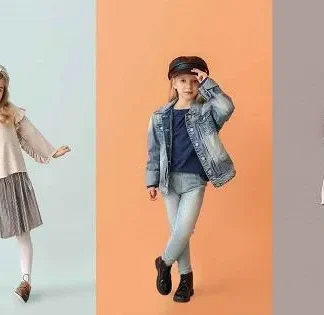
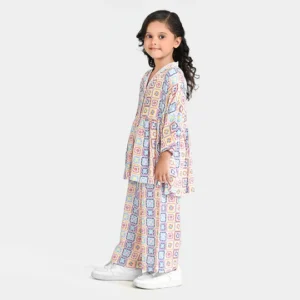
  • Matching co-ord sets
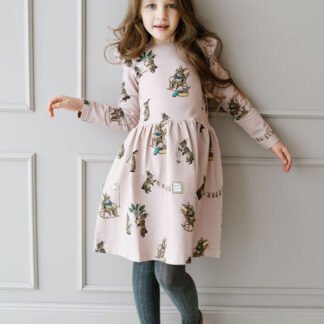
  • Cartoon and character prints
  • Neutral and pastel color palettes
  • Unisex kids clothing

These styles offer versatility and appeal to both parents and kids, increasing purchase intent.

  1. Online Shopping Tips for Kids Clothes

Online shopping is convenient—but only when done right.

Smart shopping tips:

  • Always check the size chart
  • Read fabric details carefully
  • Look for real product images and videos
  • Review shipping and return policies

Stores that provide clear product descriptions and videos build trust and convert visitors into buyers faster.

  1. Why Quality Kids Wear Is Worth the Investment

Parents today prefer quality over quantity. High-quality kids clothes:

  • Last longer
  • Withstand frequent washing
  • Can be reused by siblings

Although premium clothing may seem expensive initially, it delivers better long-term value.

Why Parents Choose MiniMoodz

At MiniMoodz, we combine fashion with functionality:

✔ Premium-quality kids clothing
✔ Comfortable, child-friendly designs
✔ Affordable pricing
✔ Product videos for better buying decisions
✔ Nationwide delivery across Pakistan

Our goal is to make kids feel confident and parents feel assured.

Conclusion

Kids fashion is about more than just looks—it’s about comfort, safety, and practicality. By choosing the right fabrics, age-appropriate styles, and trusted online stores, parents can make smarter fashion choices for their children.

Explore the latest kids wear collections and experience hassle-free shopping with MiniMoodz.


Posted on Leave a comment

بچوں کے کپڑوں کا بہترین انتخاب | جدید فیشن، خریداری کے آسان نکات

بچوں کے کپڑوں کا انتخاب کیوں اہم ہے؟

بچے نہ صرف ہمارے گھر کی رونق ہوتے ہیں بلکہ ان کی صحت، آرام اور اعتماد کا تعلق براہِ راست ان کے پہننے والے کپڑوں سے ہوتا ہے۔ غلط کپڑوں کا انتخاب بچوں کو بے آرام، چڑچڑا اور بعض اوقات جلدی الرجی کا شکار بھی بنا سکتا ہے۔ اسی لیے بچوں کے کپڑوں کی خریداری میں صرف خوبصورتی نہیں بلکہ معیار اور آرام کو بھی ترجیح دینا ضروری ہے۔

بچوں کے کپڑوں کے لیے بہترین فیبرک کون سا ہے؟

بچوں کی جلد نازک ہوتی ہے، اس لیے فیبرک کا انتخاب بہت سوچ سمجھ کر کرنا چاہیے۔

کپاس (Cotton):
سب سے بہترین اور محفوظ فیبرک، خاص طور پر گرمیوں کے لیے
جرسی اور سوفٹ بلینڈز:
روزمرہ استعمال کے لیے آرام دہ
مصنوعی کپڑے:
زیادہ استعمال سے گریز کریں کیونکہ یہ پسینہ اور خارش کا باعث بن سکتے ہیں

عمر کے مطابق بچوں کے کپڑوں کا انتخاب

ہر عمر کے بچے کی ضروریات مختلف ہوتی ہیں:

👶 0 سے 2 سال

  • نرم، بٹن یا زِپ کے بغیر کپڑے
  • آسانی سے پہننے اور اتارنے والے ڈیزائن

🧒 3 سے 6 سال

  • کھیل کود کے لیے لچکدار کپڑے
  • مضبوط سلائی اور آرام دہ فٹنگ

👦 7 سے 10 سال

  • فیشن کے ساتھ آرام
  • بچوں کی پسند کے رنگ اور پرنٹس

بچوں کے جدید فیشن ٹرینڈز

آج کل بچوں کے فیشن میں بھی بہت جدت آ چکی ہے:

✔ کارٹون پرنٹس
✔ منیچر کوآرڈ سیٹس
✔ سادہ لیکن اسٹائلش ڈیزائن
✔ یونیسیکس کپڑے

MiniMoodz پر آپ کو بچوں کے یہ تمام جدید فیشن ایک ہی جگہ دستیاب ہیں۔

آن لائن بچوں کے کپڑے خریدتے وقت احتیاطی نکات

آن لائن شاپنگ آسان ہے، لیکن چند باتوں کا خیال رکھنا ضروری ہے:

✔ سائز چارٹ ضرور دیکھیں
✔ فیبرک کی تفصیل پڑھیں
✔ ریٹرن اور ایکسچینج پالیسی چیک کریں
✔ اصل تصاویر اور ویڈیوز دیکھیں

MiniMoodz کیوں منتخب کریں؟

MiniMoodz پر ہم والدین کی ضروریات کو سمجھتے ہیں:

✔ اعلیٰ معیار کے بچوں کے کپڑے
✔ مناسب قیمتیں
✔ پاکستان بھر میں ڈیلیوری
✔ پراڈکٹ ویڈیوز اور اصل تصاویر

ہماری کوشش ہے کہ آپ کے بچے نہ صرف خوبصورت لگیں بلکہ خود کو آرام دہ بھی محسوس کریں۔

نتیجہ

بچوں کے کپڑوں کا انتخاب ایک ذمہ دارانہ کام ہے۔ صحیح فیبرک، درست سائز اور آرام دہ ڈیزائن نہ صرف بچوں کو خوش رکھتے ہیں بلکہ والدین کو بھی اطمینان دیتے ہیں۔ اگر آپ اپنے بچوں کے لیے بہترین کپڑے تلاش کر رہے ہیں تو آ MiniMoodz

Posted on Leave a comment

How to Choose Right Size and Fabric for Kids?

Size and Comfort Matter: The Ultimate Guide to Choosing Kids’ Clothes

Choosing clothing for children can often feel like a guessing game. They grow in the blink of an eye, and what fit perfectly last month might be straining at the seams today. Beyond the changing sizes, the fabric you choose plays a massive role in their comfort, safety, and ability to move freely throughout their busy, active day.

Getting it wrong can lead to uncomfortable rubbing, restricted play, and clothes that wear out before their time. Getting it right, however, means a happier, healthier child and better value for your money.

This guide will break down the essential points to consider when navigating the world of kids’ clothing sizes and fabrics.

Part 1: Mastering the Art of Sizing

Children’s sizing is notoriously inconsistent across brands and countries. Age is just a suggestion, and relying solely on it is a common mistake.

  1. Focus on Measurements, Not Just Age
  • The Golden Rule: Always refer to the brand’s specific size chart. Most brands provide guidelines based on height (the most critical measurement for length), weight, and chest/waist circumference.
  • The Key Measurements: Use a soft tape measure to track your child’s height (from head to heel) and chest/bust circumference. If buying pants or skirts, measure the waist and the inseam (from crotch to ankle). Keep these numbers handy on your phone!
  1. Prioritize Comfort and Movement
  • When in Doubt, Size Up: Kids grow quickly, and clothes are usually outgrown in length before they are in width. A slightly baggy item is better than one that restricts movement, especially for active children.
  • Check the Fit Test: When trying on clothes, ask your child to perform key movements:
    • Reach: Can they raise their arms above their head without the shirt riding up past their tummy?
    • Squat/Bend: Can they squat down without the pants pulling too tight at the knees or waistband?
    • Sit: Does the waist dig in uncomfortably when they sit?
  1. Factor in the Growth Spurt
  • The Shoulder Test: For shirts and jackets, check where the shoulder seam hits. It should rest right at the tip of the shoulder. If it’s already creeping toward the neck, the shirt is too small. If it hangs halfway down the arm, it’s too big, but might be a good “grow into” size.
  • Hem Allowance: Look for pants with adjustable waistbands and hems that can be rolled up initially. This maximizes the lifespan of the garment. For pajamas, make sure the feet (if footed) are not cramped, as this can affect foot development.

Part 2: Choosing the Right Fabric

A child’s skin is much more sensitive and absorbent than an adult’s, making fabric choice crucial for their health and well-being.

  1. Prioritize Natural, Breathable Fibers
  • Cotton (The All-Rounder): 100% cotton is soft, durable, easy to wash, and highly breathable. It’s ideal for everyday wear, inner layers, and sensitive skin. Opt for organic cotton if possible, which is grown without harsh pesticides, reducing chemical exposure.
  • Bamboo/Modal: Derived from natural sources, these fabrics are incredibly soft and have excellent wicking properties, making them fantastic for pajamas and activewear, as they pull moisture away from the skin.
  • Wool (Merino): While standard wool can be itchy, fine merino wool is soft, lightweight, and a superb natural temperature regulator. It keeps kids warm in the cold and cool in the heat, making it perfect for base layers in all seasons.
  1. Understand Synthetics (and When to Use Them)
  • Polyester/Nylon: These synthetic fibers are quick-drying and highly durable. They are best reserved for specific uses:
    • Outerwear: Excellent for water-resistant or waterproof jackets and snow pants.
    • Swimwear: Fast-drying and resistant to chlorine and sun fading.
    • Performance Wear: Good for athletic clothing where extreme moisture-wicking is needed (often blended with a natural fiber).
  • The Caution: Avoid 100% synthetic fabrics for everyday wear against the skin, especially in hot weather. They are less breathable than cotton and can trap heat and sweat, leading to discomfort and heat rash.
  1. The Importance of Safety and Care
  • Fire Safety: For sleepwear, look for garments labeled as flame-resistant. At least not easily flammable. Alternatively, choose snug-fitting pajamas (often made of cotton) which are safer than loose, flowing garments.
  • Hypoallergenic and Dye-Free: If your child has eczema or highly sensitive skin, look for clothing dyed with low-impact, non-toxic dyes or choose natural, undyed fabrics.
  • Durability for Play: Kids are tough on clothes. Look for fabrics with a slight stretch (e.g., a cotton-spandex blend) or reinforced stitching around the knees and elbows for maximum longevity.

Importantly, Uncomfortable Clothing for Newborns and Toddlers: Key Irritation Points

Choosing comfortable clothes is paramount for babies and toddlers due to their delicate, sensitive skin and inability to communicate discomfort clearly. Here are the key fabric types and clothing features that can cause irritation, rashes, overheating, and restricted movement:

Uncomfortable Fabrics to Avoid

  • Synthetic Materials (Polyester, Nylon, Acrylic):
    • Poor Breathability: These materials trap heat and sweat close to the skin, easily leading to overheating, heat rash, and fussiness.
    • Moisture Retention: They do not wick moisture as effectively as natural fibers, leaving the skin damp and increasing the risk of diaper rash or eczema flare-ups.
    • Chemical Additives: Synthetics are often treated with chemicals (like flame retardants or wrinkle-resistant finishes) that can trigger allergic contact dermatitis or general skin irritation.
  • Rough/Coarse Fabrics (Regular Wool, Thick Denim):
    • Scratchy Texture: Traditional or coarse wool fibers can be intensely itchy and irritating against a baby’s thin skin, even when worn over an inner layer.
    • Stiffness: Stiff fabrics (like heavy, unwashed denim) can limit a toddler’s range of motion, making crawling, squatting, or playing uncomfortable and restrictive.
  • Fabrics with Toxic Residues (Untreated/Cheaply Dyed):
    • Formaldehyde Resins: Used to make clothes wrinkle-resistant; these can cause significant skin irritation and allergic reactions. Look for “formaldehyde-free” labels.
    • Harsh Chemical Dyes/Paint Fonts: Certain heavy or bright dyes, especially those used in mass-produced fast fashion, can rub off onto the skin and cause dermatitis.

Uncomfortable Clothing Construction and Fit

  • Tight or Restrictive Fit (Especially Around Joints):
    • Reduced Circulation: Clothing that is too snug at the wrists, ankles, neck, or waist can limit blood flow and leave red pressure marks.
    • Hinders Movement: Tight-fitting pants or tops restrict a toddler’s ability to bend, crawl, or play, leading to frustration and physical discomfort.
    • Diaper Bulk: Clothes designed without extra room for diapers (especially cloth diapers) can become painfully tight around the crotch and waist.
  • Irritating Seams, Tags, and Appliqués:
    • Bulky Seams: Thick, poorly finished internal seams (common in inexpensive garments) can constantly rub and chafe a baby’s delicate skin, particularly on the back and legs.
    • Scratchy Tags: Traditional care and brand tags at the neck or waist can be a major source of chronic scratching and neck irritation. (Opt for tagless clothing).
    • Stiff Prints/Embroidery: Large, heavy plastic-based prints or scratchy embroidery on the inside of the garment can cause irritation where it presses against the skin.
  • Poor Fastenings and Accessories:
    • Snaps/Zippers that Rub: Zippers that lack a protective fabric guard at the top (near the neck) can pinch or rub. Metal snaps/buttons may contain nickel, a common contact allergen.
    • Tight Elastic: Stiff or narrow elastic in waistbands, sleeves, or socks can dig into the skin and restrict movement or circulation.
    • Loose Trims: Dangling ribbons, cords, or overly large bows on sleepwear are not only uncomfortable but also pose safety/choking hazards and may get twisted around fingers or toes.
  • Inappropriate Seasonal Wear (Over-Dressing):
    • Too Many Layers: Dressing a baby in too many thick layers (even if natural) can lead to rapid overheating (a SIDS risk factor) and severe sweating.
    • Non-Absorbent Outerwear: Using thick, non-breathable outerwear or blankets indoors can quickly create an uncomfortable, sweaty microclimate next to the skin.
Posted on Leave a comment

New Parenting and Kids Clothing

Becoming a new parent brings endless joy — but it also brings one big question:
“What clothes should I buy for my baby that are comfortable, safe, and still cute?

As a new parent, one of the biggest challenges is choosing clothes that keep your child comfortable, safe, and stylish. With so many fabrics, designs, and trends available, it’s easy to feel overwhelmed. This guide explains exactly how to choose the best kids’ clothes that support comfort while making your child look adorable.

  1. Choose Soft, Skin-Friendly Fabrics

Baby skin is sensitive — the wrong fabric can cause itching or rashes. Best fabrics for kids:

  • 100% Cotton: Breathable, soft, perfect for daily wear
  • Fleece: Warm and cozy for winters
  • Acrylic/Wool Blend: Gentle warmth without irritation
  • Bamboo & Jersey: Lightweight, stretchable, perfect for active toddlers

Avoid synthetic materials that trap heat.

  1. Focus on Comfort and Easy-to-Wear Designs

New parents need clothes that are simple to handle.
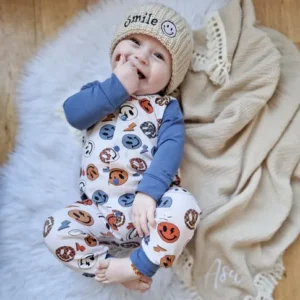
Look for outfits with:
✔ Snap buttons for diaper changes
✔ Stretchy neck openings
✔ Elastic waistbands
✔ Lightweight layers
✔ Tag-less labels

Comfort keeps your child active and happy.

  1. Add Style with Smart Choices

Your baby can look stylish without sacrificing comfort.
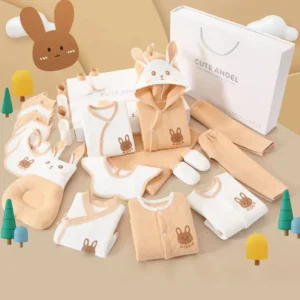
Simple styling tips:

  • Choose matching coord sets
  • Prefer minimal prints for a classy look
  • Pick bright winter colors like mustard, maroon, and teal
  • Add warm hoodies, cardigans, and soft uppers
  • Mix and match neutral basics like white, grey, navy

Stylish doesn’t mean complicated.

  1. Dress According to the Season

Seasonal outfits protect your child from discomfort.
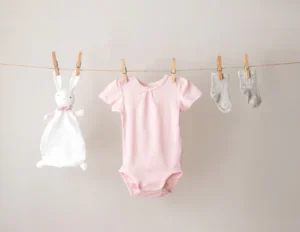
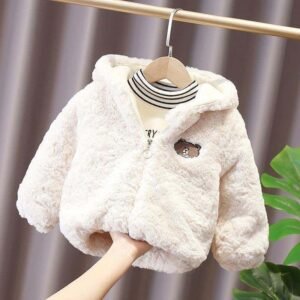
Winter Wear

  • Soft wool trousers
  • Fleece sets
  • Hooded uppers
  • Full sleeve inners
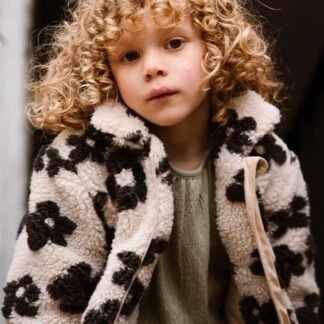
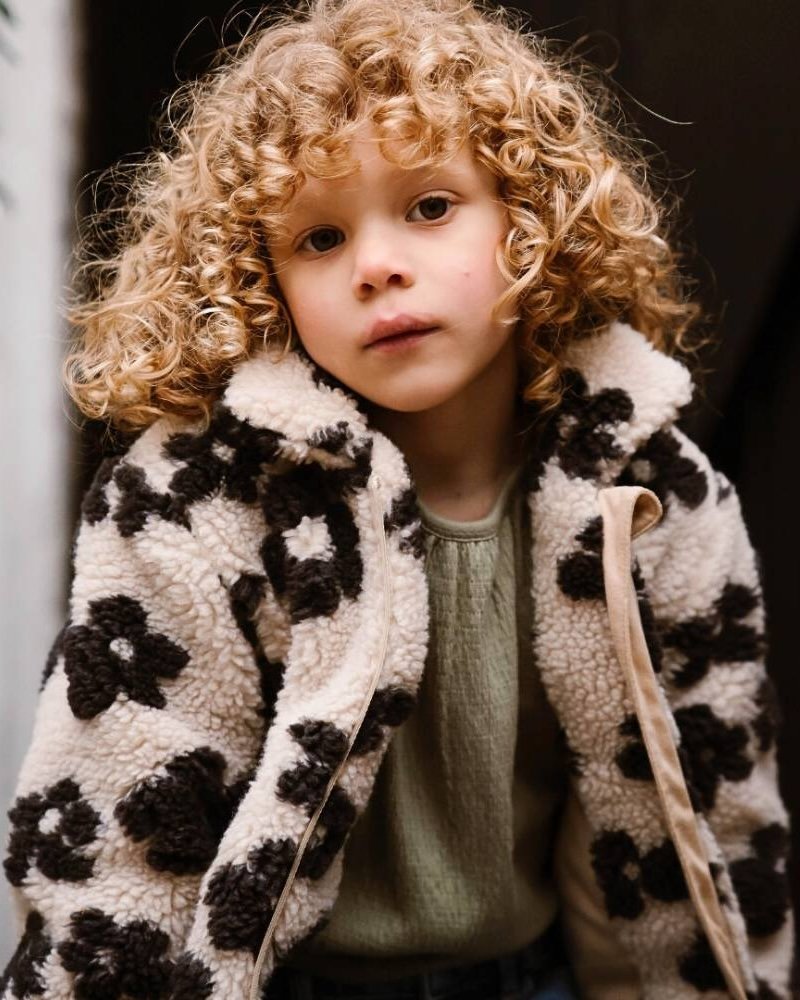
  • Furry jackets

Summer Wear

  • Loose cotton rompers
  • Light T-shirts
  • Breathable shorts
  • Sleeveless frocks

Weather-appropriate clothing = comfort + safety.

  1. Pick Clothes That Are Easy to Wash

Kids spill and play — choose durable clothes that survive multiple washes.
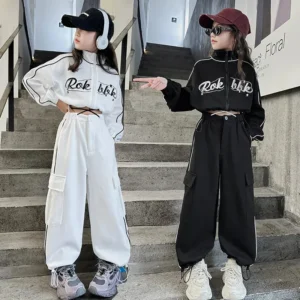
Look for:
✔ Strong stitching
✔ Fade-resistant colors
✔ Soft fabric that stays comfortable after washing

  1. Choose the Right Size

Kids grow fast — the wrong size can cause discomfort.
Buy one size up for newborns, but avoid oversized winter wear that restricts movement.

Conclusion

Choosing comfortable and stylish clothes is easy when you focus on soft fabrics, easy designs, and seasonal comfort. With the right choices, your child will stay happy, active, and adorable every day.


Posted on Leave a comment

Top 10 Kids’ Fashion Outfits That Will Define 2026

Top 10 Kids’ Fashion Outfits That Will Define 2026

Kids’ fashion in 2026 blends comfort, creativity, and functionality more than ever before. Designers and trend analysts agree: parents want clothes their children can live in — while still looking stylish, expressive, and modern.
Below is a curated list of the top 10 outfits expected to dominate the kids’ fashion world in 2026, along with suggested photo styles to help you visualize each trend.

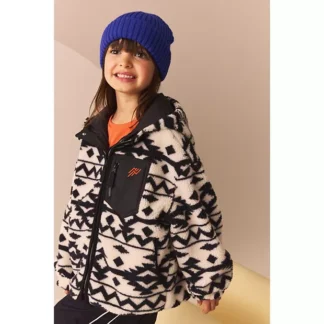
  1. Cozy Fur-Lined Winter Sets

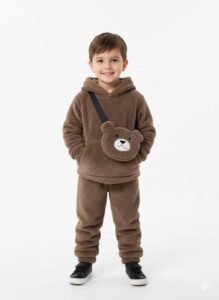
Warm, plush, and irresistibly soft — fur-lined winter sets are leading the charge this year. Designers are pairing faux-fur hooded uppers with soft inners and fleece trousers, creating a premium winter look that’s still play-friendly.
Photo style: Kids in fur-lined hoodies playing in light winter snow / holding plush toys.
Search: “kids fur winter outfit 2025”

  1. Mini Streetwear Tracksuits

Urban-inspired style continues into 2026 with oversized hoodies, jogger pants, and neutral colors dominating. This look is comfortable enough for school, stylish enough for outings, and expressive enough for kids’ growing identities.
Photo style: Kids wearing baggy hoodies + sneakers in a street-style photoshoot.
Search: “kids streetwear tracksuit”

  1. Soft Knit Sweater & Pants Sets

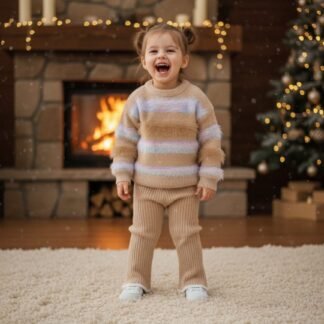
Scandinavian minimalism is shaping kids’ wear with chunky knit sweaters paired with ribbed trousers. These pieces feel luxurious but gentle — ideal for winter gatherings or cozy family days.
Photo style: Neutral-toned knit outfits shot indoors with warm lighting.
Search: “children knitwear set winter”

  1. Pastel Two-Piece Everyday Sets

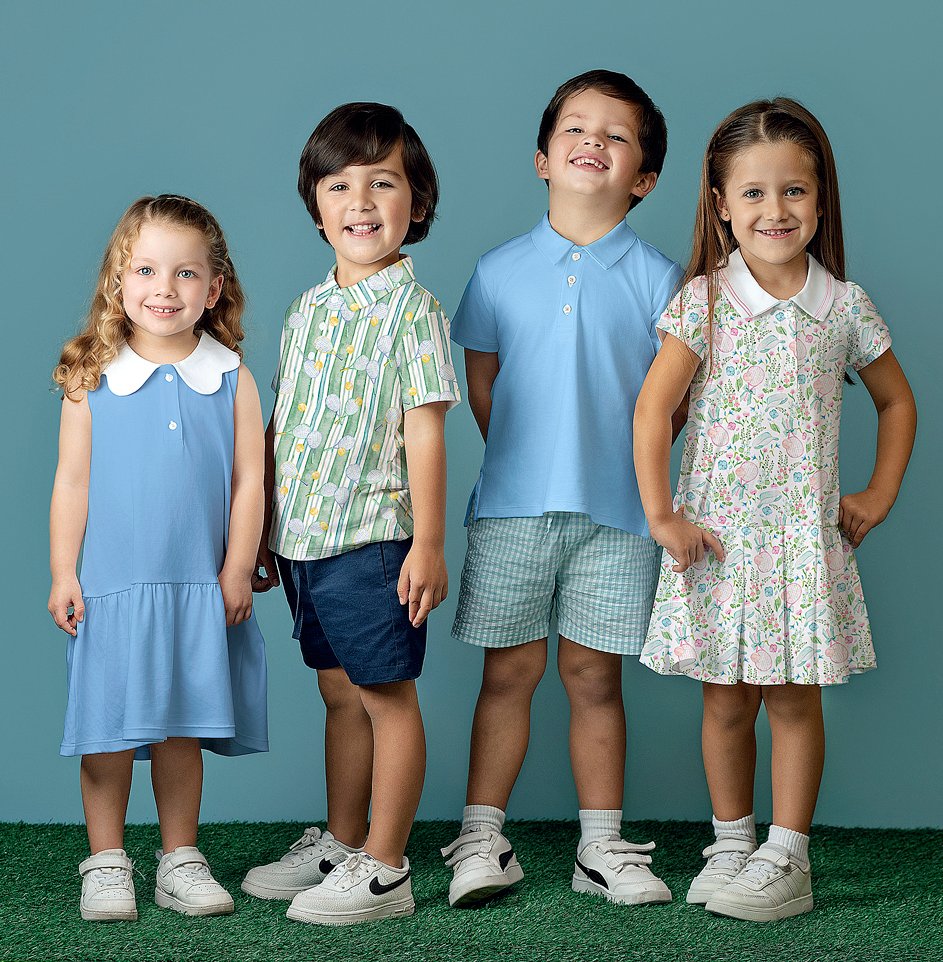
Brands are embracing calm, soothing colors: ice blue, pastel lilac, soft peach, mint green. These two-piece sets work for school, casual days, or outings — and parents love how photogenic they are.
Photo style: Soft pastel outfits in natural daylight or garden settings.
Search: “kids pastel clothing set”

  1. Organic Cotton Comfort Wear

With parents becoming more conscious of skin-friendly fabrics, organic cotton outfits are at the forefront. These sets focus on breathability, stretch, and softness — especially for younger children.
Photo style: Clean, natural-themed photos with earthy backgrounds.
Search: “organic cotton kids outfit”

  1. Party-Ready Cozy Glam Outfits

2026 partywear blends warmth with glam — think glitter sweaters, faux-fur jackets, layered skirts, and soft textures. Designs are vibrant yet comfortable, perfect for winter birthdays or festive events.
Photo style: Kids in sparkly tops + fur jackets in a festive indoor shoot.
Search: “kids glam winter outfit”

  1. Adventure-Themed Hooded Sets

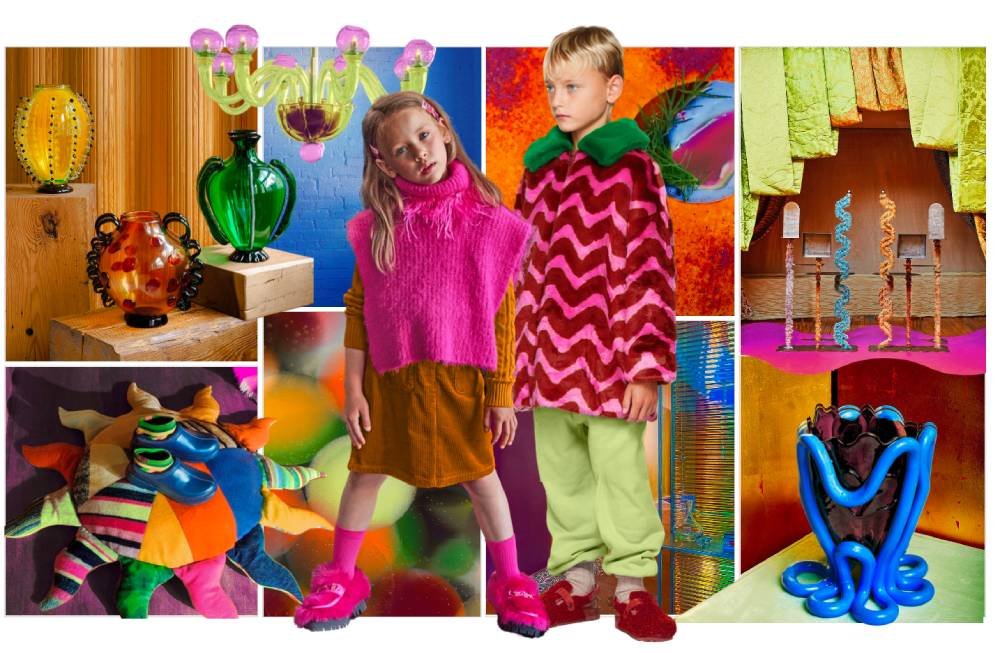
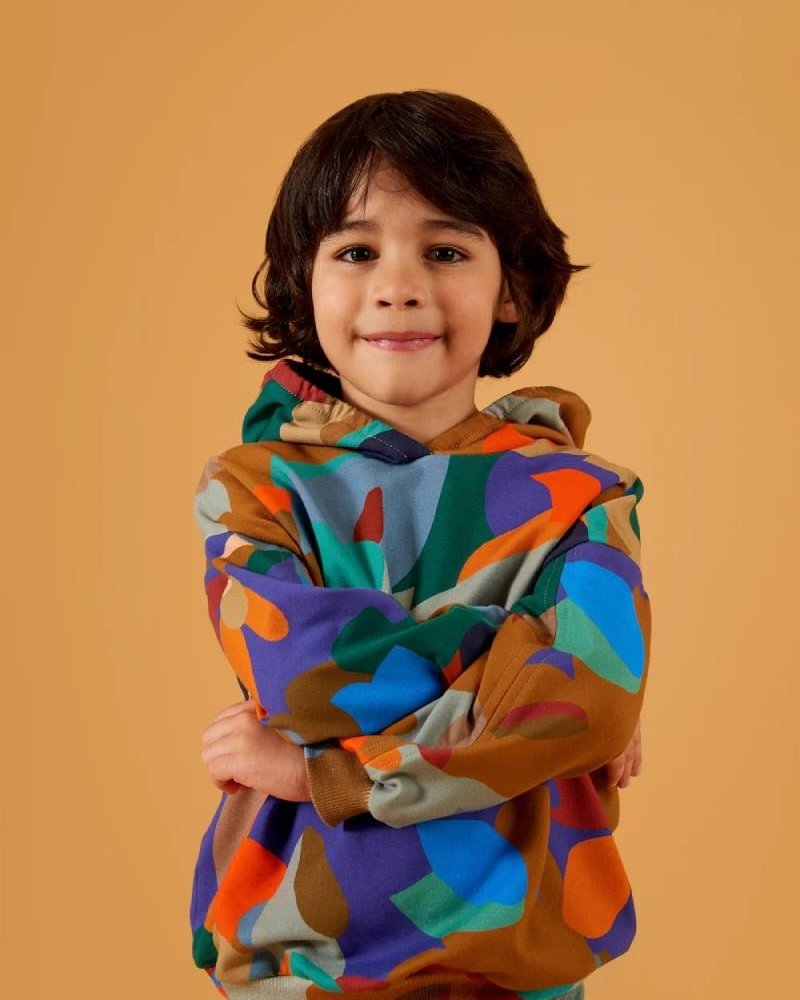
Print storytelling is booming. Hooded sets featuring dinosaurs, space galaxies, forest animals, and superhero themes let kids express their imaginations through fashion.
Photo style: Outdoor playground scenes with bold, printed hoodies.
Search: “kids dinosaur hoodie outfit”

  1. Gender-Neutral Oversized Sweaters

A major shift toward minimal, gender-neutral fashion continues. Oversized sweaters in mocha, olive, beige, and charcoal offer a modern, effortless look suitable for any child.
Photo style: Soft natural-light portraits with neutral background tones.
Search: “kids neutral minimalist sweater”

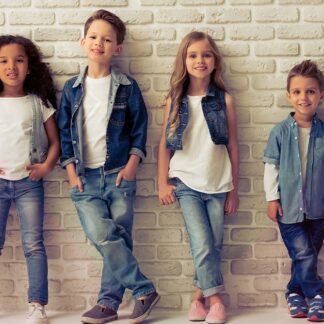
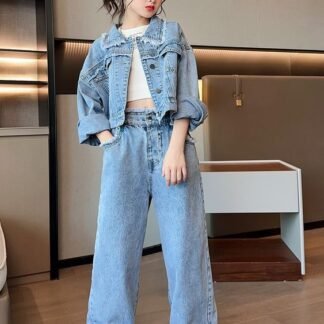
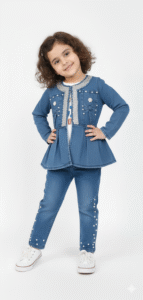
  1. Premium Stretch Denim Sets

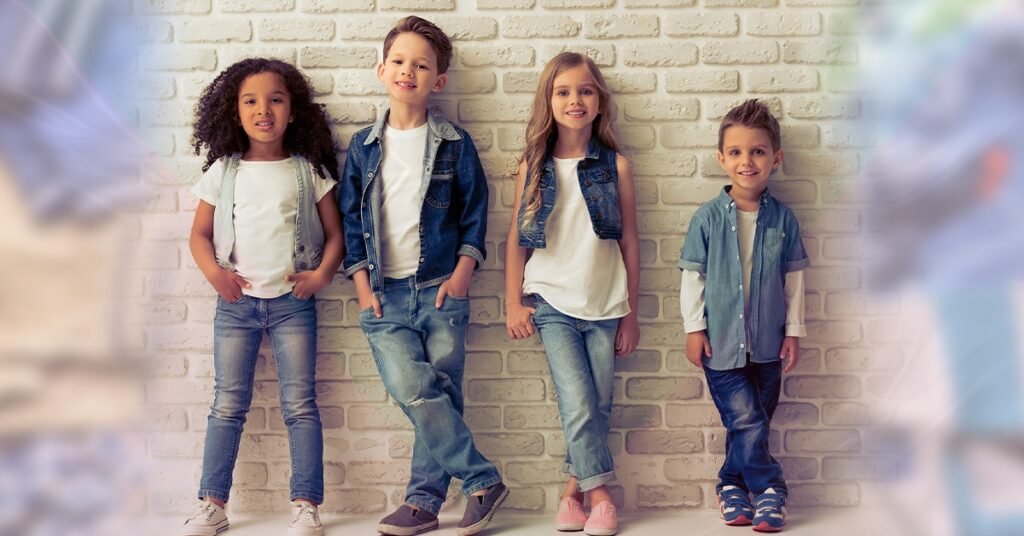
Comfort-stretch denim is redefining kids’ jeans for 2026. Lightweight, flexible, and paired with sweatshirts or cardigans, denim sets are becoming a must-have for practical, everyday style.
Photo style: Kids in denim jackets/pants sitting on steps or urban settings.
Search: “kids stretch denim fashion”

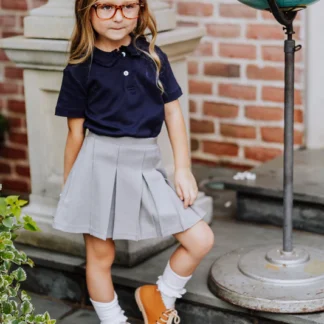
  1. Layered Schoolwear Outfits

Layering is a dominant trend. Sweaters over inners, soft jackets over tees, and stretchable bottoms create a functional, weather-friendly school outfit that never feels heavy.
Photo style: Schoolyard or classroom lifestyle shots.
Search: “kids layered school outfit”

Final Thoughts

2026 is shaping up to be a year where kids’ clothing becomes more expressive, more functional, and more aligned with real-life comfort. From fur-lined winter sets to organic cotton basics, the trends reflect what modern parents truly value: safe fabrics, beautiful designs, premium quality, and playful personality.