
Nutrition and Child Development
Nutrition and Its Influence on Child Development: A Scientific Guide for Parents
A child’s brain does not develop in isolation.
It develops through experience, environment—and nutrition.
The food a child eats does not just affect physical growth. It directly influences brain development, emotional regulation, cognitive ability, and behavior.
From the first year of life to adolescence, nutrition acts as a biological foundation for development.
WHY NUTRITION MATTERS IN CHILD DEVELOPMENT
Child development depends heavily on adequate intake of macro- and micronutrients.
Nutrition supports:
- Brain structure and function
- Neurotransmitter production
- Physical growth
- Immune system development
- Emotional regulation
According to the World Health Organization, proper nutrition in early childhood is essential for optimal cognitive and physical development (WHO, 2020).
The Science Behind Nutrition and Brain Development
The developing brain requires specific nutrients for optimal functioning.
KEY NUTRIENTS AND THEIR ROLES
Protein supports brain cell growth and repair.
Omega-3 fatty acids (DHA) are essential for neural development and cognitive function.
Iron plays a critical role in oxygen transport and brain development. Iron deficiency has been linked to cognitive delays.
Zinc supports immune function and brain signaling.
Vitamins (A, B-complex, D) support neurological development and energy metabolism.
Research shows that early nutritional deficiencies can lead to long-term developmental challenges (Georgieff, 2007).
NUTRITION ACROSS DEVELOPMENTAL STAGES
Infancy (0–2 Years)
Nutrition is critical for rapid brain growth.
Breastfeeding or appropriate alternatives provide essential nutrients.
Deficiencies during this stage can have lasting effects.
Early Childhood (2–6 Years)
Children require balanced diets to support learning and physical activity.
Irregular eating habits may affect attention and behavior.
Middle Childhood (6–12 Years)
Nutrition influences academic performance and energy levels.
Balanced meals improve concentration and memory.
Adolescence (12–18 Years)
Rapid physical growth increases nutritional needs.
Poor diet at this stage can affect mood, energy, and long-term health.
NUTRITION AND EMOTIONAL & BEHAVIORAL DEVELOPMENT
Food affects not only the body but also behavior.
Children with poor nutrition may show:
- Irritability
- Low concentration
- Hyperactivity
- Mood instability
Research indicates a link between diet quality and mental health outcomes in children (Jacka et al., 2010).
Common Nutritional Problems in Children
- Iron deficiency anemia
- Vitamin D deficiency
- Protein-energy malnutrition
- Excess sugar and processed food intake
These issues can affect both physical and cognitive development.
NUTRITION IN CHILDREN WITH AUTISM
Children with Autism Spectrum Disorder often have unique nutritional needs and challenges.
Why Nutrition Is Different in Autism
Children with autism may experience:
- Sensory sensitivities to food textures
- Limited food preferences
- Gastrointestinal issues
- Nutritional deficiencies
Research suggests that dietary patterns can influence behavior and gastrointestinal symptoms in autism (Hyman et al., 2012).
What Children with Autism Can Eat
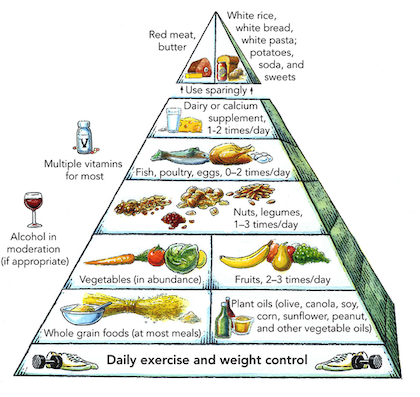
A balanced, nutrient-rich diet is recommended.
Helpful foods include:
- Fruits and vegetables
- Whole grains
- Lean proteins (chicken, fish, legumes)
- Healthy fats (nuts, seeds, omega-3 sources)
Foods rich in omega-3 and vitamins support brain function.
Foods to Limit or Monitor
Some children may benefit from reducing:
- Highly processed foods
- Excess sugar
- Artificial additives and preservatives
In some cases, parents explore gluten-free or casein-free diets, but scientific evidence remains mixed. Dietary changes should always be supervised by professionals.
IMPORTANT NOTE FOR PARENTS
There is no single “autism diet” that works for every child.
Individual assessment is essential.
Consult a pediatrician or nutrition specialist before making major dietary changes.
How Parents Can Improve Child Nutrition
Start with simple habits.
Provide balanced meals that include protein, carbohydrates, and healthy fats.
Encourage regular meal times.
Limit junk food and sugary snacks.
Model healthy eating behavior—children learn by observing, as explained by Albert Bandura (Bandura, 1977).
When to Seek Professional Advice
Consult a specialist if:
- The child has limited food intake
- There are signs of nutritional deficiency
- Growth is below expected levels
- Feeding difficulties are persistent
- The child has special needs affecting their diet
Early nutritional intervention improves outcomes.
TOP 10 NUTRITION TIPS FOR PARENTS
- Provide balanced meals
- Encourage variety in food
- Limit processed foods
- Ensure adequate hydration
- Include iron-rich foods
- Support regular eating routines
- Avoid force-feeding
- Monitor growth and development
- Seek professional guidance when needed
- Be patient with eating habits
Final Thought
- Nutrition is not just about feeding a child.
- It is about building the foundation for how a child thinks, feels, and grows.
- Every meal contributes to development.
- And every healthy choice today supports a stronger future.
REFERENCES (APA 7)
- World Health Organization. (2020). Child nutrition guidelines.
- Georgieff, M. K. (2007). Nutrition and the developing brain. American Journal of Clinical Nutrition.
- Jacka, F. N., et al. (2010). Association between diet quality and mental health. American Journal of Psychiatry.
- Hyman, S. L., et al. (2012). Nutrient intake in children with autism. Journal of Autism and Developmental Disorders.
- Bandura, A. (1977). Social learning theory. Prentice Hall.