
Tantrums vs Autism
Tantrums vs Autism: Key Differences, Causes and How to Help Your Child
Many parents struggle to understand whether a child’s behavior is a normal tantrum or something more serious like autism. While tantrums are common in early childhood, certain patterns may raise concern. Understanding the difference is essential for providing the right support.
This guide explains tantrums from a psychological perspective, compares them with autism-related behaviors, and provides practical strategies to manage and reduce them.
What Are Tantrums in Children?
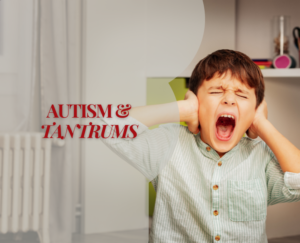
Tantrums are emotional outbursts that occur when a child feels overwhelmed and cannot regulate their emotions. They are most common between ages 1 and 4 and are considered a normal part of development.
These behaviors often include crying, screaming, hitting, or refusing to cooperate. They usually happen in response to frustration, fatigue, or unmet needs.
Research shows that self-regulation develops gradually as the brain matures, which explains why young children rely on physical expression rather than verbal communication (Center on the Developing Child, Harvard University, 2011).
What Causes Tantrums in Children?
Tantrums are typically triggered by specific developmental and environmental factors.
Children may have tantrums when they feel frustrated but lack the language to express it. Limited communication skills often lead to emotional overload. In addition, a strong desire for independence can create conflict when children cannot achieve what they want.
Environmental triggers also play a major role. Hunger, tiredness, overstimulation, and sudden changes in routine can increase the likelihood of tantrums.
From a psychological perspective, behavior is also shaped by learning. According to Albert Bandura, children repeat behaviors that receive attention or reinforcement, which can unintentionally increase tantrum frequency.
Tantrums vs Autism: Key Differences
Although tantrums are common, some behaviors may resemble symptoms seen in children with Autism Spectrum Disorder. However, the underlying causes and patterns are different.
Nature of Behavior
Tantrums are usually goal-directed. A child may cry or shout to get something they want. In contrast, behaviors in autism are often not about achieving a specific goal but are related to sensory overload or difficulty processing the environment.
Triggers
Tantrums are typically triggered by frustration or unmet needs. Autism-related meltdowns may occur due to sensory sensitivity, changes in routine, or overwhelming stimuli.
Social Interaction
Children having tantrums still seek attention and connection with caregivers. Children with autism may show reduced eye contact, limited social engagement, or difficulty responding to others.
Communication
Tantrums often decrease as communication skills improve. In autism, communication challenges may persist, including delayed speech or difficulty understanding language.
Pattern Over Time
Normal tantrums decrease with age and guidance. Autism-related behaviors tend to persist and require structured intervention.
Clinical guidelines emphasize that persistent social and communication difficulties, along with repetitive behaviors, are key indicators of autism rather than typical tantrums (American Psychiatric Association, 2013).

Best Calming Techniques for Kids
- Managing tantrums effectively requires both immediate and long-term strategies.
- During a tantrum, staying calm is the most important step. Children often mirror adult emotions, so a calm response helps reduce intensity. Acknowledging feelings, such as saying “I understand you are upset,” helps the child feel heard.
- Reducing stimulation can also help. Moving the child to a quieter space or removing distractions often lowers emotional overload.
- Over time, teaching emotional skills becomes essential. Helping children name their feelings gradually replaces physical reactions with verbal expression. Consistent routines also reduce stress and prevent many tantrums before they begin.
- Positive reinforcement plays a key role. When calm behavior is noticed and appreciated, children are more likely to repeat it.
When to Worry About Tantrums
While tantrums are normal, certain signs may indicate the need for professional evaluation.
Parents should consider consulting a specialist if tantrums are extremely frequent, unusually intense, or continue beyond the expected age. Behaviors such as self-harm, aggression toward others, or lack of social interaction may also require attention.
It is also important to seek help if there are concerns about delayed speech, limited eye contact, or lack of response to social cues. These signs may indicate developmental differences that need early assessment.
Early intervention is strongly recommended when concerns arise, as it significantly improves outcomes (Shonkoff & Phillips, 2000).
Final Thought
Not all challenging behavior is the same. Tantrums are often a normal part of development, while autism involves broader patterns related to communication, social interaction, and sensory processing.
Understanding these differences helps parents respond appropriately instead of reacting with confusion or fear. With the right knowledge and support, children can develop stronger emotional skills and healthier behavior patterns over time.
🔷 REFERENCES (APA 7)
- American Psychiatric Association. (2013). Diagnostic and statistical manual of mental disorders (5th ed.).
- Center on the Developing Child. (2011). Building the brain’s “air traffic control” system. Harvard University.
- Shonkoff, J. P., & Phillips, D. A. (2000). From neurons to neighborhoods: The science of early childhood development. National Academy Press.
- Bandura, A. (1977). Social learning theory. Prentice Hall.