
Posted on Leave a comment

Screen Addiction in Children

Screen Addiction in Children: Effects on Development and How Parents Can Respond

Screen addiction in children has become one of the most serious modern parenting challenges. From mobile phones to tablets and television, excessive screen exposure is now affecting children’s physical, emotional, and cognitive development.

While technology is not harmful by itself, uncontrolled and excessive use can interfere with normal developmental processes. Understanding how screen addiction impacts children at different ages helps parents take timely and effective action.

What Is Screen Addiction?

Screen addiction refers to excessive or compulsive use of digital devices that interferes with daily functioning, behavior, and development. Children who are overly dependent on screens may show irritability, reduced attention span, and difficulty engaging in real-world activities.

From a psychological perspective, repeated screen exposure activates the brain’s reward system, reinforcing the habit and making it difficult to control (American Academy of Pediatrics, 2016).

🧠 Impact of Screen Addiction on Development (Age-Wise)

👶 Early Childhood (0–5 Years)

This is the most sensitive stage of brain development.

Excessive screen exposure may lead to:

  • Delayed speech and language development
  • Reduced eye contact and social interaction
  • Attention difficulties
  • Poor emotional regulation

Research shows that early brain development depends heavily on real-life interaction, not passive screen exposure (Center on the Developing Child, Harvard University, 2011).

🧒 Middle Childhood (6–11 Years)

At this stage, children develop learning and social skills.

Screen overuse may cause:

  • Reduced academic performance
  • Decreased physical activity
  • Short attention span
  • Social withdrawal

Children may also become more dependent on digital entertainment rather than creative or physical activities.

🧑 Teenage Years (12–18 Years)

Teenagers are highly vulnerable to screen addiction due to social media and online engagement.

Common effects include:

  • Sleep disturbances
  • Anxiety and depression
  • Low self-esteem
  • Reduced real-life social interaction

Excessive comparison on social media can negatively affect identity development.

⚠️ Screen Addiction and Virtual Autism

One of the growing concerns linked to excessive screen exposure is Autism Spectrum Disorder-like symptoms, sometimes referred to as virtual autism.

Virtual autism is not a formal diagnosis but describes situations where children show autism-like behaviors due to prolonged screen exposure, especially in early childhood.

Reported Case Insight

Clinicians have observed cases where toddlers exposed to screens for several hours daily showed:

  • Limited eye contact
  • Delayed speech
  • Poor social interaction

When screen time was significantly reduced and replaced with human interaction, noticeable improvement occurred over time.

These observations highlight the importance of environment in early development (Christakis, 2019).

📉 Why Screen Addiction Happens

Screen addiction develops due to multiple factors:

  • Instant gratification from videos and games
  • Lack of structured routines
  • Limited parental control
  • Reduced outdoor or social activities

According to Albert Bandura, children also imitate adult behavior, meaning parental screen habits influence children directly.

🧘 Best Rules for Healthy Screen Use

Parents do not need to eliminate screens completely but should control usage.

Effective rules include:

  • No screen time under age 2 (except video calls)
  • Limit to 1 hour per day for young children
  • No screens during meals or before bedtime
  • Keep devices out of bedrooms
  • Prioritize educational and interactive content

Consistency is more important than strictness.

🔧 How to Reduce Screen Addiction

Reducing screen addiction requires gradual and structured changes.

Start by setting clear limits and explaining them calmly. Replace screen time with engaging alternatives such as outdoor play, reading, or creative activities.

Involve children in real-life interactions. Family time, conversations, and shared activities naturally reduce dependency on screens.

Avoid sudden removal, as it may lead to resistance. Instead, reduce usage step by step while increasing meaningful engagement.

🩺 How Screen Addiction Is Treated in Children

In mild cases, parental intervention is sufficient. However, in severe cases, professional support may be required.

Treatment approaches may include:

  • Behavioral therapy
  • Parent training programs
  • Structured routines and interventions

If screen addiction is associated with developmental delays or behavioral concerns, consultation with a child psychologist or psychiatrist is recommended.

🔑 Top 10 Guidelines for Parents

What To Do

  1. Set clear and consistent screen limits
  2. Encourage outdoor and physical activities
  3. Engage in daily face-to-face interaction
  4. Model healthy screen behavior
  5. Use screens for educational purposes only
  6. Maintain structured daily routines
  7. Encourage hobbies and creativity
  8. Monitor content and usage
  9. Promote family time without devices
  10. Observe behavioral changes early

What To Avoid

  • Using screens as a babysitter
  • Allowing unlimited access
  • Ignoring early warning signs
  • Replacing real interaction with digital content
  • Inconsistent rules

🔷 When to Seek Professional Help

Parents should consider expert consultation if:

  • The child shows delayed speech or social skills
  • Screen use causes aggression or withdrawal
  • The child cannot function without devices
  • There are signs similar to autism or severe behavioral issues

Early intervention improves outcomes significantly.

🔷 Final Thoughts

Screen addiction in children is not just a habit—it is a developmental concern. While technology is part of modern life, balance is essential.

Children need real interaction, play, and emotional connection for healthy development. With the right guidance, parents can help children use technology wisely without compromising their growth.

🔷 REFERENCES (APA 7)

  • American Academy of Pediatrics. (2016). Media and young minds. Pediatrics.
  • Center on the Developing Child. (2011). Building the brain’s “air traffic control” system. Harvard University.
  • Christakis, D. A. (2019). The challenges of defining and studying “digital addiction” in children. JAMA.
  • Bandura, A. (1977). Social learning theory. Prentice Hall.
  • Twenge, J. M. (2017). iGen. Atria Books.
Posted on Leave a comment

Tantrums vs Autism

Tantrums vs Autism: Key Differences, Causes and How to Help Your Child

Many parents struggle to understand whether a child’s behavior is a normal tantrum or something more serious like autism. While tantrums are common in early childhood, certain patterns may raise concern. Understanding the difference is essential for providing the right support.

This guide explains tantrums from a psychological perspective, compares them with autism-related behaviors, and provides practical strategies to manage and reduce them.

What Are Tantrums in Children?

Tantrums are emotional outbursts that occur when a child feels overwhelmed and cannot regulate their emotions. They are most common between ages 1 and 4 and are considered a normal part of development.

These behaviors often include crying, screaming, hitting, or refusing to cooperate. They usually happen in response to frustration, fatigue, or unmet needs.

Research shows that self-regulation develops gradually as the brain matures, which explains why young children rely on physical expression rather than verbal communication (Center on the Developing Child, Harvard University, 2011).

What Causes Tantrums in Children?

Tantrums are typically triggered by specific developmental and environmental factors.

Children may have tantrums when they feel frustrated but lack the language to express it. Limited communication skills often lead to emotional overload. In addition, a strong desire for independence can create conflict when children cannot achieve what they want.

Environmental triggers also play a major role. Hunger, tiredness, overstimulation, and sudden changes in routine can increase the likelihood of tantrums.

From a psychological perspective, behavior is also shaped by learning. According to Albert Bandura, children repeat behaviors that receive attention or reinforcement, which can unintentionally increase tantrum frequency.

Tantrums vs Autism: Key Differences

Although tantrums are common, some behaviors may resemble symptoms seen in children with Autism Spectrum Disorder. However, the underlying causes and patterns are different.

Nature of Behavior

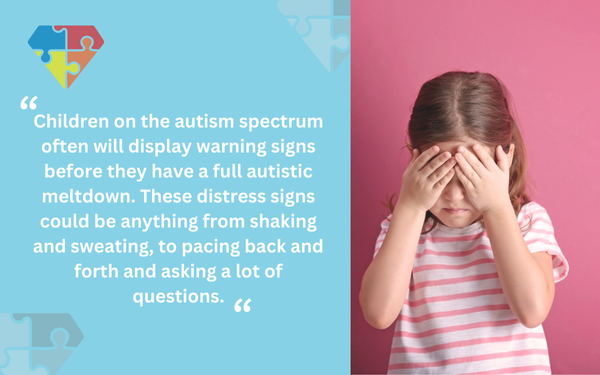
Tantrums are usually goal-directed. A child may cry or shout to get something they want. In contrast, behaviors in autism are often not about achieving a specific goal but are related to sensory overload or difficulty processing the environment.

Triggers

Tantrums are typically triggered by frustration or unmet needs. Autism-related meltdowns may occur due to sensory sensitivity, changes in routine, or overwhelming stimuli.

Social Interaction

Children having tantrums still seek attention and connection with caregivers. Children with autism may show reduced eye contact, limited social engagement, or difficulty responding to others.

Communication

Tantrums often decrease as communication skills improve. In autism, communication challenges may persist, including delayed speech or difficulty understanding language.

Pattern Over Time

Normal tantrums decrease with age and guidance. Autism-related behaviors tend to persist and require structured intervention.

Clinical guidelines emphasize that persistent social and communication difficulties, along with repetitive behaviors, are key indicators of autism rather than typical tantrums (American Psychiatric Association, 2013).

Best Calming Techniques for Kids

  • Managing tantrums effectively requires both immediate and long-term strategies.
  • During a tantrum, staying calm is the most important step. Children often mirror adult emotions, so a calm response helps reduce intensity. Acknowledging feelings, such as saying “I understand you are upset,” helps the child feel heard.
  • Reducing stimulation can also help. Moving the child to a quieter space or removing distractions often lowers emotional overload.
  • Over time, teaching emotional skills becomes essential. Helping children name their feelings gradually replaces physical reactions with verbal expression. Consistent routines also reduce stress and prevent many tantrums before they begin.
  • Positive reinforcement plays a key role. When calm behavior is noticed and appreciated, children are more likely to repeat it.

When to Worry About Tantrums

While tantrums are normal, certain signs may indicate the need for professional evaluation.

Parents should consider consulting a specialist if tantrums are extremely frequent, unusually intense, or continue beyond the expected age. Behaviors such as self-harm, aggression toward others, or lack of social interaction may also require attention.

It is also important to seek help if there are concerns about delayed speech, limited eye contact, or lack of response to social cues. These signs may indicate developmental differences that need early assessment.

Early intervention is strongly recommended when concerns arise, as it significantly improves outcomes (Shonkoff & Phillips, 2000).

Final Thought

Not all challenging behavior is the same. Tantrums are often a normal part of development, while autism involves broader patterns related to communication, social interaction, and sensory processing.

Understanding these differences helps parents respond appropriately instead of reacting with confusion or fear. With the right knowledge and support, children can develop stronger emotional skills and healthier behavior patterns over time.

🔷 REFERENCES (APA 7)

  • American Psychiatric Association. (2013). Diagnostic and statistical manual of mental disorders (5th ed.).
  • Center on the Developing Child. (2011). Building the brain’s “air traffic control” system. Harvard University.
  • Shonkoff, J. P., & Phillips, D. A. (2000). From neurons to neighborhoods: The science of early childhood development. National Academy Press.
  • Bandura, A. (1977). Social learning theory. Prentice Hall.
Posted on Leave a comment

Tantrums in Children

Tantrums in Children: A Practical, Evidence-Based Guide for Parents

Tantrums in children are intense emotional outbursts that can include crying, screaming, hitting, or refusal to cooperate. They are most common in toddlers and preschoolers, but they can also appear in older children under stress. Although tantrums often feel overwhelming, they are usually a normal part of development rather than a sign of bad behavior.

From a psychological perspective, tantrums occur when a child experiences emotions that exceed their current ability to regulate them. In simple terms, the feeling is bigger than the child’s coping skills.

What Exactly Is a Tantrum?

A tantrum is a behavioral expression of emotional overload. It often appears when a child is tired, frustrated, overstimulated, or unable to communicate needs clearly. Children at younger ages do not yet have mature brain systems for self-control, so emotions are expressed physically rather than verbally.

Developmental research shows that self-regulation skills develop gradually with brain maturation and caregiver support (Center on the Developing Child, Harvard University, 2011). This is why tantrums are more frequent in early childhood.Common Symptoms of Tantrums

Tantrums can vary in intensity, but common signs include:

  • Crying or screaming loudly
  • Throwing objects or hitting
  • Kicking or dropping to the floor
  • Refusing to follow instructions
  • Holding breath or stiffening the body

These behaviors may last from a few minutes to longer periods, depending on the situation and the child’s emotional state.

Why Do Tantrums Happen?

Tantrums are not random. They are usually triggered by specific internal or external factors.

Emotional Triggers

Children may feel frustration, anger, or disappointment but lack the ability to express it.

Communication Limitations

Younger children often understand more than they can say, which creates frustration.

Desire for Independence

Children want control but cannot always achieve it, leading to conflict.

Environmental Factors

Fatigue, hunger, noise, or overstimulation increase the likelihood of tantrums.

Psychological theory also explains that children learn behavior through observation and reinforcement. According to Albert Bandura, repeated responses from caregivers can either increase or decrease tantrum behavior.

When Are Tantrums Normal—and When Are They Not?

Most tantrums are developmentally normal, especially between ages 1 and 4. However, certain patterns may indicate the need for professional evaluation.

Consider Consulting a Psychiatrist or Therapist If:

  • Tantrums are extremely frequent or intense
  • Episodes last longer than 20–30 minutes regularly
  • The child harms themselves or others
  • Tantrums continue beyond early childhood without improvement
  • There are concerns about speech delay, social withdrawal, or development

Clinical guidelines suggest that persistent, severe behavioral dysregulation may require assessment for underlying conditions such as anxiety, developmental delays, or behavioral disorders (American Psychiatric Association, 2013).

How to Deal with Tantrums in the Moment

Managing tantrums effectively requires calm and consistent responses.

First, stay calm. Children often mirror adult reactions, so emotional responses can escalate the situation. A calm presence helps reduce intensity.

Second, acknowledge the child’s feelings. Simple statements like “I know you are upset” help the child feel understood, even if the behavior is not acceptable.

Third, set clear boundaries. It is important to allow emotions but limit harmful behavior. For example, “You can be upset, but you cannot hit.”

Finally, give space if needed. Some children calm down faster when not overwhelmed with instructions.

How to Reduce Tantrums Over Time

While tantrums cannot be eliminated completely, they can be reduced with consistent strategies.

Build Emotional Skills

Teach children to identify and name emotions. This gradually replaces physical reactions with verbal expression.

Maintain Routine

Predictable routines reduce stress and emotional overload.

Improve Communication

Encourage simple language or gestures to express needs.

Use Positive Reinforcement

Praise calm behavior and cooperation instead of focusing only on negative actions.

Reduce Triggers

Identify patterns such as hunger or fatigue and address them proactively.

Research shows that consistent, responsive caregiving supports the development of self-regulation and reduces behavioral problems over time (Shonkoff & Phillips, 2000).

The Role of Parents in Emotional Development

Parents play a central role in helping children learn emotional control. Children are not born with self-regulation skills—they develop them through interaction.

By responding calmly, consistently, and empathetically, parents help children build the ability to manage emotions independently over time.

Final Thought

Tantrums are not a sign of failure in parenting—they are a sign of development in progress. When understood correctly, they become opportunities to teach emotional skills rather than problems to eliminate.

With patience, structure, and awareness, tantrums gradually decrease as children develop better ways to express and manage their emotions.

🔷 REFERENCES (APA 7)

  • American Psychiatric Association. (2013). Diagnostic and statistical manual of mental disorders (5th ed.).
  • Center on the Developing Child. (2011). Building the brain’s “air traffic control” system. Harvard University.
  • Shonkoff, J. P., & Phillips, D. A. (2000). From neurons to neighborhoods: The science of early childhood development. National Academy Press.
  • Bandura, A. (1977). Social learning theory. Prentice Hall
Posted on Leave a comment

Teenage Development & Parenting

Teenage Development: Understanding Behavior and Parenting in the Teen Years

Teenage development is a complex and often misunderstood stage of life. Between the ages of 13 and 19, young people experience rapid physical growth, emotional changes, and a strong desire for independence. This period is not only about growing up—it is about forming identity, values, and direction in life.

For many parents, the teenage years feel challenging. Communication becomes difficult, behavior may seem unpredictable, and emotional reactions can appear intense. However, most of these changes are not problems—they are part of normal development.

Why Teenagers Behave Differently

Teenagers begin to think more deeply and question the world around them. According to Jean Piaget, adolescents enter the formal operational stage, where they develop abstract thinking and reasoning abilities.

At the same time, Erik Erikson explains this stage as identity vs. role confusion, where teenagers explore who they are and what they believe.

This combination of advanced thinking and emotional development often leads to questioning, resistance, and strong opinions.

Emotional Changes: Intensity and Sensitivity

Teenagers experience emotions more intensely than younger children. Hormonal changes, social pressure, and identity exploration all contribute to emotional ups and downs.

They may:

  • Become easily irritated
  • Seek independence
  • Value privacy
  • Feel misunderstood

These reactions are part of learning emotional regulation, which develops gradually over time.

Social Influence and Peer Pressure

During the teenage years, peer relationships become highly important. Teenagers often seek acceptance and validation from friends.

According to Albert Bandura, behavior is influenced by observation and social environment. This explains why teenagers may adopt behaviors, language, or attitudes from peers.

Positive peer influence can support growth, while negative influence may lead to risky behavior.

Physical and Cognitive Growth

Teenagers go through major physical changes due to puberty, which can affect self-image and confidence. At the same time, cognitive abilities improve significantly.

They begin to:

  • Think about future goals
  • Analyze situations critically
  • Form personal opinions

However, decision-making is still developing, especially in emotional situations.

Common Challenges in the Teenage Years

Understanding common issues helps parents respond more effectively instead of reacting emotionally.

Identity Confusion

Teenagers may feel unsure about their identity, interests, or future.

What helps: Allow exploration and avoid forcing decisions.

Communication Gap

Teens may withdraw or avoid conversations.

What helps: Create a safe, non-judgmental space for discussion.

Emotional Outbursts

Mood swings and frustration are common.

What helps: Stay calm and avoid escalating conflict.

Academic Pressure

Expectations from school and family can create stress.

What helps: Focus on effort and support rather than pressure.

Risk-Taking Behavior

Some teenagers may engage in risky actions due to curiosity or peer influence.

What helps: Educate about consequences and build decision-making skills.

The Role of Environment

The environment plays a powerful role in shaping teenage behavior. A supportive home, open communication, and positive role models create stability.

A stressful or critical environment may increase:

  • Anxiety
  • Rebellion
  • Low self-esteem

Teenagers need guidance, not control.

What Teenagers Are Capable Of

This stage has high potential. Teenagers can:

  • Develop strong reasoning skills
  • Build identity and personal values
  • Take responsibility
  • Prepare for future careers and goals

When supported properly, this stage leads to independence and maturity.

🔑 Top 10 Parenting Tips for Teenagers

What To Do

  1. Listen More Than You Speak

Teenagers need to feel heard.

  1. Respect Their Independence

Allow freedom within safe limits.

  1. Set Clear Boundaries

Rules provide structure and safety.

  1. Stay Calm During Conflict

Your reaction shapes their response.

  1. Build Trust

Trust strengthens communication.

  1. Be Involved Without Controlling

Stay aware of their life without invading privacy.

  1. Encourage Responsibility

Give tasks and decision-making opportunities.

  1. Support Emotional Expression

Allow them to express feelings without judgment.

  1. Guide, Don’t Force

Offer advice instead of imposing decisions.

  1. Be Patient

Development takes time and consistency.

What To Avoid

  • Constant criticism
  • Over-control
  • Ignoring communication
  • Comparing with others
  • Dismissing emotions

Final Thought

Teenage development is not about losing control—it is about transitioning toward independence. What may seem like difficult behavior is often a sign that your child is growing, thinking, and developing identity.

When parents respond with understanding, patience, and structure, teenagers develop confidence, responsibility, and emotional strength.

🔷 REFERENCES (APA 7)

  • Piaget, J. (1952). The origins of intelligence in children. International Universities Press.
  • Erikson, E. H. (1950). Childhood and society. Norton.
  • Bandura, A. (1977). Social learning theory. Prentice Hall.
  • Steinberg, L. (2014). Age of opportunity: Lessons from the new science of adolescence. Houghton Mifflin Harcourt.
Posted on Leave a comment

Adolescence & Parenting

🧑‍🎓 Adolescent Development: Understanding Teen Behavior and Effective Parenting

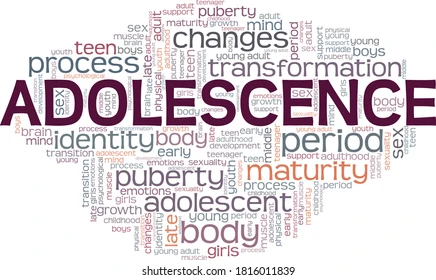
Adolescent development is a transformative stage where children transition into young adults. Adolescence is a broader developmental, biological, and psychological stage that typically spans 10–19 years (or even longer). Adolescence includes puberty and social maturity, often starting earlier than 13 and lasting longer than 19. Between the ages of 12 and 18, teenagers experience rapid physical growth, emotional changes, identity exploration, and increasing independence. This period often feels challenging for both parents and adolescents because behavior becomes more complex and sometimes unpredictable.

However, most teenage behaviors are not problems—they are signs of development. Understanding adolescent development allows parents to guide teenagers with patience, structure, and awareness.

Why Adolescence Feels Difficult

Adolescents begin to question rules, seek independence, and form their own identity. At the same time, they are still developing emotional control and decision-making skills.

According to Jean Piaget, adolescents enter the formal operational stage, where they begin to think abstractly, reason logically, and consider future possibilities.

Meanwhile, Erik Erikson describes this stage as identity vs. role confusion, where teenagers explore who they are and what they want to become.

🧠 Psychological Development

Psychological growth during adolescence is advanced but still developing.

Teenagers begin to:

  • Think abstractly and critically
  • Question beliefs and authority
  • Develop personal values
  • Reflect on identity and future

However, decision-making is still influenced by emotions, which explains impulsive behavior at times.

❤️ Emotional Development

Adolescents experience intense emotions due to hormonal and social changes.

They may:

  • Feel mood swings
  • Seek independence
  • Desire privacy
  • Become sensitive to criticism

Emotional regulation improves over time but requires guidance and support.

💪 Physical Development

Physical development during adolescence includes puberty and rapid growth.

Changes include:

  • Increase in height and weight
  • Hormonal changes
  • Development of secondary sexual characteristics

These changes can affect confidence and self-image.

🤝 Social Development

Social relationships become central during adolescence.

Teenagers:

  • Value peer relationships more
  • Seek acceptance and belonging
  • Experience peer pressure
  • Develop deeper friendships

According to Albert Bandura, behavior is influenced strongly by social observation, especially peers during this stage.

🔷 Key Characteristics of Adolescents

Common characteristics include:

  • Desire for independence
  • Identity exploration
  • Emotional intensity
  • Sensitivity to peer opinion
  • Risk-taking behavior

These are normal developmental patterns, not necessarily negative behavior.

🌍 Environmental Influence

The environment plays a major role in adolescent development.

Positive influences:

  • Supportive parenting
  • Healthy peer groups
  • School environment

Negative influences:

  • Peer pressure
  • Family conflict
  • Lack of guidance

Teenagers are highly sensitive to social and emotional environments.

⚠️ Common Issues and Challenges

  1. Identity Confusion

Teenagers may feel unsure about who they are.

How to deal: Encourage exploration and avoid forcing decisions.

  1. Peer Pressure: Influence from friends may lead to risky behavior.

How to deal: Teach decision-making and build confidence.

  1. Emotional Instability: Mood swings and sensitivity are common.

How to deal: Stay calm, listen actively, and avoid overreaction.

  1. Academic Stress: Pressure to perform can create anxiety.

How to deal: Focus on effort, not just results.

  1. Parent-Teen Conflict: Arguments may increase due to independence needs.

How to deal: Maintain open communication and mutual respect.

🔷 Capacity and Potential at This Age

Adolescence is a stage of high potential.

Teenagers can:

  • Develop strong thinking skills
  • Build identity and values
  • Prepare for future goals
  • Form meaningful relationships

Proper guidance helps them use this potential positively.

🔬 Scientific Perspective on Development

Research shows that brain development continues into early adulthood. The prefrontal cortex, responsible for decision-making and self-control, is still developing during adolescence.

This explains why teenagers may:

  • Take risks
  • Act impulsively
  • Struggle with long-term decisions

Understanding this helps parents respond with guidance rather than punishment.

🔑 Top 10 Parenting Tips for Adolescents

What To Do

  1. Communicate Openly

Create a safe space for discussion.

  1. Respect Independence

Allow decision-making within limits.

  1. Set Clear Boundaries

Rules provide structure and safety.

  1. Be a Role Model

Your behavior influences your teen.

  1. Support Emotional Expression

Encourage sharing of feelings.

  1. Stay Involved

Know your child’s activities and friends.

  1. Encourage Responsibility

Assign tasks and accountability.

  1. Guide, Don’t Control

Offer advice instead of forcing decisions.

  1. Build Trust

Trust strengthens relationships.

  1. Be Patient

Development takes time.

What To Avoid

  • Harsh criticism
  • Over-control
  • Ignoring communication
  • Comparing with others
  • Dismissing emotions

🔷 Final Thoughts

Adolescent development is a complex but essential stage of growth. Teenagers are not simply being difficult—they are learning to become independent individuals.

With understanding, patience, and guidance, parents can support adolescents in building confidence, responsibility, and a strong sense of identity.

🔷 REFERENCES (APA 7)

  • Piaget, J. (1952). The origins of intelligence in children. International Universities Press.
  • Erikson, E. H. (1950). Childhood and society. Norton.
  • Bandura, A. (1977). Social learning theory. Prentice Hall.
  • Steinberg, L. (2014). Age of opportunity: Lessons from the new science of adolescence. Houghton Mifflin Harcourt.
Posted on Leave a comment

Middle Childhood Development

👦 Middle Childhood Development: A Complete Guide for Parents (Ages 7–11)

Middle childhood development, typically covering ages 7 to 11, is a stage where children become more independent, logical, and socially aware. During this period, children move from early imagination-driven thinking to more structured learning, problem-solving, and real-world understanding.

This stage is often considered more stable than early childhood, but it introduces new challenges such as academic pressure, peer influence, emotional regulation, and identity formation. Understanding middle childhood development helps parents guide children with clarity and confidence.

What Changes During Middle Childhood?

Children at this stage begin to think more logically and understand cause-and-effect relationships. According to Jean Piaget, they enter the concrete operational stage, where thinking becomes more organized, realistic, and rule-based.

At the same time, Erik Erikson describes this stage as industry vs. inferiority, where children strive to achieve competence and gain recognition for their abilities.

🧠 Psychological Development

Psychological development becomes more structured and goal-oriented.

Children begin to:

  • Think logically about real situations
  • Understand rules and fairness
  • Improve memory and concentration
  • Develop problem-solving skills

However, their thinking is still limited to concrete ideas and may not fully grasp abstract concepts.

❤️ Emotional Development

Emotionally, children become more aware of themselves and others.

They start to:

  • Control emotions better than before
  • Feel pride, guilt, and embarrassment
  • Seek approval from parents and teachers
  • Develop self-esteem

Emotional sensitivity is still present, especially in response to criticism or comparison.

💪 Physical Development

Physical growth during middle childhood is steady and consistent.

Children typically:

  • Improve strength and coordination
  • Develop fine motor skills further
  • Become more active in sports and physical play

This stage supports both physical health and confidence.

🤝 Social Development

Social relationships become increasingly important.

Children begin to:

  • Form strong friendships
  • Understand teamwork and cooperation
  • Compare themselves with peers
  • Follow social norms and expectations

According to Albert Bandura, children continue to learn behavior by observing peers, teachers, and family members.

🔷 Key Characteristics of Middle Childhood

Children in this stage often show:

  • Increased independence
  • Strong interest in school and activities
  • Awareness of rules and fairness
  • Desire for achievement
  • Sensitivity to success and failure

These characteristics reflect normal developmental progress.

🌍 Environmental Influence

The environment plays a critical role in shaping behavior and development.

Supportive environments include:

  • Encouraging teachers
  • Positive family relationships
  • Safe learning spaces

Negative environments may lead to:

  • Low self-esteem
  • Anxiety or stress
  • Behavioral issues

Both family and school settings highly influence children at this stage.

⚠️ Common Issues and Challenges

  1. Academic Pressure: Children may feel stress related to school performance.

How to deal: Focus on effort rather than results and avoid excessive pressure.

  1. Low Self-Esteem: Comparison with peers may affect confidence.

How to deal: Encourage strengths and avoid negative comparisons.

  1. Peer Pressure: Children may be influenced by friends’ behavior.

How to deal: Teach decision-making and open communication.

  1. Emotional Sensitivity: Children may react strongly to criticism or failure.

How to deal: Provide reassurance and constructive feedback.

  1. Behavioral Issues: Some children may resist rules or show defiance.

How to deal: Maintain consistency and clear expectations.

🔷 Capacity and Potential at This Age

Middle childhood is a powerful stage for learning and skill development.

Children can:

  • Develop strong academic abilities
  • Build social and teamwork skills
  • Form habits and routines
  • Understand responsibility

This stage shapes confidence and long-term success.

🔬 Scientific Perspective on Development

Research from the Center on the Developing Child (Harvard University) highlights that brain development continues to strengthen through experience and practice. Skills such as attention, memory, and self-control improve significantly during this stage.

This means structured learning, repetition, and support play a key role in development.

🔑 Top 10 Tips for Parents (Do’s and Don’ts)

What To Do

  1. Encourage Learning (Support curiosity and academic growth.)
  2. Build Confidence (Focus on effort and improvement.)
  3. Promote Social Skills (Encourage teamwork and friendships.)
  4. Maintain Routine (Consistency supports stability.)
  5. Communicate Openly (Listen to your child’s thoughts and concerns.)
  6. Set Clear Expectations (Children need structure and guidance.)
  7. Support Emotional Growth (Teach how to manage feelings.)
  8. Encourage Responsibility (Give small tasks and responsibilities.)
  9. Be a Role Model (Children observe and imitate behavior.)
  10. Stay Involved (Engage in school and daily activities.)

What To Avoid

  • Excessive pressure
  • Harsh criticism
  • Comparing children
  • Ignoring emotional needs
  • Inconsistent rules

🔷 Final Thoughts

Middle childhood development is a stage of growth, learning, and self-discovery. Children begin to understand themselves, their abilities, and their place in the world.

With the right support, they develop confidence, skills, and emotional strength that prepare them for adolescence.

🔷 REFERENCES (APA 7)

  • Piaget, J. (1952). The origins of intelligence in children. International Universities Press.
  • Erikson, E. H. (1950). Childhood and society. Norton.
  • Bandura, A. (1977). Social learning theory. Prentice Hall.
  • Center on the Developing Child. (2011). Building the brain’s “air traffic control” system. Harvard University.

👦 Middle Childhood Development: A Complete Guide for Parents (Ages 7–11)

Middle childhood development, typically covering ages 7 to 11, is a stage where children become more independent, logical, and socially aware. During this period, children move from early imagination-driven thinking to more structured learning, problem-solving, and real-world understanding.

This stage is often considered more stable than early childhood, but it introduces new challenges such as academic pressure, peer influence, emotional regulation, and identity formation. Understanding middle childhood development helps parents guide children with clarity and confidence.

What Changes During Middle Childhood?

Children at this stage begin to think more logically and understand cause-and-effect relationships. According to Jean Piaget, they enter the concrete operational stage, where thinking becomes more organized, realistic, and rule-based.

At the same time, Erik Erikson describes this stage as industry vs. inferiority, where children strive to achieve competence and gain recognition for their abilities.

🧠 Psychological Development

Psychological development becomes more structured and goal-oriented.

Children begin to:

  • Think logically about real situations
  • Understand rules and fairness
  • Improve memory and concentration
  • Develop problem-solving skills

However, their thinking is still limited to concrete ideas and may not fully grasp abstract concepts.

❤️ Emotional Development

Emotionally, children become more aware of themselves and others.

They start to:

  • Control emotions better than before
  • Feel pride, guilt, and embarrassment
  • Seek approval from parents and teachers
  • Develop self-esteem

Emotional sensitivity is still present, especially in response to criticism or comparison.

💪 Physical Development

Physical growth during middle childhood is steady and consistent.

Children typically:

  • Improve strength and coordination
  • Develop fine motor skills further
  • Become more active in sports and physical play

This stage supports both physical health and confidence.

🤝 Social Development

Social relationships become increasingly important.

Children begin to:

  • Form strong friendships
  • Understand teamwork and cooperation
  • Compare themselves with peers
  • Follow social norms and expectations

According to Albert Bandura, children continue to learn behavior by observing peers, teachers, and family members.

🔷 Key Characteristics of Middle Childhood

Children in this stage often show:

  • Increased independence
  • Strong interest in school and activities
  • Awareness of rules and fairness
  • Desire for achievement
  • Sensitivity to success and failure

These characteristics reflect normal developmental progress.

🌍 Environmental Influence

The environment plays a critical role in shaping behavior and development.

Supportive environments include:

  • Encouraging teachers
  • Positive family relationships
  • Safe learning spaces

Negative environments may lead to:

  • Low self-esteem
  • Anxiety or stress
  • Behavioral issues

Both family and school settings highly influence children at this stage.

⚠️ Common Issues and Challenges

  1. Academic Pressure: Children may feel stress related to school performance.

How to deal: Focus on effort rather than results and avoid excessive pressure.

  1. Low Self-Esteem: Comparison with peers may affect confidence.

How to deal: Encourage strengths and avoid negative comparisons.

  1. Peer Pressure: Children may be influenced by friends’ behavior.

How to deal: Teach decision-making and open communication.

  1. Emotional Sensitivity: Children may react strongly to criticism or failure.

How to deal: Provide reassurance and constructive feedback.

  1. Behavioral Issues: Some children may resist rules or show defiance.

How to deal: Maintain consistency and clear expectations.

🔷 Capacity and Potential at This Age

Middle childhood is a powerful stage for learning and skill development.

Children can:

  • Develop strong academic abilities
  • Build social and teamwork skills
  • Form habits and routines
  • Understand responsibility

This stage shapes confidence and long-term success.

🔬 Scientific Perspective on Development

Research from the Center on the Developing Child (Harvard University) highlights that brain development continues to strengthen through experience and practice. Skills such as attention, memory, and self-control improve significantly during this stage.

This means structured learning, repetition, and support play a key role in development.

🔑 Top 10 Tips for Parents (Do’s and Don’ts)

What To Do

  1. Encourage Learning (Support curiosity and academic growth.)
  2. Build Confidence (Focus on effort and improvement.)
  3. Promote Social Skills (Encourage teamwork and friendships.)
  4. Maintain Routine (Consistency supports stability.)
  5. Communicate Openly (Listen to your child’s thoughts and concerns.)
  6. Set Clear Expectations (Children need structure and guidance.)
  7. Support Emotional Growth (Teach how to manage feelings.)
  8. Encourage Responsibility (Give small tasks and responsibilities.)
  9. Be a Role Model (Children observe and imitate behavior.)
  10. Stay Involved (Engage in school and daily activities.)

What To Avoid

  • Excessive pressure
  • Harsh criticism
  • Comparing children
  • Ignoring emotional needs
  • Inconsistent rules

🔷 Final Thoughts

Middle childhood development is a stage of growth, learning, and self-discovery. Children begin to understand themselves, their abilities, and their place in the world.

With the right support, they develop confidence, skills, and emotional strength that prepare them for adolescence.

🔷 REFERENCES (APA 7)

  • Piaget, J. (1952). The origins of intelligence in children. International Universities Press.
  • Erikson, E. H. (1950). Childhood and society. Norton.
  • Bandura, A. (1977). Social learning theory. Prentice Hall.
  • Center on the Developing Child. (2011). Building the brain’s “air traffic control” system. Harvard University.
Posted on Leave a comment

Early Childhood Development

Early Childhood Development: A Complete Guide for Parents (Ages 4–7)

Early childhood development, typically covering ages 4 to 7, is a crucial stage where children begin to develop independence, social relationships, and structured thinking. During this period, children move beyond basic exploration and start understanding rules, emotions, and the world around them in more organized ways.

This stage often feels easier than toddlerhood, but it brings new challenges such as emotional sensitivity, social comparison, and behavioral adjustments. Understanding early childhood development helps parents guide children with confidence rather than confusion.

What Happens During Early Childhood Development?

Children in this stage begin to think, feel, and behave differently than before. According to Jean Piaget, they enter the preoperational stage, where imagination grows, but logical thinking is still developing.

At the same time, Erik Erikson describes this stage as initiative vs. guilt, where children begin to take initiative in activities, decisions, and social interactions.

🧠 Psychological Development

Psychological growth during early childhood becomes more visible. Children begin to:

  • Use imagination and pretend play
  • Ask frequent “why” questions
  • Develop memory and attention
  • Begin problem-solving

However, their thinking is still limited by:

  • Egocentrism (seeing things from their own perspective)
  • Difficulty understanding complex logic

This explains why children may misunderstand situations or react emotionally.

❤️ Emotional Development

Emotionally, children become more aware of their feelings and those of others. They start to:

  • Express emotions more clearly
  • Seek approval from adults
  • Develop empathy
  • Feel guilt or pride

However, emotional control is still developing, which can lead to mood swings or sensitivity.

💪 Physical Development

Physical growth becomes more stable compared to toddler years.

Children typically:

  • Improve coordination and balance
  • Develop fine motor skills (writing, drawing)
  • Gain strength and energy

They become more active and enjoy structured physical activities.

🤝 Social Development

Social development is one of the most important aspects of this stage.

Children begin to:

  • Form friendships
  • Understand sharing and cooperation
  • Follow basic rules
  • Learn social behavior

According to Albert Bandura, children learn social behavior by observing others, especially parents and peers.

🔷 Key Characteristics of Early Childhood

Children in this stage commonly show:

  • Curiosity and questioning
  • Imaginative thinking
  • Desire for independence
  • Sensitivity to praise and criticism
  • Increasing social interaction

These are signs of normal development, not problems.

🌍 Environmental Influence

The environment plays a major role in shaping development at this stage.

A supportive environment includes:

  • Positive communication
  • Safe and structured routines
  • Opportunities for learning and play

A negative or stressful environment may lead to:

  • Anxiety
  • Behavioral issues
  • Low confidence

⚠️ Common Issues and Challenges

  1. Emotional Sensitivity: Children may become upset easily or seek constant approval.

Solution: Provide reassurance and encourage emotional expression.

  1. Fear and Anxiety: Fear of darkness, strangers, or school is common.

Solution: Avoid dismissing fears; instead, listen and reassure calmly.

  1. Attention and Focus Problems: Children may struggle to concentrate for long periods.

Solution: Use short, engaging activities and avoid pressure.

  1. Social Conflicts: Arguments with peers may occur as social skills develop.

Solution: Teach sharing, communication, and problem-solving.

  1. Behavioral Resistance: Children may refuse instructions or test limits.

Solution: Set clear boundaries and remain consistent.

🔷 Capacity and Potential at This Age

Early childhood is a stage of high learning capacity. Children can:

  • Learn language rapidly
  • Develop basic academic skills
  • Build social relationships
  • Form habits and behavior patterns

This is why early guidance has a strong long-term impact.

🔬 Scientific Perspective on Growth

Research from the Center on the Developing Child (Harvard University) shows that early experiences shape brain architecture. Neural connections strengthen through interaction, repetition, and environment.

This means:
👉 What children experience now directly affects future learning and behavior.

🔑 Top 10 Tips for Parents (Do’s and Don’ts)

What To Do

  1. Encourage Questions: Answer “why” questions patiently to support curiosity.
  2. Build Routine: Consistency creates emotional security.
  3. Support Social Interaction: Encourage play and friendships.
  4. Praise Effort, Not Just Results: This builds confidence and motivation.
  5. Model Good Behavior: Children learn by observing adults.
  6. Teach Emotional Skills: Help children name and manage feelings.
  7. Provide Learning Opportunities: Reading, drawing, and play support development.
  8. Stay Calm During Conflicts: Your reaction teaches emotional control.
  9. Encourage Independence: Allow children to make simple decisions.
  10. Create a Safe Environment: A stable environment supports growth.

What To Avoid

  • Harsh punishment
  • Constant criticism
  • Ignoring emotions
  • Comparing children
  • Unrealistic expectations

🔷 Final Thoughts

Early childhood development is a powerful stage where children begin shaping their personality, behavior, and thinking patterns. With the right support, children develop confidence, emotional strength, and social skills that last a lifetime.

Understanding this stage allows parents to guide children effectively instead of reacting to behavior.

🔷 REFERENCES (APA 7)

  • Piaget, J. (1952). The origins of intelligence in children. International Universities Press.
  • Erikson, E. H. (1950). Childhood and society. Norton.
  • Bandura, A. (1977). Social learning theory. Prentice Hall.
  • Center on the Developing Child. (2011). Building the brain’s “air traffic control” system. Harvard University.
Posted on Leave a comment

Toddler Development

IMG-20251103-WA0002

Toddler Development: Top 10 Tips with Psychological Insights for Parents

Toddler development is one of the most dynamic and challenging stages of childhood. Between the ages of one and three, children begin to explore the world, assert independence, and express strong emotions—often without the language to explain them.

This stage is not just about growth; it is about rapid changes in thinking, behavior, and emotional control. Understanding toddler development helps parents respond with patience instead of frustration.

Why Toddler Behavior Feels Challenging

Many parents struggle during this stage because toddlers often:

  • Say “no” frequently
  • Have sudden tantrums
  • Resist instructions

However, these behaviors are not signs of disobedience. They are part of normal development.

According to Jean Piaget, toddlers are in the early sensorimotor to preoperational transition, where they begin to form ideas but still think in simple, self-centered ways. This explains why they struggle with logic and emotional control.

Emotional Development: Big Feelings in Small Bodies

Toddlers experience strong emotions but lack the ability to manage them. A small problem—like a toy not working—can lead to a big reaction.

Erik Erikson describes this stage as Autonomy vs. Shame and Doubt, where children try to develop independence.

When supported properly, toddlers learn:

  • Confidence
  • Self-control
  • Decision-making

If overly restricted, they may develop doubt or insecurity.

Learning Through Observation

Toddlers learn less from instruction and more from what they see.

According to Albert Bandura, children imitate behavior from their environment. This means your actions matter more than your words.

Understanding Toddler Thinking and Behavior

At this stage, children are still developing basic thinking skills. According to Jean Piaget, toddlers are transitioning from the sensorimotor stage to early preoperational thinking. This means they are learning to understand the world, but they still think in simple and self-centered ways.

Emotionally, toddlers are in the stage described by Erik Erikson as autonomy vs. shame and doubt. They want independence but still need support. This combination often leads to frustration, resistance, and emotional outbursts.

🔷 Normal Characteristics of Toddlers

Understanding what is normal helps reduce unnecessary worry.

Strong Desire for Independence

Toddlers want to do things on their own, even when they are not fully capable.

Frequent Use of “No”

Saying “no” is a way of asserting control and identity.

Short Attention Span

They quickly move from one activity to another.

Emotional Intensity

Small situations can trigger big reactions.

Curiosity and Exploration

Toddlers learn by touching, moving, and experimenting.

Imitation of Behavior

They copy what they see, as explained by Albert Bandura.

🔷 Common Issues in Toddler Development

  1. Tantrums and Emotional Outbursts

Tantrums are one of the most common challenges. They happen because toddlers cannot yet manage strong emotions.

How to Deal:

  • Stay calm and avoid reacting emotionally
  • Acknowledge feelings (“I know you’re upset”)
  • Set clear but gentle limits
  1. Refusal to Listen

Toddlers often ignore instructions or resist authority.

Why It Happens:

They are testing independence and boundaries.

How to Deal:

  • Use simple, clear instructions
  • Offer limited choices
  • Be consistent with rules
  1. Aggressive Behavior (Hitting, Biting)

This behavior is usually linked to frustration or inability to express feelings.

How to Deal:

  • Teach alternative actions (“Use words, not hands”)
  • Model calm behavior
  • Avoid harsh punishment
  1. Separation Anxiety

Toddlers may become distressed when separated from parents.

How to Deal:

  • Keep goodbyes short and calm
  • Build predictable routines
  • Reassure the child consistently
  1. Sleep Problems

Irregular sleep patterns are common during this stage.

How to Deal:

  • Maintain a consistent bedtime routine
  • Create a calm sleeping environment
  • Avoid overstimulation before sleep
  1. Limited Communication Skills

Toddlers understand more than they can express, which leads to frustration.

How to Deal:

  • Encourage simple words
  • Use gestures and visuals
  • Be patient and responsive

🔷 Practical Parenting Strategies That Work

Instead of reacting to behavior, focus on guiding development.

Stay Consistent

Consistency helps toddlers feel secure and understand expectations.

Model Behavior

Children learn by observing. Your reactions teach them how to behave.

Encourage Emotional Expression

Help toddlers name their feelings. This builds long-term emotional control.

Create a Safe Environment

Allow exploration without constant restriction.

Use Positive Reinforcement

Praise good behavior to encourage repetition.

🔷 The Role of Environment

A toddler’s environment shapes behavior and learning. A calm, structured, and responsive environment supports emotional stability and development.

Frequent interaction, play, and communication strengthen both cognitive and emotional growth.

Common Parenting Mistakes to Avoid

  • Expecting mature behavior too early
  • Being inconsistent with rules
  • Ignoring emotional needs
  • Using punishment instead of guidance

Understanding development helps parents avoid these mistakes.

Top 10 Practical Tips for Toddler Development

  1. Stay Calm During Tantrums

Tantrums are not manipulation—they are emotional overload. When parents stay calm, children gradually learn emotional regulation.

  1. Give Limited Choices

Instead of saying “Do this,” offer choices:
“Do you want the red shirt or blue one?”

This supports independence while maintaining control.

  1. Use Simple Language

Toddlers understand simple and clear instructions better than long explanations.

  1. Be Consistent with Rules

Consistency helps toddlers feel secure. When rules change frequently, children become confused.

  1. Encourage Exploration Safely

Toddlers learn by touching, moving, and exploring. A safe environment allows learning without constant restriction.

  1. Model the Behavior You Want

If you want calm behavior, demonstrate calmness. Children copy what they see more than what they hear.

  1. Teach Emotional Words

Help toddlers express feelings using words like:

  • Happy
  • Angry
  • Sad

This reduces frustration over time.

  1. Maintain Daily Routines

Regular routines for meals, sleep, and play provide stability and reduce behavioral issues.

  1. Use Positive Reinforcement

Praise good behavior instead of focusing only on mistakes. This encourages repetition of positive actions.

  1. Be Patient with Development

Every child develops at a different pace. Avoid comparisons and focus on progress.

The Role of Environment in Toddler Development

A toddler’s environment directly influences behavior and learning. A supportive and calm environment promotes emotional stability, while a stressful environment may lead to anxiety or aggression.

Simple actions such as spending quality time, maintaining eye contact, and engaging in play strengthen development.

Common Parenting Mistakes to Avoid

Parents often unintentionally create challenges by:

  • Expecting adult-like behavior
  • Using harsh punishment
  • Ignoring emotional needs
  • Being inconsistent

Understanding development helps prevent these mistakes.

Final Thoughts

Toddler development is a phase of rapid growth, emotional intensity, and learning. What may seem like difficult behavior is often a sign that the child is developing independence and understanding the world.

When parents combine patience with knowledge, they can guide toddlers effectively and build a strong foundation for future development.

References

  • Piaget, J. (1952). The Origins of Intelligence in Children. International Universities Press.
  • Erikson, E. H. (1950). Childhood and Society. Norton.
  • Bandura, A. (1977). Social Learning Theory. Prentice Hall.
  • Center on the Developing Child. (2011). Building the Brain’s “Air Traffic Control” System. Harvard University.
Posted on Leave a comment

6 Common Newborn Challenges and How to Overcome Them

6 Most Common Challenges of Newborns and How to Overcome Them

It is 3 a.m.

The baby is crying. You are exhausted. You have already tried feeding, holding, and rocking—but nothing seems to work.

In that moment, every new parent asks the same question:
“Am I doing this right?”

The truth is, the early days of a newborn’s life are not just about joy. They are also about adjustment—for both the baby and the parents.

Newborns are learning how to live outside the womb, and parents are learning how to respond.

Understanding common challenges can reduce stress and help you respond with confidence.

Why the Newborn Phase Feels Difficult

A newborn is not just small—they are developing rapidly.

Their sleep is irregular, their communication is limited to crying, and their body systems are still adjusting.

According to the World Health Organization, the first months of life are critical for physical and neurological development, requiring responsive caregiving (WHO, 2020).

This is why challenges are normal, not a sign of poor parenting.

  1. Excessive Crying

Crying is the only way a newborn communicates.

Why It Happens

  • Hunger
  • Discomfort (wet diaper, temperature)
  • Need for closeness
  • Gas or colic

How to Overcome It

Respond calmly and check basic needs first. Gentle rocking, skin-to-skin contact, and soothing sounds often help.

Precautions

Never shake a baby. If you feel overwhelmed, place the baby safely in a crib and take a short break.

  1. Sleep Problems

Newborns do not follow a fixed sleep schedule.

Why It Happens

Their internal body clock is not yet developed.

How to Overcome It

Create a simple routine. Keep nights calm and dim, and days slightly active.

Precautions

Always place the baby on their back to sleep to reduce the risk of sudden infant complications.

  1. Feeding Difficulties

Feeding can be challenging for both baby and parent.

Why It Happens

  • Difficulty latching (breastfeeding)
  • Irregular feeding patterns
  • Digestive adjustment

How to Overcome It

Feed on demand and seek guidance from a healthcare professional if needed.

Precautions

Ensure proper positioning during feeding to avoid choking or discomfort.

  1. Gas and Colic

Some babies cry intensely due to gas discomfort.

Why It Happens

The digestive system is still immature.

How to Overcome It

Burp the baby after feeding. Gentle tummy massage and proper feeding posture can help.

Precautions

Avoid overfeeding and monitor signs of severe discomfort.

  1. Skin Issues

Newborn skin is sensitive and prone to conditions like rashes.

Why It Happens

The skin is still adapting to the external environment.

How to Overcome It

Keep the skin clean and dry. Use gentle, baby-safe products.

Precautions

Avoid harsh chemicals or excessive bathing.

  1. Parental Stress and Exhaustion

One of the biggest challenges is not just the baby—it is the emotional state of parents.

Why It Happens

Sleep deprivation, responsibility, and constant care demands.

How to Overcome It

Share responsibilities and rest whenever possible.

Precautions

Monitor emotional well-being. Seek support if stress becomes overwhelming.

Research shows that parental stress can affect caregiving quality, making self-care essential (Abidin, 1992).

How to Recognize When Something Is Not Normal

While most challenges are temporary, certain signs require attention.

Consult a doctor if:

  • Crying is excessive and unusual
  • Feeding is consistently poor
  • There is fever or unusual physical symptoms
  • The baby is not gaining weight
  • There is lack of response to sound or touch

Early medical guidance ensures safety and proper development.

Practical Daily Care Tips

Keep routines simple and consistent.
Respond to your baby’s cues instead of following strict schedules.
Maintain hygiene and a safe environment.
Stay patient—adjustment takes time.

Top 10 Tips for New Parents

  1. Stay calm during crying episodes
  2. Follow feeding cues
  3. Prioritize safe sleep practices
  4. Maintain hygiene
  5. Take short rest breaks
  6. Ask for help when needed
  7. Avoid comparing your baby with others
  8. Observe patterns in behavior
  9. Trust your instincts
  10. Seek professional advice when unsure

Final Thought

The newborn phase is not easy—but it is temporary.

Every sleepless night, every moment of doubt, and every small success is part of a learning process.

You are not expected to know everything.

You are expected to care—and that is already enough.

REFERENCES (APA 7)

  • World Health Organization. (2020). Newborn health guidelines.
  • Abidin, R. R. (1992). The determinants of parenting behavior. Journal of Clinical Child Psychology.
Posted on Leave a comment

Best Ways to Remove Stubborn Stains from Kids’ Clothes

                                                How to Remove Tough Stains from Kids’ Clothes (Fabric-Wise Complete Guide)

Introduction

Kids’ clothes are magnets for stains. From food spills and mud to ink, paint, and grass, stains are an unavoidable part of childhood. The real challenge for parents is removing stubborn stains without damaging delicate fabrics. This guide explains how to remove the most common and toughest stains from kids’ clothes, based on fabric type, using safe and effective methods. Whether your child wears cotton, denim, wool, silk, or synthetic fabrics, this article will help you save clothes, money, and time.

Most Common Tough Stains on Kids’ Clothes

Before treating a stain, it is important to identify it.

  • Food stains (chocolate, curry, ketchup, fruits)
  • Milk and baby food stains
  • Grass and mud stains
  • Ink, markers, and pen stains
  • Paint and craft stains
  • Sweat and body oil stains
  • Urine stains (especially toddler clothes)

Golden Rules Before Removing Any Stain

  • Always treat stains as soon as possible
  • Never rub aggressively (it spreads the stain)
  • Test stain removers on a hidden area first
  • Use cold water unless stated otherwise
  • Check fabric care labels before washing

Fabric-Wise Stain Removal Guide

  1. Cotton Fabric (Most Common for Kids)

Common stains: Food, sweat, mud, ink

Best solution:

  • Mix baking soda and water into a paste
  • Apply on stain and leave for 30 minutes
  • Wash with mild detergent in warm water

For greasy stains: Use liquid dish soap directly on the stain before washing.

  1. Denim (Jeans & Jackets)

Common stains: Grass, oil, ink

Best solution:

  • Soak in cold water with white vinegar (30 minutes)
  • Scrub gently with a soft brush
  • Wash inside-out

Ink stains: Use rubbing alcohol on cotton and dab gently.

  1. Polyester & Synthetic Fabrics

Common stains: Juice, food color, sweat

Best solution:

  • Pre-treat with liquid detergent
  • Add baking soda for odor removal
  • Wash in warm water (not hot)
  1. Wool Fabric (Winter Wear)

Common stains: Food, milk, dirt

Best solution:

  • Blot with cold water
  • Use wool-safe detergent
  • Hand wash only

Avoid: Hot water or wringing — it shrinks wool.

  1. Silk & Delicate Fabrics

Common stains: Juice, oil

Best solution:

  • Dab gently with cold water
  • Use mild baby shampoo
  • Air dry flat

Tip: For expensive silk, dry cleaning is safest.

Natural Home Remedies for Kids’ Stains

Stain Type

Best Natural Solution

Fruit stains

Lemon juice + sunlight

Grease

Cornstarch or baking soda

Grass

White vinegar

Milk

Cold water rinse

Odor

Baking soda soak

What NOT to Do

  • Do not use bleach on colored kids’ clothes
  • Do not dry clothes before stain removal
  • Do not mix chemicals
  • Do not use hot water on protein stains (milk, blood)

How to Prevent Stains on Kids’ Clothes

  • Use bibs during meals
  • Change clothes immediately after play
  • Wash stained clothes separately
  • Choose stain-resistant fabrics for daily wear

Final Thoughts

Kids will always get messy — and that’s perfectly okay. With the right stain removal techniques for each fabric, you can keep your child’s clothes clean, fresh, and long-lasting.

Which stain do you struggle with the most? Share in the comments — your experience can help other parents!

بچوں کے کپڑوں سے ضدی داغ کیسے صاف کریں (مکمل رہنمائی)

تعارف

بچوں کے کپڑوں پر داغ لگنا ایک عام بات ہے۔ کھانے، مٹی، گھاس، سیاہی اور پینٹ کے داغ والدین کے لیے ایک بڑا مسئلہ بن جاتے ہیں۔
یہ مضمون آپ کو سکھائے گا کہ کپڑے کی قسم کے مطابق بچوں کے کپڑوں سے ضدی داغ محفوظ طریقے سے کیسے صاف کیے جائیں۔

بچوں کے کپڑوں پر لگنے والے عام داغ

  • کھانے کے داغ (چاکلیٹ، سالن، کیچپ)
  • دودھ اور بیبی فوڈ
  • گھاس اور مٹی
  • سیاہی اور مارکر
  • پینٹ اور آرٹ کرافٹ
  • پسینہ اور بدبو
  • پیشاب کے داغ

داغ صاف کرنے سے پہلے ضروری اصول

  • داغ فوراً صاف کریں
  • کپڑے کو زور سے نہ رگڑیں
  • پہلے کسی چھپی جگہ پر آزمائیں
  • زیادہ تر داغوں کے لیے ٹھنڈا پانی استعمال کریں
  • لیبل کی ہدایات ضرور پڑھیں

کپڑے کے مطابق داغ صاف کرنے کے طریقے

  1. کاٹن (Cotton)

عام داغ: کھانا، پسینہ، مٹی

طریقہ:

  • بیکنگ سوڈا اور پانی کا پیسٹ بنائیں
  • داغ پر لگائیں (30 منٹ)
  • ہلکے ڈیٹرجنٹ سے دھو لیں
  1. ڈینم (Denim)

عام داغ: گھاس، تیل، سیاہی

طریقہ:

  • سفید سرکہ اور ٹھنڈے پانی میں بھگو دیں
  • نرم برش سے ہلکا رگڑیں
  • الٹا کر کے دھوئیں
  1. پالئیسٹر / مصنوعی کپڑے

عام داغ: جوس، پسینہ

طریقہ:

  • مائع ڈیٹرجنٹ سے پری ٹریٹمنٹ
  • بیکنگ سوڈا بدبو کے لیے
  • نیم گرم پانی میں دھوئیں
  1. اون (Wool)

عام داغ: دودھ، کھانا

طریقہ:

  • ٹھنڈے پانی سے آہستہ صاف کریں
  • اون کے لیے مخصوص صابن استعمال کریں
  • ہاتھ سے دھوئیں
  1. ریشم (Silk)

عام داغ: جوس، تیل

طریقہ:

  • ٹھنڈے پانی سے آہستہ دبا کر صاف کریں
  • بیبی شیمپو استعمال کریں
  • سیدھا سکھائیں

گھریلو قدرتی ٹوٹکے

داغ

حل

پھل

لیموں + دھوپ

تیل

بیکنگ سوڈا

گھاس

سفید سرکہ

دودھ

ٹھنڈا پانی

بدبو

بیکنگ سوڈا

یہ غلطیاں نہ کریں

  • رنگین کپڑوں پر بلیچ نہ لگائیں
  • داغ خشک ہونے سے پہلے استری نہ کریں
  • کیمیکل مکس نہ کریں
  • گرم پانی استعمال نہ کریں

داغ لگنے سے بچاؤ

  • کھانے کے وقت بیب پہنائیں
  • کھیل کے بعد کپڑے بدلیں
  • روزمرہ کے لیے آسان دھلنے والے کپڑے منتخب کریں

بچوں کا گندا ہونا فطری ہے، مگر صحیح طریقے سے داغ صاف کر کے کپڑوں کی عمر بڑھائی جا سکتی ہے۔

آپ کو سب سے مشکل کون سا داغ لگتا ہے؟ کمنٹس میں ضرور بتائیں!