
Parents vs. Teenagers: Handling Guide
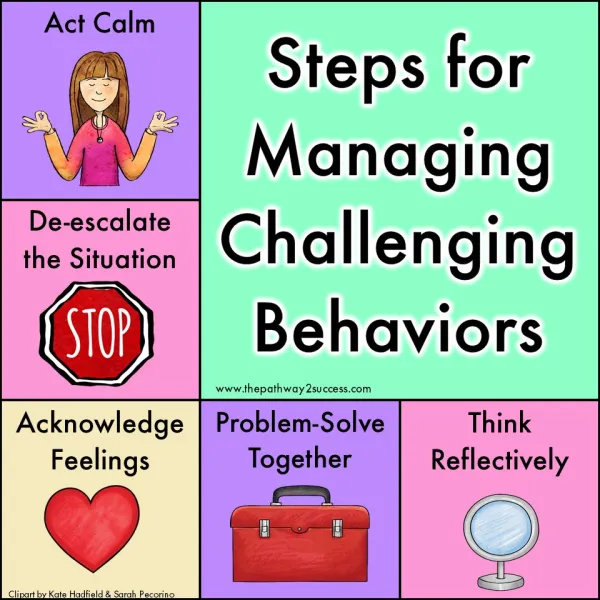
Handling Teenagers: Understanding the Most Misunderstood Stage
A teenager closes the door and says, “You don’t understand me.”
A simple conversation turns into an argument. Advice is rejected. Silence increases.
Parents often feel confused: what changed?
The answer is not that your child has become difficult. The reality is that your child is going through one of the most intense developmental phases of life.
Handling teenagers is not about control. It is about understanding change and adjusting your approach.
What Happens During Teenage Years?
Adolescence is a period of rapid physical, emotional, and psychological transformation.
Teenagers experience strong emotions, a desire for independence, identity exploration, and increased peer influence.
According to Erik Erikson, this stage is defined by identity formation, where individuals try to understand who they are (Erikson, 1968).
This internal struggle often appears externally as behavioral change.
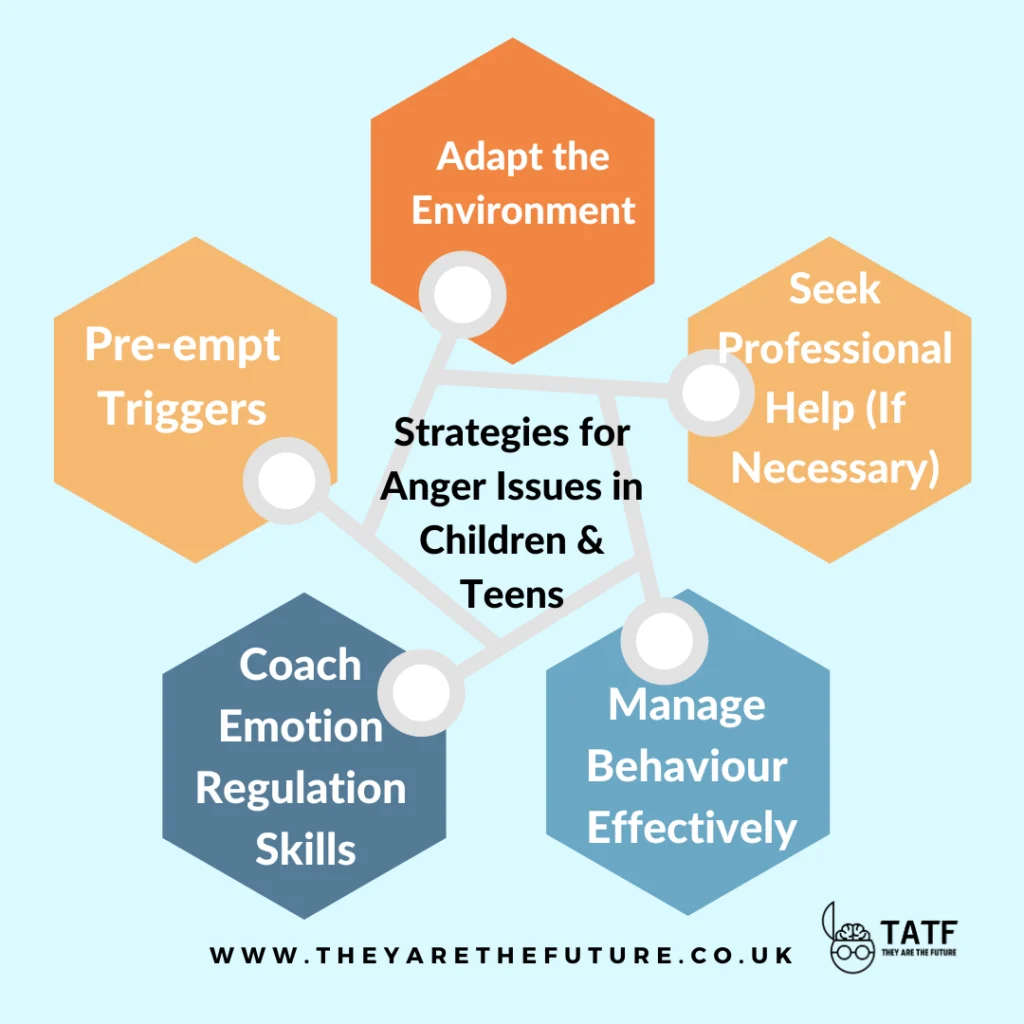
Why Teenagers Behave Differently
Teen behavior is shaped by development, not just attitude.
The emotional brain becomes highly active, while decision-making skills are still developing. This creates impulsive reactions.
Teenagers seek independence and begin questioning authority. Peer relationships become central, and emotions become more intense.
Understanding these factors reduces conflict and improves communication.
Changes in Girls’ Behavior During Teenage Years
Girls often experience emotional and social changes more visibly.
Common Behavioral Changes
- Increased emotional sensitivity
- Mood swings
- Strong focus on friendships and social acceptance
- Self-image and body awareness concerns
- Withdrawal or overthinking
Hormonal changes combined with social expectations can increase emotional intensity.
Research shows that adolescent girls are more likely to internalize stress, leading to anxiety or low mood (Steinberg, 2014).
How to Handle Teenage Girls
Support emotional expression instead of dismissing it. When a girl says she is upset, avoid minimizing her feelings.
Encourage open communication without judgment. Create a safe space where she can talk freely.
Guide self-confidence rather than criticizing appearance or choices.
Be patient during mood changes. Emotional regulation is still developing.
Focus on connection, not correction.
Changes in Boys’ Behavior During Teenage Years
Boys often show behavioral changes differently, usually more external than emotional.
Common Behavioral Changes
- Increased aggression or irritability
- Risk-taking behavior
- Desire for independence and control
- Reduced emotional expression
- Peer influence and competitiveness
Boys may struggle to express emotions verbally and instead show them through behavior.
How to Handle Teenage Boys
Encourage emotional expression, even if it is difficult. Help them put feelings into words.
Set clear boundaries but avoid excessive control.
Engage in activities together instead of relying only on conversation. Boys often communicate better indirectly.
Teach responsibility and consequences in a calm and consistent way.
Avoid labeling behavior negatively. Focus on guidance instead.
When Behavior Is Normal
Not all difficult behavior is a problem.
Teenage behavior is generally normal when:
- Mood swings are temporary
- Arguments happen but relationships remain intact
- The teenager maintains basic responsibilities
- Social interaction continues
- Emotional reactions reduce over time
These are signs of normal developmental adjustment.
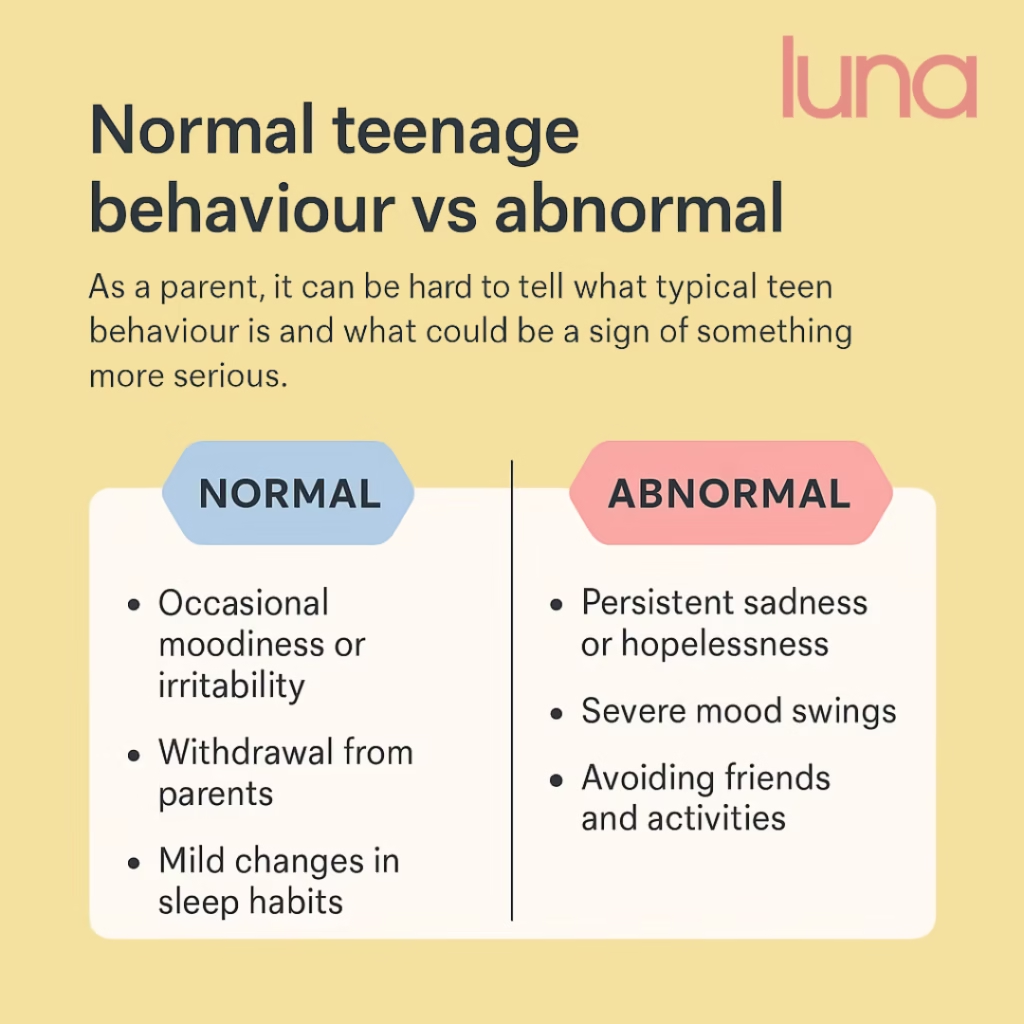
When to Seek Professional Help
Some behaviors require attention beyond parenting strategies.
Consult a specialist if:
- There is persistent sadness, anger, or withdrawal
- The teenager isolates completely from family and friends
- There are signs of anxiety or depression
- Aggression becomes harmful
- Risky behaviors increase (substance use, self-harm)
- Academic or daily functioning declines significantly
Early intervention prevents long-term emotional and behavioral difficulties.
Communication: The Core Strategy
Regardless of gender, communication remains the most important tool.
Listen without interrupting. Avoid immediate judgment.
Choose the right time to talk. Emotional moments are not effective for problem-solving.
Ask questions instead of giving orders.
According to Albert Bandura, teenagers learn through observation and interaction, meaning parental communication style directly influences their behavior (Bandura, 1977).
Discipline Without Damaging the Relationship
Teenagers need structure, but they also need respect.
Set clear rules and explain the reasons behind them. Use consequences instead of punishment.
Avoid humiliation, shouting, or comparisons.
The goal is to teach responsibility, not enforce control.
Top 10 Practical Parenting Tips
- Listen actively and calmly
- Respect independence while setting limits
- Avoid harsh criticism
- Stay emotionally available
- Encourage open communication
- Be patient with mood changes
- Guide rather than control
- Support their identity development
- Model respectful behavior
- Seek help when needed
Final Thought
Teenage years are not a problem to fix. They are a phase to understand. Boys and girls may express change differently, but both are navigating identity, emotions, and independence. When parents shift from control to connection, conflict reduces and trust grows. Because in the end, teenagers do not need perfect parents. They need parents who stay present during the most confusing years of their lives.
REFERENCES (APA 7)
- Erikson, E. H. (1968). Identity: Youth and crisis. Norton.
- Bandura, A. (1977). Social learning theory. Prentice Hall.