
Anxiety in Kids: Parental Guide
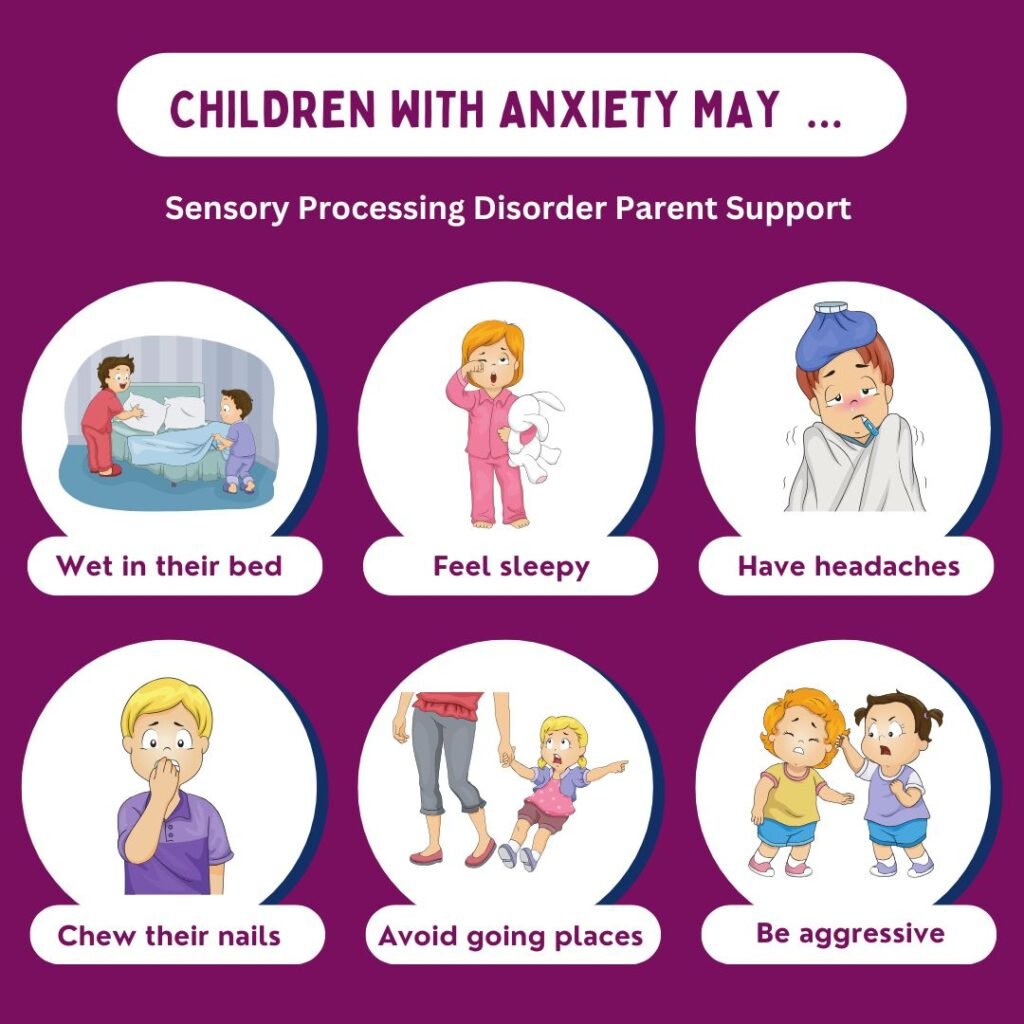
Anxiety in children is far more common—and far more overlooked—than many parents realize. A report highlighted by The New York Times (2018) revealed that anxiety disorders are among the most prevalent mental health concerns in children and adolescents, yet a large number of affected children never receive proper treatment. This is not due to a lack of effective interventions; rather, anxiety often remains unnoticed because it does not always present with obvious or disruptive behavior.
Unlike conditions that demand immediate attention, anxiety can be quiet. Some children become withdrawn, overly compliant, or inhibited, making their distress easy to miss. In other cases, anxiety may appear as irritability or resistance and is mistakenly interpreted as oppositional behavior. This variability in presentation makes accurate identification more complex.
Adults may also misinterpret anxiety as a temporary developmental phase. While it is true that certain forms of anxiety—such as separation anxiety—are normal and even protective in early childhood, problems arise when fear and worry begin to interfere with a child’s daily functioning, relationships, or enjoyment of life. At that point, anxiety is no longer adaptive; it becomes a barrier that requires attention.
Despite this, many parents adopt a “wait and see” approach, assuming the child will outgrow the problem. Research suggests that, on average, there is approximately a two-year delay between the onset of anxiety symptoms and the initiation of treatment. During this time, untreated anxiety can affect emotional regulation and cognitive functioning. As noted by clinicians at the Child Mind Institute, prolonged anxiety may disrupt normal developmental processes, reinforcing maladaptive patterns of fear and avoidance.
Anxiety also does not always appear as emotional distress alone. It frequently manifests through physical symptoms such as headaches, stomachaches, or fatigue—especially in situations linked to school or social environments. These somatic complaints can be understood as indirect expressions of internal distress, reflecting the child’s limited ability to verbalize anxiety.
Importantly, the role of parents is central in both the development and management of anxiety. In early childhood, it is natural for parents to operate in a protective “fix-it mode,” preventing harm and solving problems before they arise. However, when this approach continues into later childhood—particularly in response to anxiety—it can unintentionally reinforce avoidance behaviors. Children may come to rely on parents to remove discomfort rather than learning how to tolerate and manage it.
Effective treatment, therefore, often involves both the child and the parent. Evidence-based approaches typically include gradual exposure to feared situations, combined with strategies that help children regulate their emotional responses. Through this process, children learn that anxiety, while uncomfortable, is manageable. As clinicians emphasize, the goal is not to eliminate anxiety entirely but to help children develop resilience and coping skills.
Early recognition remains critical. Parents are encouraged to seek guidance if they notice persistent distress, avoidance behaviors, or difficulties in daily functioning. Even subtle signs—such as a child being unable to sleep alone, refusing separation from caregivers, or repeatedly seeking reassurance—may indicate underlying anxiety. Consulting with educators, pediatricians, or mental health professionals can provide clarity and direction.
Ultimately, addressing anxiety requires both awareness and action. With timely intervention, appropriate support, and informed parenting, children can learn not only to cope with anxiety but to grow through it.
Signs of Anxiety in Children: What Every Parent Should Notice
It often starts quietly.
A child who once ran into school now holds your hand tightly.
A child who slept peacefully now wakes up at night.
A simple “What’s wrong?” is met with “Nothing.”
But something has changed.
This is how anxiety in children often appears—not loudly, but gradually.
What Is Anxiety in Children?
Anxiety is a persistent feeling of worry, fear, or unease that goes beyond normal reactions and begins to affect a child’s daily life.
Unlike temporary fear, anxiety tends to stay, repeat, and grow over time.
According to the American Psychiatric Association, anxiety becomes clinically significant when it interferes with functioning and is disproportionate to the situation (APA, 2013).
Understanding the Differences: Anxiety vs Fear vs Stress vs Restlessness
Parents often confuse these terms, but each has a different meaning.
Fear
Fear is immediate and specific. A child sees a dog and feels scared. When the threat disappears, fear goes away.
Anxiety
Anxiety is future-oriented. The child worries about what might happen, even when there is no immediate danger.
Stress
Stress is a response to pressure or demand, such as exams or changes in routine. It may be temporary.
Restlessness
Restlessness is physical or mental unease, often linked to excess energy or difficulty focusing. It may not always involve worry.
Understanding these differences helps parents respond correctly rather than mislabeling behavior.
Common Signs of Anxiety in Children
Anxiety does not always look like worry. It often appears through behavior and physical symptoms.
Emotional Signs
- Excessive worrying
- Irritability
- Fear of separation
- Avoidance of situations
Physical Signs
- Stomach aches or headaches
- Sleep problems
- Fatigue
- Rapid heartbeat
Behavioral Signs
- Clinginess
- Refusal to attend school
- Difficulty concentrating
- Withdrawal from activities
These symptoms may come and go, but persistent patterns need attention.
Anxiety by Age: What Causes It?
Anxiety changes as children grow. Understanding age-specific causes is essential.
Toddlers (1–3 Years)
Possible Causes
- Separation from caregivers
- New environments
- Loud or unfamiliar stimuli
At this stage, anxiety is often linked to attachment and security.
Early Childhood (4–7 Years)
Possible Causes
- Fear of the dark or imaginary threats
- Changes in routine
- Starting school
Children begin to imagine possibilities, which can increase fear.
Middle Childhood (7–11 Years)
Possible Causes
- Academic pressure
- Peer relationships
- Fear of failure
Children become more aware of expectations and social comparison.
Adolescence and Teenage Years (12–18 Years)
Possible Causes
- Identity and self-image
- Peer pressure
- Future uncertainty
According to Erik Erikson, this stage involves identity formation, which can increase emotional stress (Erikson, 1968).
Anxiety in Children with Autism
Anxiety is particularly common in children with Autism Spectrum Disorder.
However, it may not always look typical.
How Anxiety Appears in Autism
- Increased repetitive behaviors
- Meltdowns instead of verbal expression
- Sensory overload reactions
- Resistance to change
Research indicates that difficulty in communication and sensory processing can increase anxiety levels in autistic children (White et al., 2009).
Recognizing these differences is crucial for accurate support.
How to Reduce Anxiety in Children
Anxiety cannot be removed instantly, but it can be managed effectively.
Start with emotional safety. Children need to feel heard before they can feel calm.
Create predictable routines. Structure reduces uncertainty, which reduces anxiety.
Teach simple coping strategies such as deep breathing or calming activities.
Gradual exposure to fears helps children build confidence instead of avoidance.
The Role of Parenting
Children learn how to respond to stress by watching adults.
According to Albert Bandura, children model behavior they observe (Bandura, 1977).
When parents remain calm and supportive, children learn regulation.
When to Seek Professional Help
Parents should consult a specialist if:
- Anxiety interferes with daily activities
- The child avoids school or social interaction
- Physical symptoms persist without medical cause
- Anxiety is intense or worsening
- There are panic-like reactions or extreme fear
Early intervention improves outcomes and prevents long-term difficulties.
Top 10 Parenting Tips to Support Anxious Children
- Listen without judgment
- Validate feelings (“I understand you feel worried”)
- Maintain consistent routines
- Avoid dismissing fears
- Encourage gradual exposure
- Teach calming techniques
- Limit over-reassurance
- Model calm behavior
- Support healthy sleep habits
- Seek help when needed
🔷 Final Thought
Anxiety in children is not always visible—but it is always meaningful.
It is not simply fear. It is a signal that something feels uncertain, overwhelming, or unsafe.
When parents respond with patience and understanding, children learn not to avoid fear—but to face it with confidence.
REFERENCES (APA 7)
- American Psychiatric Association. (2013). Diagnostic and statistical manual of mental disorders (5th ed.).
- Bandura, A. (1977). Social learning theory. Prentice Hall.
- Child Mind Institute. (2018). Children’s mental health report: Anxiety disorders.
- Erikson, E. H. (1968). Identity: Youth and crisis. Norton.
- The New York Times. (2018). Anxiety disorders in children often go untreated.
- White, S. W., Oswald, D., Ollendick, T., & Scahill, L. (2009). Anxiety in children with autism spectrum disorders. Clinical Psychology Review.