
Hyperactivity in Children
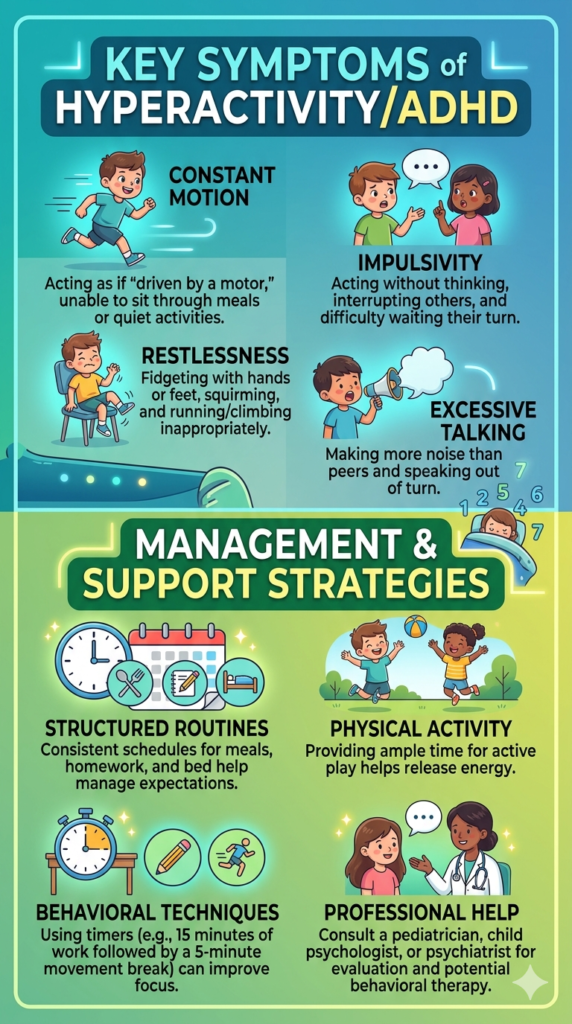
Hyperactivity in Children: A Story Every Parent Will Recognize
It usually starts the same way.
A child who cannot sit still. Constant movement. Endless questions. Interruptions. Energy that never seems to stop.
At first, it feels normal. “Just an active child,” people say.
But over time, it becomes exhausting. Homework is incomplete. Instructions are ignored. Social situations become difficult. And parents begin to wonder—is this normal, or something more?
This is where understanding hyperactivity in children becomes important.
What Hyperactivity Really Means?
Hyperactivity is not just “too much energy.” It is a pattern of behavior where a child struggles with self-control, attention, and impulse regulation.
Some children run, jump, and talk constantly. Others appear distracted, unable to focus, or forgetful. In many cases, these patterns are linked to attention-deficit/hyperactivity disorder (ADHD), though not every hyperactive child has ADHD.
Clinical guidelines from the American Psychiatric Association explain that symptoms must be persistent, occur in multiple settings, and affect daily functioning to be considered a disorder (APA, 2013).
The Different Faces of Hyperactivity
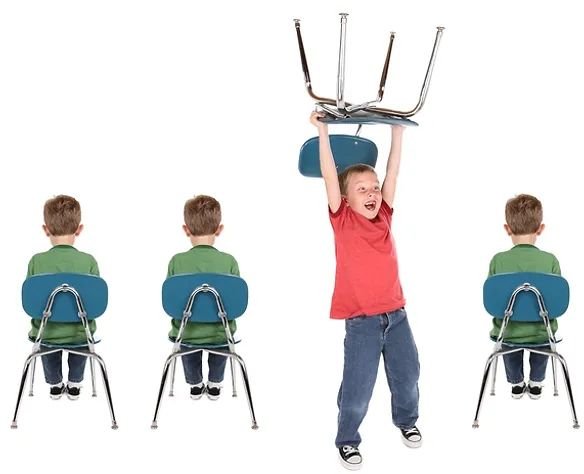
Hyperactivity does not look the same in every child.
Some children cannot sit still, constantly moving and interrupting. Others appear quiet but are mentally distracted, unable to focus. Many show a combination of both.
This is why hyperactivity is often described in three patterns:
- Hyperactive-impulsive
- Inattentive
- Combined
Understanding this helps parents respond more effectively instead of reacting with frustration.
Is there any difference between hyperactivity and ADHD?
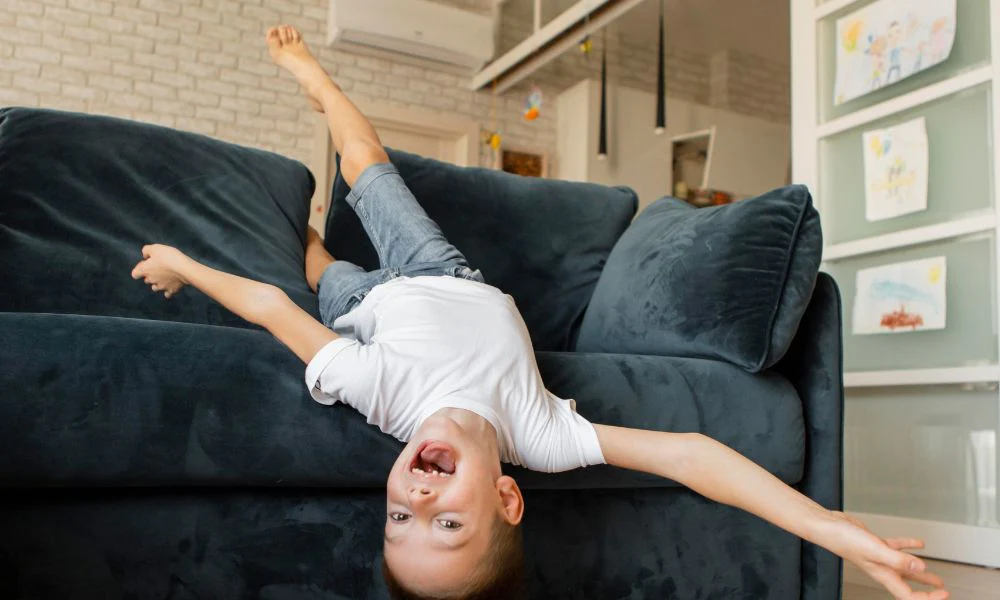
Yes, there is a distinct difference. Hyperactivity is a behavior (constant movement, high energy), while ADHD (Attention-Deficit/Hyperactivity Disorder) is a chronic neurological condition that includes hyperactivity as just one of its potential symptoms. A person can have high energy without having ADHD, but a person with hyperactive-type ADHD cannot easily control their hyperactivity.
Here are the key differences:
- Hyperactivity (The Behavior): Represents a high level of physical energy, such as fidgeting, inability to sit still, running around, or constant talking.
- ADHD (The Condition): A clinical diagnosis requiring symptoms to be persistent, present in multiple settings (home/school/work), and causing significant impairment. ADHD can exist without hyperactivity (Inattentive Type).
Key Differences Summary:
- Control: Children with high energy (hyperactivity) can often control their behavior with prompting. Children with ADHD struggle to regulate their behavior even when they try to, often appearing “driven by a motor”.
- Scope: ADHD includes three types: Predominantly Hyperactive-Impulsive, Predominantly Inattentive (no hyperactivity), and Combined.
- Focus: Hyperactivity is purely physical. ADHD involves a triad of challenges: Inattention, Hyperactivity, and Impulsivity.
The Signs Parents Often Notice First
Most parents recognize hyperactivity through daily struggles.
A child who cannot stay seated in class. One who starts tasks but never finishes. A child who speaks out of turn, interrupts conversations, or acts without thinking.
At home, it may look like constant movement, difficulty following instructions, or resistance to routine.
These are not signs of laziness or disobedience. They reflect a developing brain that is still learning control.
Why Hyperactivity Happens?
Hyperactivity is not caused by one single factor. It is a combination of brain development, genetics, and environment.
Research shows that differences in brain function, especially in attention and impulse control systems, play a major role (Thapar et al., 2017).
At the same time, children learn behavior from their surroundings. According to Albert Bandura, repeated patterns of attention and response shape behavior over time.
This means the environment can either reduce or increase hyperactivity.
What Parents Can Do in the Moment?
When a child is hyperactive, the instinct is often to stop the behavior immediately. But control alone does not work.
Calm response works better than control.
Instead of long instructions, use short and clear directions. Instead of forcing stillness, allow structured movement. Instead of reacting emotionally, stay steady.
Children learn regulation from the adult in front of them.
The Power of Small Structure
One of the biggest changes parents can make is simple: routine.
Children with hyperactivity respond strongly to predictable structure. When they know what comes next, their behavior becomes more organized.
Breaking tasks into small steps also helps. A long instruction feels overwhelming, but a short task feels achievable.
These small changes reduce frustration—for both child and parent.
Nutrition and Hyperactivity: What Really Matters
Parents often ask if food causes hyperactivity. The answer is not simple.
Diet does not directly cause hyperactivity, but it can influence behavior.
Balanced meals with protein, whole grains, and healthy fats support stable energy levels. Omega-3 fatty acids, found in fish and nuts, are linked to better brain function (Nigg et al., 2012).
At the same time, excessive sugar and processed foods may increase restlessness in some children.
The goal is not restriction—it is balance.
How Occupational Therapy Helps?
For many children, hyperactivity is linked to difficulty in processing sensory input.
This is where occupational therapy becomes important.
Therapists help children:
- Improve focus
- Regulate energy
- Develop daily skills
- Manage sensory input
Through structured activities, children gradually learn control instead of being forced into it.
When to Worry and Seek Help?
Every child is active. But not every child struggles.
Parents should consider professional help if behavior:
- Interferes with school or relationships
- Appears in multiple settings
- Includes aggression or extreme impulsivity
- Does not improve with routine and guidance
Early support leads to better outcomes and reduces long-term challenges.
How to Reduce Hyperactivity Over Time?
There is no instant solution, but there is a clear direction.
Consistency reduces chaos. Structure improves focus. Positive reinforcement builds better habits.
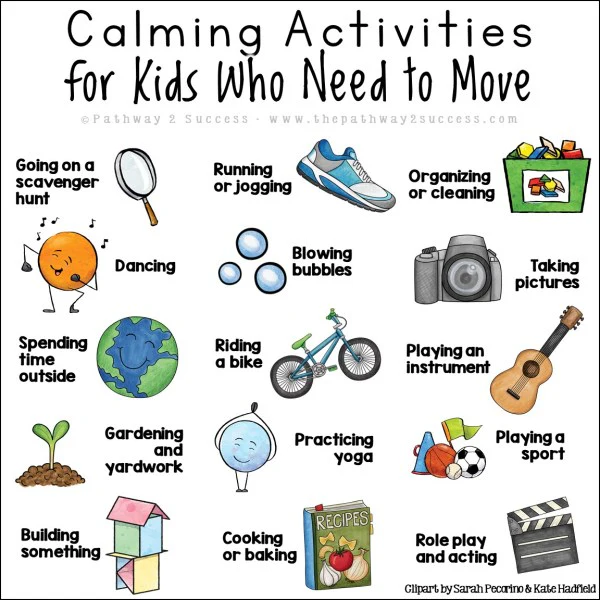
Limiting screen time, encouraging physical activity, and maintaining sleep routines all play a role.
Most importantly, children need guidance—not punishment.
Top 10 Parenting Tips That Actually Work
- Stay calm, even when behavior is difficult
- Use clear and simple instructions
- Create a consistent daily routine
- Break tasks into small steps
- Encourage physical activity daily
- Limit screen exposure
- Reinforce positive behavior
- Support good sleep habits
- Work closely with teachers
- Seek help when needed
Final Thought
Hyperactivity is not a failure of parenting. It is not simply bad behavior.
It is a sign that a child needs support in learning control, focus, and regulation.
When parents shift from control to understanding, everything begins to change.
If you have any questions, please comment below:
REFERENCES (APA 7)
- American Psychiatric Association. (2013). Diagnostic and statistical manual of mental disorders (5th ed.).
- Thapar, A., Cooper, M., Eyre, O., & Langley, K. (2017). What have we learnt about ADHD from genetics? The Lancet Psychiatry.
- Nigg, J. T., Lewis, K., Edinger, T., & Falk, M. (2012). Meta-analysis of diet and ADHD. Journal of the American Academy of Child & Adolescent Psychiatry.
- Bandura, A. (1977). Social learning theory. Prentice Hall.