Posted on Leave a comment

Emotional Development in Children

EMOTIONAL DEVELOPMENT

Emotional development is the beginning of a child’s experience, understanding, expression, and management of emotions from birth to late adolescence. It also includes how growth and changes in these processes related to emotions take place.

Professionals sometimes define healthy social-emotional development in young children as early

childhood mental health. Healthy social-emotional development includes the ability to:

  • Form and sustain positive relationships
  • Experience, manage, and express emotions
  • Explore and engage with the environment

Children having well-developed social-emotional skills are also able to:

  • Express their ideas and feelings
  • Show empathy towards others
  • Manage their feelings of frustration and displeasure more easily
  • Feel self-confident
  • More easily make and develop friendships’
  • Succeed in school

Emotional development refers to a child’s ability to:

  • Recognize emotions
  • Express feelings appropriately
  • Understand others’ emotions
  • Regulate emotional responses

It is a gradual process that begins at birth and continues into adulthood.

WHY IS THE EMOTIONAL ASPECT OF KIDS IMPORTANT?

Social-emotional development provides the basis for how we feel about ourselves and how we experience others. This foundation starts from the day we are born and continues to develop throughout our lifespan. Positive and nurturing early experiences and relationships have a significant impact on a child’s socioemotional development. They also influence how the young child’s brain develops. They have a long-lasting influence on how the child feels about himself, how he thinks and interacts with his world, and what he expects from others.

Children who develop emotionally well tend to:

  • Build stronger relationships
  • Handle stress better
  • Perform better academically
  • Show healthier behavior

Emotional skills are as important as cognitive skills for long-term success.

According to the World Health Organization, early emotional development is essential for lifelong mental health and well-being (WHO, 2020).

Emotional development involves:

  • Understanding how and why emotions appear
  • Recognizing one’s own feelings and those of others, and
  • Developing effective ways of managing them.

As children grow and are open to different situations, their emotional lives also become more complex. Developing skills for managing a variety of emotions is therefore very important for their emotional health.

HOW EMOTIONAL DEVELOPMENT BEGINS

Emotional development starts in infancy through interaction with caregivers.

A baby learns emotional safety through:

  • Touch
  • Voice tone
  • Response to crying

Consistent caregiving builds emotional security.

According to John Bowlby, early attachment forms the foundation of emotional development (Bowlby, 1969).

ASPECTS OF SOCIAL EMOTIONAL DEVELOPMENT

Caring environment

Developing kind, trusting relationships with responsive caregivers in early childhood settings is essential. These relationships provide the child with an internal working model of positive social relationships (Denham & Weissberg, 2004).

Emotional knowledge and emotional regulation

The ability to identify emotions in oneself and others and to delay reaction to emotions while directing these feelings into socially acceptable behaviors is central to social competency.

iii. Social Understanding

Generally, around age four, children begin to understand that others have internal worlds where they keep feelings and thoughts, and that certain events/actions are causes for certain emotional reactions. This major developmental stage allows for perspective-taking – the ability “to be in someone else’s shoes,” which leads to the ability to empathize.

  1. Relationship management

The knowledge of social norms influences the interaction between children. For example, it helps a child learn how to express emotions effectively or to respond to problems.

  1. Social responsibility

Knowing about emotions is not enough. The goal of social emotional education is to enable children to be internally motivated to act kindly and to develop a system of ethical values directed toward feeling for others.

FACTORS AFFECTING EMOTIONAL DEVELOPMENT

Environmental and personal problems can hinder social and emotional development. There are many factors, both internal and external, that impact a child’s level of emotional development. Internally, temperament (the genetic part of an individual’s personality) can affect how children respond to the world emotionally. Children who have more tolerant and relaxed temperaments are inclined towards easier learning of emotional management. They can also positively understand and respond to other people’s emotions. Children who have difficult temperaments have a tendency to make efforts in order to regulate their own emotions. They will usually react to other people’s strong emotions by becoming unhappy themselves.

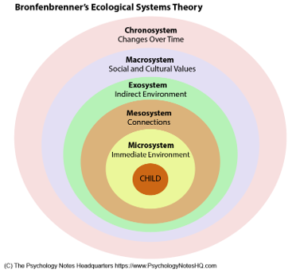
Externally, the environment and role models will also impact how children react to the world emotionally. Bronfenbrenner’s ecological theory provides insight into the effect of various environments on the social and emotional development of a child.

ERIK ERIKSON’S THEORY OF SOCIO-EMOTIONAL DEVELOPMENT

Emotional development does not occur in isolation. Cognitive, behavioral, and social developments work together with emotional development. In this process, context also plays a role. Various emotional development theories are offered, but there is general agreement on age-related milestones in emotional development.

  1. Trust vs. Mistrust
  2. Autonomy vs. Shame/Doubt
  3. Initiative vs. Guilt
  4. Industry vs. Inferiority
  5. Identity vs. Role Confusion
  6. Intimacy vs. Isolation
  7. Generativity vs. Stagnation
  8. Ego Integrity vs. Despair


STAGES OF EMOTIONAL DEVELOPMENT

Infancy (0–2 Years): Basic Emotional Responses

Key Features

  • Crying, smiling, distress
  • Attachment to caregivers
  • Comfort-seeking behavior

Parent Role

Respond consistently and provide emotional safety.

Early Childhood (2–6 Years): Emotional Expression

Key Features

  • Strong emotions (anger, joy, fear)
  • Tantrums due to limited control
  • Beginning of empathy

Parent Role

Teach emotional labeling like “I see you are angry.”

Middle Childhood (6–11 Years): Emotional Awareness

Key Features

  • Better emotional control
  • Understanding others’ feelings
  • Peer-related emotions

According to Jean Piaget, cognitive development supports emotional understanding at this stage (Piaget, 1952).

Parent Role

Encourage problem-solving and emotional expression.

Adolescence (12–18 Years): Emotional Complexity

Key Features

  • Intense emotions
  • Mood swings
  • Identity-related emotional stress

According to Erik Erikson, this stage involves identity formation, which strongly influences emotions (Erikson, 1968).

Parent Role

Listen without judgment and provide emotional support.

COMMON EMOTIONAL CHALLENGES IN CHILDREN

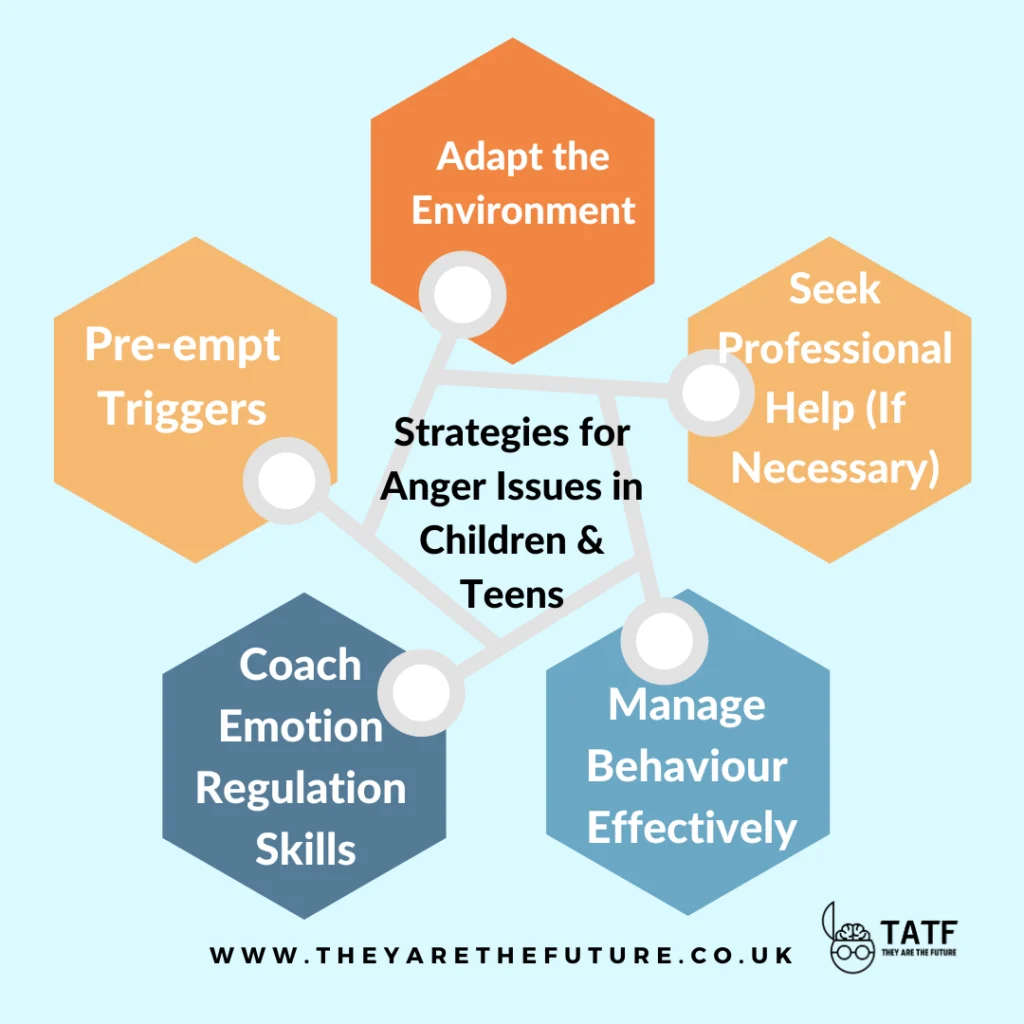
  • Frequent anger or frustration
  • Anxiety or fear
  • Emotional withdrawal
  • Difficulty expressing feelings
  • Overreaction to small issues

These challenges are often part of development but may require support if persistent.

EMOTIONAL DEVELOPMENT IN AUTISM

Children with Autism Spectrum Disorder may experience differences in emotional processing.

They may:

  • Struggle to express emotions
  • Misinterpret social cues
  • Experience sensory-related emotional overload

Structured support and therapy can improve emotional understanding and regulation.

HOW PARENTS CAN SUPPORT EMOTIONAL DEVELOPMENT

Start by acknowledging all emotions, even difficult ones.

Children should feel that their emotions are safe to express.

Teach emotional vocabulary so children can explain feelings instead of acting out.

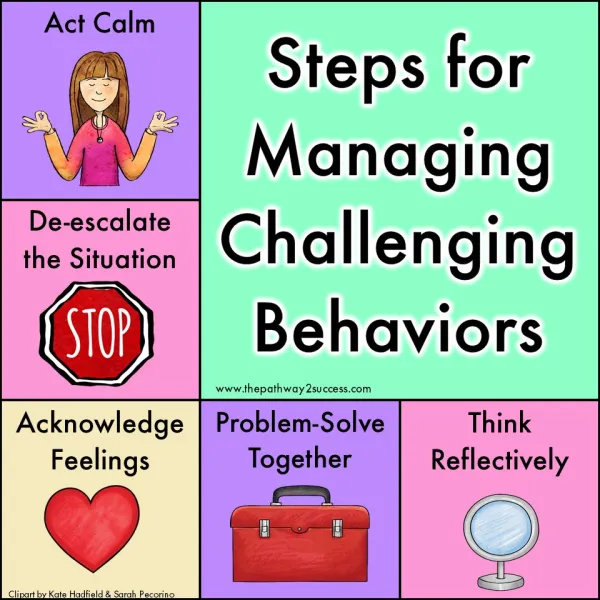
Model calm behavior during stress.

According to Albert Bandura, children learn emotional responses by observing parents (Bandura, 1977).

EMOTIONAL REGULATION: A KEY LIFE SKILL

Emotional regulation is the ability to manage feelings in healthy ways.

It develops gradually and is influenced by:

  • Parenting style
  • Environment
  • Experiences

Children learn regulation through guidance, not punishment.

WHEN EMOTIONAL BEHAVIOR IS NORMAL

Emotional behavior is generally normal when:

  • Reactions match situations
  • Emotions change over time
  • The child can recover after upset
  • Social interaction continues

WHEN TO SEEK PROFESSIONAL HELP

Seek help if:

  • Emotional outbursts are extreme or frequent
  • Anxiety or sadness is persistent
  • Social withdrawal increases
  • Emotional control is severely impaired

Early support improves emotional outcomes.

TOP 10 PARENTING TIPS FOR EMOTIONAL DEVELOPMENT

  1. Accept all emotions
  2. Teach emotional vocabulary
  3. Stay calm during emotional outbursts
  4. Listen actively
  5. Avoid dismissing feelings
  6. Model emotional control
  7. Encourage problem-solving
  8. Build emotional security
  9. Maintain consistency
  10. Seek help when needed

Final Thought

Emotions are not problems to fix.

They are signals to understand.

When children learn to understand their emotions, they learn to understand themselves.

And that is the foundation of a healthy life.

REFERENCES (APA 7)

  • Bowlby, J. (1969). Attachment and loss. Basic Books.
  • Erikson, E. H. (1968). Identity: Youth and crisis. Norton.
  • Piaget, J. (1952). The origins of intelligence in children. International Universities Press.
  • Bandura, A. (1977). Social learning theory. Prentice Hall.
  • World Health Organization. (2020). Early childhood development guidelines.
 

Posted on Leave a comment

Physical Development in Children

What Is Physical Development?

Physical development refers to changes in a child’s body, movement, and motor skills.

It includes:

  • Growth in height and weight
  • Development of muscles and bones
  • Fine motor skills (small movements like writing)
  • Gross motor skills (large movements like walking, running)

These changes are influenced by nutrition, genetics, and environment.

Physical development is one of the major topical areas in the study of child development. It focuses on the ways in which the overall body’s structure including the brain, nervous system, muscles, organs, senses and the bodily needs (e.g., hunger, thirst) determine an individual’s behavior and development. For example, a developmental psychologist might be interested to see how malnutrition affects the physical growth of a child.

However, physical development is not only specified to the biological and maturational changes that occur over time with little or no influence from the context. Rather, it is believed to occur within an environmental context, where factors such as nutrition, opportunities for play, cultural practices etc play a significant role.

Why Physical Development Matters

Physical development is directly linked to:

  • Brain development
  • Cognitive abilities
  • Emotional confidence
  • Social interaction

Children who develop physically well tend to explore more, learn faster, and interact better.

According to the World Health Organization, proper physical growth in early years is essential for long-term health and development (WHO, 2020).


2 THE ABCS OF GENETICS

A human body is composed of trillions of micro units, called cells. Each cell has a core control, named as the nucleus. The nucleus contains rod like structures which are known as chromosomes. The chromosomes come in 23 pairs (one from the father and one from the mother) and carry information about the size, shape and other genetic features inherited from the parents. Overall, they are responsible for the storage and transmission of genetic information from one generation to another.

2.1 Genetic inheritance

Chromosomes comprise of a series of proteins called deoxyribonucleic acid or DNA. DNA has a tendency to duplicate itself through a process, called mitosis. This feature enables chromosomes to copy themselves and produce new cells which have exactly the same pattern of genetic information. Each DNA carries thousands of genes across the length of the chromosomes (Berk, 2013). Genes are the basic units of hereditary transmission. This implies that a combination of genes results in certain traits of the child. Luckily, many harmful traits are coded as recessive by the genes, which reduce the possibility of their genetic transmission (Berk, 2013). However, in cases, where both the parents carry the recessive allele for a certain harmful trait, it is likely that the child will carry that disorder. Yet, inheriting certain disorders from parents does not always lead to untreatable conditions. Rather, a supporting environment can play a significant role in helping the child to live a normal life.

2.2 Genes and environments

Contemporary researchers believe that genes (nature) and environment (nurture) interact to manipulate a child’s development. This is because they often influence and get influenced from each other to form patterns of development (Keenan & Evans, 2009). Moreover, a child’s genetic disposition urges him/her to find a compatible environment for himself/herself. For example, a child with a musical talent would be inclined to join the music/singing club at school etc. This tendency gets stronger as the child moves into adulthood and takes the charge of his/her own environment.

On the other hand, environment may also have a critical impact on genetic factors. For example, certain behavioral traits such as cognitive abilities etc change dramatically under supportive/unsupportive conditions. Similarly, different children react differently to their environmental circumstances (e.g., out of the two children coming from the 3 same deprived context, one child performs slightly better under supportive conditions, whereas the other one performs way better).

3 LIFE BEFORE BIRTH – PRENATAL DEVELOPMENT

Life before birth encompasses the time period between conception and birth. The development that takes place during this period is referred to as prenatal development. Generally, prenatal development comprises nine months which are further characterized by three periods including the zygote, embryo and fetus (Keenan & Evans, 2009).

  • The embryo marks the beginning of the third week and lasts until the end of the second month of pregnancy. It is characterized by the most rapid changes during prenatal period which set the stage for the development of body parts, structures and systems.
  • The fetus is the longest prenatal period which starts from the ninth week and lasts till birth. It is characterized by immense physical growth and finishing. In particular, the brain’s growth is at its peak.

3.1 Environmental Risks – Teratogens

Any environmental agent which may affect and cause damage to the development of

embryo or fetus during the prenatal period is referred to as teratogen (Berk, 2013).

Teratogens involve a range of factors and vary in their severity. The possible damage

caused by teratogens depends on different factors such as the amount and length of the exposure to a harmful agent, genetic structure and age of both the mother and the

fetus, and other negative influences from the environment (Keenan & Evans, 2009).

4 PHYSICAL DEVELOPMENT IN CHILDHOOD

4.1  The course of physical growth

The course of physical growth includes changes in body size, proportions, muscle-fat makeup, and skeleton. It also includes gains in gross- and fine-motor skills (Berk, 2013).

i Changes in body size.

The most rapid changes in body size are observed during infancy. These changes are marked by an immense increase in the height and weight of the child. However, the growth rate slows down in early and middle childhood. While the first two years of life characterize rapid but decelerating annual growth trends, early and middle childhood follow slow but steady growth.

ii Changes in body proportions.

As the body increases in size, different parts of the body grow at different rates and follow different patterns. Understanding these trends would help us to develop appropriate expectations of a child’s physical abilities at different age levels.

The first trend in the growth of the child highlights the ‘head to toe’ pattern.

The next pattern follows the ‘inside to outside’ or ‘centre to outside’ path.

It follows ‘general to specific’ and ‘large to small’ patterns of development during childhood.

iii Changes in muscle-fat makeup.

Muscle to fat ratio also changes during the course of physical development. While the body fat increases at a faster rate in infancy to help the baby keep a consistent body temperature, it is considerably reduced during early and middle childhood. Whereas, muscles build up at a much slower rate during infancy and childhood, when compared to the adolescence period, as they start to develop rapidly.

iv Skeletal growth.

Since children of the same age may grow and mature differently at different speeds, it becomes difficult to account for the causes and consequences of individual differences in physical development. Physical maturity is estimated by skeletal growth or age which specifies a measure of the development of body bones. It is based on the number of epiphyses (special growth centers which are present at each end of all long bones in the body) and the extent to which they are merged. This measure of an individual’s physical development helps to understand the causes and consequences of individual differences in physical development of children.

v Changes in gross and fine motor skills.

Gross motor involves all the big muscles in a human body. Gross-motor activities involve activities which require the use of big muscles and include crawling, walking, running, skipping and jumping. Children’s gross motor skills experience considerable gains with the increase in body size, proportion, and muscle strength.

On the other hand, fine motor skills require a precise control of muscles and coordination of body movements to perform different activities such as drawing, writing, and cutting with scissors. With time and experience, children acquire a complex system of fine motor skills featuring a dynamic interplay of brain, body movement, motivational and contextual factors.

5 PHYSICAL CHARACTERISTICS

  1. Children need to move

Children at the pre and elementary school level have an inherent need to move their bodies. It is, thus, difficult for them to remain static with little or no body movement while working on sedentary activities.

  1. Improved eye-hand coordination

Eye-hand coordination, also referred to as visual motor integration skills, begin to develop during infancy. It controls the hand movement of a child guided by his/her vision. Although this coordination is not sophisticated during infancy, it reaches to the point of near independence during the pre-school years, and continues to improve through middle childhood.

  1. Improved body coordination

Balance and coordination are critical physical attributes which help the child to maintain a controlled body position while performing a task. While the pre and elementary school children show increased body coordination in high energy activities such as running, climbing etc, they can still fall easily.

  1. Improved perceptual abilities

Although the five basic senses are well-developed at birth, the child continues to develop perceptual abilities during pre and elementary school years. These improved abilities help the child to interact with the physical and social world in an effective way.

  1. Improved gross and fine motor skills

The motor skill development follows the ‘general to specific’ growth pattern among children. Children tend to develop gross motors well in advance before they start to develop fine motor skills. Pre and elementary school children develop better upper body mobility and coordination.

STAGES OF PHYSICAL DEVELOPMENT

Infancy (0–2 Years): Rapid Growth and Basic Movement

This is the fastest growth stage.

Key Milestones

  • Lifting head
  • Rolling over
  • Sitting and crawling
  • Walking

Parent Focus

Provide safe space for movement and proper nutrition.

Warning Signs

  • No head control by 4–5 months
  • Not sitting by 9 months
  • Not walking by 18 months

Toddler Stage (2–4 Years): Movement and Coordination

Children become active and curious.

Key Milestones

  • Walking confidently
  • Running and climbing
  • Basic hand coordination

Parent Focus

Encourage active play and safe exploration.

Warning Signs

  • Frequent falling
  • Poor coordination
  • Limited movement

Early Childhood (4–7 Years): Skill Development

Motor skills become more refined.

Key Milestones

  • Jumping, skipping
  • Drawing and writing
  • Improved balance

Parent Focus

Support physical activities and skill-building games.

Middle Childhood (7–11 Years): Strength and Control

Children gain strength and coordination.

Key Milestones

  • Better control of body movements
  • Participation in sports
  • Increased stamina

Parent Focus

Encourage regular physical activity and healthy habits.

Adolescence (12–18 Years): Growth and Puberty

Rapid physical changes occur.

Key Milestones

  • Height and weight increase
  • Hormonal changes
  • Development of secondary physical characteristics

According to Jean Piaget, physical growth during adolescence supports advanced cognitive development (Piaget, 1952).

Parent Focus

Provide emotional support along with physical care.

FACTORS AFFECTING PHYSICAL DEVELOPMENT

Nutrition

Proper nutrition is essential for growth.

Deficiencies can lead to delayed development.

Genetics

Genetic factors influence height, body structure, and growth patterns.

Physical Activity

Regular movement strengthens muscles and improves coordination.

Health and Medical Conditions

Chronic illness or developmental disorders can affect growth.

Physical Development and Special Conditions

Children with conditions like Autism Spectrum Disorder may show differences in motor development.

They may experience:

  • Delayed coordination
  • Repetitive movements
  • Sensory-related physical responses

Early support such as occupational therapy can improve outcomes.

Common Physical Issues in Children

  • Delayed walking or movement
  • Poor muscle tone
  • Obesity or undernutrition
  • Lack of physical activity

These issues require attention and guidance.

How Parents Can Support Physical Development

Create opportunities for active play.

Ensure balanced nutrition.

Limit screen time.

Encourage outdoor activities.

Provide safe environments for movement.

When to Seek Professional Help

Consult a specialist if:

  • Growth is significantly delayed
  • Motor skills are not developing
  • There is weakness or lack of coordination
  • The child avoids physical activity

Early intervention improves development.

Top 10 Practical Tips for Parents

  1. Encourage daily physical activity
  2. Provide balanced nutrition
  3. Monitor growth milestones
  4. Limit screen time
  5. Support outdoor play
  6. Ensure proper sleep
  7. Avoid comparison with other children
  8. Observe movement patterns
  9. Maintain regular health checkups
  10. Seek help when needed

Final Thought

Physical development is not about speed. It is about progress.

Some children walk early. Others take time.

What matters is not how fast they grow—but how well they are supported.

Because every movement a child learns is a step toward independence.

REFERENCES (APA 7)

  • World Health Organization. (2020). Child growth standards.
  • Piaget, J. (1952). The origins of intelligence in children. International Universities Press.


Posted on Leave a comment

Impact of Home Environment on Children

Impact of Home Environment on Children: The Invisible Force Shaping Every Child

Two children grow up in the same city, attend the same school, and study the same books.

But one is confident, calm, and expressive.
The other is anxious, withdrawn, or aggressive.

What makes the difference?

Often, it is not the school. Not the curriculum. Not even intelligence.

It is the home environment.

The space where a child feels safe—or unsafe, heard—or ignored, supported—or pressured, shapes development more deeply than most parents realize.

What Is Home Environment?

Home environment refers to the emotional, social, and physical conditions in which a child grows.

It includes:

  • Parent-child relationships
  • Communication patterns
  • Discipline style
  • Emotional climate
  • Daily routines
  • Physical safety and stability

It is not about luxury or income. It is about experience and interaction.

WHY HOME ENVIRONMENT MATTERS

Children spend their early years primarily at home. During this time, their brain develops rapidly.

According to the World Health Organization, early environments significantly influence cognitive, emotional, and social development (WHO, 2020).

A supportive home environment promotes healthy growth. A stressful environment can hinder development.

HOW HOME ENVIRONMENT INFLUENCES DEVELOPMENT

Emotional Development

Children learn how to understand and manage emotions by observing their parents.

In a calm and supportive home:

  • Children feel secure
  • Emotional expression is encouraged
  • Stress is reduced

In a tense or unpredictable home:

  • Anxiety increases
  • Emotional regulation becomes difficult
  • Fear or withdrawal may develop

According to John Bowlby, early relationships with caregivers form the foundation of emotional security (Bowlby, 1969).

Cognitive Development

A stimulating home environment enhances thinking and learning.

Children exposed to conversation, reading, and interaction develop:

  • Better language skills
  • Stronger memory
  • Improved problem-solving

Lack of stimulation may delay cognitive development.

Social Development

Children learn social behavior at home first.

Respectful communication teaches cooperation and empathy.

Conflict and aggression in the home may lead to similar behavior in children.

According to Albert Bandura, children imitate behaviors they observe in their environment (Bandura, 1977).

Behavioral Development

Consistent rules and routines create stability.

Children raised in structured environments show:

  • Better discipline
  • Higher responsibility
  • Improved self-control

Inconsistent parenting may lead to confusion and behavioral problems.

TYPES OF HOME ENVIRONMENTS AND THEIR IMPACT

Supportive and Nurturing Environment

  • Open communication
  • Emotional warmth
  • Consistent guidance

Impact: Confidence, emotional stability, and strong social skills.

Overly Strict Environment

  • Excessive control
  • Limited freedom
  • Harsh discipline

Impact: Fear, low self-esteem, or rebellion.

Neglectful Environment

  • Lack of attention
  • Emotional distance
  • Limited supervision

Impact: Behavioral issues, insecurity, and poor development.

Chaotic or Stressful Environment

  • Frequent conflict
  • Unpredictable routines
  • Emotional instability

Impact: Anxiety, aggression, and difficulty focusing.

THE ROLE OF PARENTING STYLE

Parenting style shapes the home environment.

Balanced parenting—combining warmth with structure—produces the best outcomes.

According to Diana Baumrind, authoritative parenting (supportive but firm) is linked to positive child development (Baumrind, 1967).

HOME ENVIRONMENT AND SPECIAL NEEDS CHILDREN

Children with conditions like Autism Spectrum Disorder are even more sensitive to their environment.

They often require:

  • Predictable routines
  • Low sensory stress
  • Structured support

A stable home environment significantly improves behavior and learning outcomes.

Signs of a Healthy Home Environment

  • Children feel safe and secure
  • Open communication exists
  • Emotional needs are acknowledged
  • Routines are consistent
  • Positive behavior is reinforced

Warning Signs of a Harmful Environment

  • Frequent conflict or shouting
  • Emotional neglect
  • Inconsistent discipline
  • Lack of supervision
  • High stress levels

These signs may affect a child’s long-term development.

HOW PARENTS CAN IMPROVE THE HOME ENVIRONMENT

Start with small, consistent changes.

Create routines that provide structure and predictability.

Communicate calmly and respectfully.

Spend quality time with children, even if it is brief.

Reduce unnecessary stress and conflict in the home.

Encourage emotional expression and listen actively.

Top 10 Practical Tips for Parents

  1. Maintain a calm and respectful environment
  2. Communicate openly with your child
  3. Set consistent rules and boundaries
  4. Encourage emotional expression
  5. Spend quality time daily
  6. Reduce exposure to conflict
  7. Support learning at home
  8. Be a positive role model
  9. Provide a safe and stable space
  10. Seek help when needed

Final Thought

A home is more than walls and furniture.

It is an emotional space where a child learns how to feel, think, and behave.

You do not need a perfect home to raise a healthy child.

You need a consistent, supportive, and understanding environment.

Because the way a child experiences home becomes the way they experience the world.

REFERENCES (APA 7)

  • Bowlby, J. (1969). Attachment and loss. Basic Books.
  • Bandura, A. (1977). Social learning theory. Prentice Hall.
  • Baumrind, D. (1967). Child care practices and developmental outcomes. Genetic Psychology Monographs.
  • World Health Organization. (2020). Early childhood development guidelines.
Posted on Leave a comment

Nutrition and Child Development

Nutrition and Its Influence on Child Development: A Scientific Guide for Parents

A child’s brain does not develop in isolation.

It develops through experience, environment—and nutrition.

The food a child eats does not just affect physical growth. It directly influences brain development, emotional regulation, cognitive ability, and behavior.

From the first year of life to adolescence, nutrition acts as a biological foundation for development.

WHY NUTRITION MATTERS IN CHILD DEVELOPMENT

Child development depends heavily on adequate intake of macro- and micronutrients.

Nutrition supports:

  • Brain structure and function
  • Neurotransmitter production
  • Physical growth
  • Immune system development
  • Emotional regulation

According to the World Health Organization, proper nutrition in early childhood is essential for optimal cognitive and physical development (WHO, 2020).

The Science Behind Nutrition and Brain Development

The developing brain requires specific nutrients for optimal functioning.

KEY NUTRIENTS AND THEIR ROLES

Protein supports brain cell growth and repair.

Omega-3 fatty acids (DHA) are essential for neural development and cognitive function.

Iron plays a critical role in oxygen transport and brain development. Iron deficiency has been linked to cognitive delays.

Zinc supports immune function and brain signaling.

Vitamins (A, B-complex, D) support neurological development and energy metabolism.

Research shows that early nutritional deficiencies can lead to long-term developmental challenges (Georgieff, 2007).

NUTRITION ACROSS DEVELOPMENTAL STAGES

Infancy (0–2 Years)

Nutrition is critical for rapid brain growth.

Breastfeeding or appropriate alternatives provide essential nutrients.

Deficiencies during this stage can have lasting effects.

Early Childhood (2–6 Years)

Children require balanced diets to support learning and physical activity.

Irregular eating habits may affect attention and behavior.

Middle Childhood (6–12 Years)

Nutrition influences academic performance and energy levels.

Balanced meals improve concentration and memory.

Adolescence (12–18 Years)

Rapid physical growth increases nutritional needs.

Poor diet at this stage can affect mood, energy, and long-term health.

NUTRITION AND EMOTIONAL & BEHAVIORAL DEVELOPMENT

Food affects not only the body but also behavior.

Children with poor nutrition may show:

  • Irritability
  • Low concentration
  • Hyperactivity
  • Mood instability

Research indicates a link between diet quality and mental health outcomes in children (Jacka et al., 2010).

Common Nutritional Problems in Children

  • Iron deficiency anemia
  • Vitamin D deficiency
  • Protein-energy malnutrition
  • Excess sugar and processed food intake

These issues can affect both physical and cognitive development.

NUTRITION IN CHILDREN WITH AUTISM

Children with Autism Spectrum Disorder often have unique nutritional needs and challenges.

Why Nutrition Is Different in Autism

Children with autism may experience:

  • Sensory sensitivities to food textures
  • Limited food preferences
  • Gastrointestinal issues
  • Nutritional deficiencies

Research suggests that dietary patterns can influence behavior and gastrointestinal symptoms in autism (Hyman et al., 2012).

What Children with Autism Can Eat

A balanced, nutrient-rich diet is recommended.

Helpful foods include:

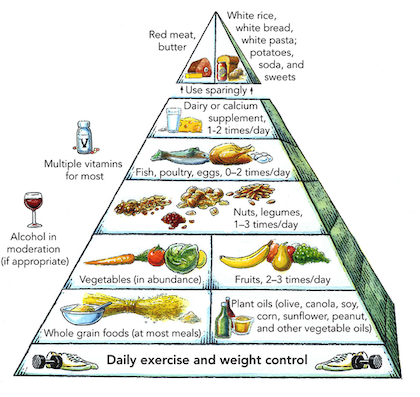
  • Fruits and vegetables
  • Whole grains
  • Lean proteins (chicken, fish, legumes)
  • Healthy fats (nuts, seeds, omega-3 sources)

Foods rich in omega-3 and vitamins support brain function.

Foods to Limit or Monitor

Some children may benefit from reducing:

  • Highly processed foods
  • Excess sugar
  • Artificial additives and preservatives

In some cases, parents explore gluten-free or casein-free diets, but scientific evidence remains mixed. Dietary changes should always be supervised by professionals.

IMPORTANT NOTE FOR PARENTS

There is no single “autism diet” that works for every child.

Individual assessment is essential.

Consult a pediatrician or nutrition specialist before making major dietary changes.

How Parents Can Improve Child Nutrition

Start with simple habits.

Provide balanced meals that include protein, carbohydrates, and healthy fats.

Encourage regular meal times.

Limit junk food and sugary snacks.

Model healthy eating behavior—children learn by observing, as explained by Albert Bandura (Bandura, 1977).

When to Seek Professional Advice

Consult a specialist if:

  • The child has limited food intake
  • There are signs of nutritional deficiency
  • Growth is below expected levels
  • Feeding difficulties are persistent
  • The child has special needs affecting their diet

Early nutritional intervention improves outcomes.

TOP 10 NUTRITION TIPS FOR PARENTS

  1. Provide balanced meals
  2. Encourage variety in food
  3. Limit processed foods
  4. Ensure adequate hydration
  5. Include iron-rich foods
  6. Support regular eating routines
  7. Avoid force-feeding
  8. Monitor growth and development
  9. Seek professional guidance when needed
  10. Be patient with eating habits

Final Thought

  • Nutrition is not just about feeding a child.
  • It is about building the foundation for how a child thinks, feels, and grows.
  • Every meal contributes to development.
  • And every healthy choice today supports a stronger future.

REFERENCES (APA 7)

  • World Health Organization. (2020). Child nutrition guidelines.
  • Georgieff, M. K. (2007). Nutrition and the developing brain. American Journal of Clinical Nutrition.
  • Jacka, F. N., et al. (2010). Association between diet quality and mental health. American Journal of Psychiatry.
  • Hyman, S. L., et al. (2012). Nutrient intake in children with autism. Journal of Autism and Developmental Disorders.
  • Bandura, A. (1977). Social learning theory. Prentice Hall.
Posted on Leave a comment

Child Growth & Development

Child Growth and Development: Understanding How Children Grow and Change

A baby learns to smile.
A toddler takes their first step.
A child begins asking endless questions.
A teenager searches for identity.

These are not random moments. They are part of a continuous journey called growth and development.

Parents often focus on height and weight. But growth is more than physical. Development includes how a child thinks, feels, behaves, and connects with the world.

Understanding this journey helps parents respond with confidence instead of confusion.

What Is Child Growth and Development?

Child growth refers to physical changes such as height, weight, and body structure.

Child development refers to functional changes, including:

  • Cognitive (thinking and learning)
  • Emotional (feelings and regulation)
  • Social (interaction and relationships)
  • Behavioral (actions and responses)

These processes happen together and influence each other.

GROWTH

In this strict sense ‘growth’ means an increase in size. When we say that a body or any of its parts has “grown”, it means that it has become larger and heavier. Thus, increase in size height, length and weight which can be measured, contributes ‘growth’. Hurlock has defined Growth as “change in size, in proportion, disappearance of old features and acquisition of new ones”.

  • A biological processes that naturally occur over a period of time is called Growth
  • The increase in the bodily aspects that can be measured, for example, height, weight, size, muscles and length (Woolfolk, 2014)
  • The natural, spontaneous, specific, genetically programmed and measurable quantitative gains in a human body.

DEVELOPMENT

Development refers to the qualitative changes in the organism as whole. Development is a continuous process through which physical, emotional and intellectual changes occur. It is a more wide and comprehensive term than growth. It is also possible without growth. In the strict sense of the word, implies change in shape, form or structure resulting in improved working or functioning.

  • It is process of  function and physical maturation of an individual it is progressive increase in skill and capacity  or function
  • Most of these changes are qualitative in nature and influenced by context, for example, changes in behavioural, social, moral and intellectual aspects of an individual. Overall, these changes result in better, adaptive, organized and complex human behaviours

General-Nature of Growth and Development:

Human beings keep changing. During their lives, they change in size, appearance and psychological makeup. The way they change differs from individual to individual. But the fundamental underlying patterns of growth and development remain more or less the same and take place in an orderly way. Each individual, with his unique heredity and the way he is nurtured, determines the way he traverses the broad highway of his life at his rate of progress. He will attain the size shape, capacities and developmental status in a way which is peculiar to him at each stage of life. We often use ‘growth’ and ‘development’ interchangeably, as synonymous terms. In the strictest sense of the word, ‘growth’ is different from ‘development’.
According to Crow and Crow (1965) development is concerned with growth as well as those changes in behaviour which results from environmental situation.”

Growth

Development

Growth refers to physiological changes.

Development refers to overall changes in the individual. It involves changes in an orderly and coherent type towards the goal of maturity.

Changes in the quantitative respect is termed as growth

Development changes in the quality along with quantitative aspect.

Growth does not continue throughout life.

Development continues throughout life.

Growth stops after maturation

Development is progressive.

Growth occurs due to the multiplication of cells.

Development occurs due to both maturation and interaction with the environment.

Growth is cellular

Development is organizational.

Growth is one of the parts of the developmental process.

Development is a wider and comprehensive term.

Growth may be referred to describe the changes in particular aspects of the body and behaviour of the organism

Development describes the changes in the organism as a whole.

The changes produced by growth are subjects of measurements. They may be quantified and observable in nature.

Development brings qualitative changes which are difficult to measure directly. They are assessed through keen observation of behaviour in different situations.

Growth may or may not bring development.

Development is possible without growth.

STAGES OF DEVELOPMENT

Stage

Age period

Characteristics

Prenatal period

Conception till birth

•        Rapid changes

•        Transformation of a single cell into a human body

Infancy and toddlerhood

Birth up to 2 years

Extreme dependency

•         Beginning of intense physical, cognitive and socio-emotional development (e.g., symbolic thought, language development and social learning)

Early childhood / Preschool years

2 to 6 years

•        Self-sufficient

•         Psychological and moral development

•        Considerable expansion in thought and language

Stage

Age period

Characteristics

Middle childhood / Elementary school years

6 to 11 years

•        Increased responsibility · Improved thought processes and athletic abilities · Mastery of reading, writing and mathematical skills · Increased self and social awareness

Adolescence

11 to 18 years

•        Adolescence

•        Transition to adulthood

•        Rapid physical changes

•        Increased autonomy, abstract thinking and reasoning

•         Development of a strong belief system

Why Understanding Development Matters

When parents understand development, they:

  • Recognize what is normal
  • Identify delays early
  • Support learning effectively
  • Reduce unnecessary worry

Research shows that early developmental support improves long-term outcomes in health, education, and behavior (Shonkoff & Phillips, 2000).

STAGES OF CHILD GROWTH AND DEVELOPMENT

Children develop in stages. Each stage has unique characteristics and needs.

Infancy (0–2 Years): Rapid Physical and Emotional Growth

This is the fastest period of development.

Key Characteristics

  • Rapid brain development
  • Attachment to caregivers
  • Basic motor skills (sitting, crawling, walking)
  • Early communication (sounds, gestures)

According to Erik Erikson, this stage focuses on trust versus mistrust, where consistent care builds emotional security (Erikson, 1950).

Parent Role

Provide care, safety, and emotional bonding.

Toddler Stage (2–4 Years): Exploration and Independence

Children begin exploring the world actively.

Key Characteristics

  • Walking and movement
  • Language development
  • Strong emotions and tantrums
  • Curiosity and independence

Parent Role

Encourage exploration while setting safe boundaries.

Early Childhood (4–7 Years): Learning and Imagination

Children develop thinking and social skills.

Key Characteristics

  • Rapid language growth
  • Imagination and creativity
  • Social interaction
  • Basic problem-solving

According to Jean Piaget, children in this stage think symbolically but may not yet understand logic fully (Piaget, 1952).

Parent Role

Support learning through play and communication.

Middle Childhood (7–11 Years): Skills and Confidence

Children become more structured in thinking and behavior.

Key Characteristics

  • Academic learning
  • Logical thinking
  • Friendships and teamwork
  • Self-esteem development

Parent Role

Encourage effort, discipline, and social skills.

Adolescence (12–18 Years): Identity and Emotional Development

Teenagers experience major physical and psychological changes.

Key Characteristics

  • Puberty and physical growth
  • Emotional intensity
  • Identity exploration
  • Independence

According to Erikson, this stage focuses on identity versus role confusion (Erikson, 1968).

Parent Role

Provide guidance while respecting independence.

KEY AREAS OF DEVELOPMENT

Physical Development

Includes growth in body size, strength, and motor skills.

Healthy nutrition, sleep, and physical activity are essential.

Cognitive Development

Refers to thinking, learning, and problem-solving abilities.

Children learn through experience, observation, and interaction.

Emotional Development

Includes understanding and managing feelings.

Children learn emotional control through relationships and guidance.

Social Development

Involves interaction with others, communication, and cooperation.

According to Albert Bandura, children learn social behavior by observing others (Bandura, 1977).

Principles Of Growth And Development

(1) Development follows a pattern:

(2) Development proceeds from general to specific responses: 

(3) Development is a continuous process:

(4) Different aspects of growth develop at different rates:

(5) Most traits are correlated in development:

(6) Growth is complex. All of its aspects are closely inter-related:

(7) Growth is a product of the interaction both heredity and environment:

(8) Principle of spiral versus linear  arrangement:

(9) Cephalocaudal principle:

(10) Principle of proximodistal:

(11) Development depends on maturation and     learning: 

NATURE VERSUS NURTURE

Meaning of Heredity (Nature)

Heredity is the process by which characteristics of an individual are basically determined by genes received from the parents. Dougal and Holland define, “One’s heredity consists of all the structures, physical characteristics, functions or capacities derived from parents, other ancestry of species.” Woodworth defines, “Heredity covers all the factors that are present in the individual when he begins life not at birth, but at the time of conception about nine months before birth.”

Meaning of environment (Nurture)

Environment is the process by which characteristics of an individual are determined by his/her surroundings and circumstances. The forces of environment begin to play their part and influence the growth and development of the individual, right from the time of fertilization of the ovum by sperm. Therefore, from the environmental point view, not only what happens after birth is important but also what goes on inside the womb of the mother after conception has equal significance. Boring, Langfield and Weld define,” “the environment is everything that affects the individual except his genes.”

FACTORS THAT INFLUENCE GROWTH AND DEVELOPMENT

Development is influenced by multiple factors:

  • Genetics
  • Nutrition
  • Family environment
  • Education
  • Social experiences
  • Health and medical care

A balanced environment supports healthy development.

Biological factors

Biological factors refer to the genetic features that individuals receive from their parents. These include gender, as well as general, physical and mental health, inherited traits etc. Boys and girls tend to develop differently. Similarly, general health of the child, for example, birth weight, and medical condition influence his/her development over time. Besides, maternal age, health, stress, and nutrition are likely to influence a child’s development.

Interpersonal relationships

Interpersonal relationships are critical for a child’ learning and well-being. Healthy interpersonal relationships are characterized by

  • attachment,
  • positive parenting style
  • parental interactions with children
  • supportive social networks.

Environmental factors

  • Environmental influences including parenting, nutrition, housing, education, culture, income, employment, health services, safety etc. affect a child’s development.
  • It is important that children are brought up in a safe, healthy and nurturing environment to positively influence their development.

Early Environment and Experiences

  • The most important early environment for an infant is provided by his/her primary caregiver.
  • A child’s relationship with his/her caregiver, and mutual effects on each other, lay the foundation for development.
  • Consequently, a child’s development of social, physical, emotional, language, and cognitive skills is largely influenced by
  • Early environment and experiences
  • Gained through reciprocal social interactions with adults and caregivers

Signs of Healthy Development

  • Achieving milestones within expected age ranges
  • Active curiosity and learning
  • Emotional expression and regulation
  • Social interaction with others

When to Be Concerned

Parents should monitor for:

  • Delayed speech or movement
  • Lack of social interaction
  • Persistent behavioral problems
  • Learning difficulties

If concerns continue, professional evaluation is recommended.

How Parents Can Support Development

Provide a safe and supportive environment. Encourage learning through play. Maintain routines. Offer emotional support.

Avoid comparing your child with others. Each child develops at their own pace.

Top 10 Parenting Tips

  1. Observe developmental milestones
  2. Encourage curiosity
  3. Support emotional expression
  4. Provide balanced nutrition
  5. Maintain routines
  6. Promote social interaction
  7. Limit excessive screen time
  8. Encourage physical activity
  9. Be patient and consistent
  10. Seek help when needed

Final Thought

  • Child growth and development is not a race.
  • It is a journey—unique for every child.
  • Some children walk early, others speak early, others think deeply.
  • What matters most is not speed, but support.
  • Because with the right environment, every child has the ability to grow, learn, and thrive.

REFERENCES (APA 7)

  • Erikson, E. H. (1950). Childhood and society. Norton.
  • Erikson, E. H. (1968). Identity: Youth and crisis. Norton.
  • Piaget, J. (1952). The origins of intelligence in children. International Universities Press.
  • Bandura, A. (1977). Social learning theory. Prentice Hall.
  • Shonkoff, J. P., & Phillips, D. A. (2000). From neurons to neighborhoods. National Academy Press.
Posted on Leave a comment

Being a Parent: Coping Challenges

Being a Parent: The Part No One Talks About

It is late at night.

The house is finally quiet. The children are asleep.

And for the first time all day, you sit down. Not to relax—but to think.

“Did I do enough today?”
“Was I too harsh?”
“Why do I feel so tired all the time?”

No one prepares you for this part of parenting.

Not the sleepless nights, not the constant worry, not the emotional weight of trying to do everything right.

Being a parent is not just a role. It is a responsibility that never switches off.

And sometimes, it feels overwhelming.

Why Parenting Feels So Heavy

Parenting is not difficult because parents are weak.

It is difficult because it demands everything—time, patience, energy, and emotion.

You are expected to be calm when you are tired, understanding when you are stressed, and patient when you feel overwhelmed.

Psychologically, this creates emotional strain. When demands exceed coping capacity, stress naturally increases, as explained in parenting stress research (Abidin, 1992).

This means feeling stressed does not mean you are failing. It means you are human.

The Silent Emotional Load Parents Carry

Most parents do not talk about what they feel.

They continue daily routines while carrying:

  • Constant worry about their child’s future
  • Guilt after moments of anger
  • Pressure to be “a good parent”
  • Emotional exhaustion

Over time, this silent load turns into anxiety and mental fatigue.

According to Albert Bandura, children learn emotional responses by observing parents, which makes parents even more conscious of their behavior (Bandura, 1977).

This awareness can increase pressure.

When Stress Turns Into Anxiety

Stress is temporary. Anxiety stays longer.

Parents may notice:

  • Overthinking small decisions
  • Feeling restless or tense
  • Difficulty relaxing
  • Emotional burnout

When the mind does not get rest, even simple parenting tasks begin to feel difficult.

You Are Not Alone in This

It may feel like other parents are managing everything perfectly.

But what you see is often not the full reality.

Behind every calm parent is a moment of doubt.
Behind every smiling family is a struggle no one sees.

Parenting is shared experience—even if it feels personal.

The Turning Point: Changing How You See Yourself

Most stress comes from one belief:

“I have to be a perfect parent.”

But perfection is not possible.

Children do not need perfect parents. They need present parents.

When this shift happens, pressure begins to reduce.

Small Ways to Reduce Parenting Stress

Relief does not come from big changes. It begins with small, realistic steps.

Pause for a few minutes during the day. Even short breaks help reset the mind.

Lower expectations. Not every day will be productive or peaceful.

Share responsibilities when possible. Parenting is not meant to be done alone.

Accept mistakes. They are part of growth—for both parent and child.

Emotional Self-Care Is Not a Luxury

Many parents ignore their own needs.

But emotional care is essential.

A parent who is constantly exhausted cannot respond calmly.

Taking care of yourself is not selfish. It is necessary.

Research on emotional regulation shows that awareness and self-care improve mental well-being and reduce stress responses (Gross, 2015).

Talking Helps More Than You Think

Keeping everything inside increases pressure.

Talking to someone—a friend, partner, or professional—reduces emotional burden.

Sometimes, being heard is more powerful than being advised.

When to Seek Support

It is important to seek help if:

  • Stress feels constant and overwhelming
  • Anxiety affects sleep or daily functioning
  • You feel emotionally disconnected
  • There is frequent anger or frustration

Support is not a sign of weakness. It is a step toward balance.

A Gentle Reminder for Every Parent

You will have days when you feel strong.

And days when you feel like you are not doing enough.

Both are part of parenting.

Your child does not measure your success by perfection.

They feel it through your presence, your care, and your effort.

Final Thought

Being a parent is not easy.

It is emotional, demanding, and sometimes exhausting.

But it is also meaningful in ways that are hard to describe.

You are not failing because you feel tired.

You are doing one of the hardest jobs in the world.

And even on your worst days, your effort still matters.

Read More:

Is Parenting Stressful?

Types of Parenting 

REFERENCES (APA 7)

  • Abidin, R. R. (1992). The determinants of parenting behavior. Journal of Clinical Child Psychology.
  • Bandura, A. (1977). Social learning theory. Prentice Hall.
  • Gross, J. J. (2015). Emotion regulation: Current status and future directions. Psychological Inquiry.
Posted on Leave a comment

Special Needs Children: Early Signs, Types and Parenting Guide

Special Kids & Special Needs: Understanding, Identifying, and Supporting Your Child

A baby does not respond to their name.
A toddler avoids eye contact.
A child struggles to speak while others begin forming sentences.

Parents notice these moments quietly. At first, they wait. Then they wonder.

“Is this normal?”

Sometimes, it is.
And sometimes, it is a signal that a child may need extra support.

What Are Special Needs in Children?

Special needs refer to conditions where a child requires additional support in physical, emotional, behavioral, or cognitive development.

These may include:

  • Developmental delays
  • Learning difficulties
  • Communication challenges
  • Behavioral or emotional conditions
  • Physical or neurological differences

A child with special needs is not defined by limitations, but by unique developmental requirements.

Why Early Identification Matters

Early detection allows early intervention—and early intervention changes outcomes.

Research shows that timely support significantly improves developmental progress and long-term functioning (Shonkoff & Phillips, 2000).

The earlier parents recognize signs, the better the chances of improvement.

Signs of Developmental Concerns from Birth Onward

Every child develops at their own pace. However, certain delays or patterns may require attention.

Infancy (0–2 Years)

At this stage, development is rapid and foundational.

Possible Warning Signs

  • Limited eye contact
  • Lack of response to sounds or name
  • No social smile
  • Delayed motor development (sitting, crawling)
  • Limited babbling or vocalization

Early emotional bonding is critical. According to Erik Erikson, this stage builds trust and attachment, which are essential for later development (Erikson, 1950).

Toddler Stage (2–4 Years)

Language and behavior become more visible.

Possible Warning Signs

  • Delayed speech or no meaningful words
  • Lack of interest in social interaction
  • Repetitive behaviors
  • Difficulty following simple instructions
  • Frequent intense tantrums

Early Childhood (4–7 Years)

Children begin structured learning and social interaction.

Possible Warning Signs

  • Difficulty communicating clearly
  • Poor attention span
  • Trouble understanding basic concepts
  • Lack of social interaction
  • Emotional instability

Middle Childhood (7–11 Years)

Academic and social expectations increase.

Possible Warning Signs

  • Learning difficulties (reading, writing, math)
  • Poor memory or concentration
  • Social withdrawal
  • Behavioral issues

Adolescence (12–18 Years)

Emotional and psychological development becomes central.

Possible Warning Signs

  • Persistent anxiety or depression
  • Extreme behavioral changes
  • Social isolation
  • Difficulty managing responsibilities

Types of Issues in Special Needs Children

Special needs can involve different areas of development.

Physical Development Issues

These include:

  • Delayed motor skills
  • Coordination problems
  • Physical disabilities

Children may need physiotherapy or occupational therapy for support.

Emotional Development Issues

Children may struggle with:

  • Anxiety
  • Fear
  • Emotional regulation
  • Low self-esteem

Emotional challenges often affect behavior and relationships.

Psychological and Cognitive Issues

These include:

According to Jean Piaget, cognitive development progresses in stages, and delays in these stages may indicate developmental concerns (Piaget, 1952).

How to Detect Abnormalities Early

Early detection does not require medical expertise—it begins with observation.

Parents should monitor:

  • Milestones (speech, movement, social interaction)
  • Behavior patterns
  • Emotional responses
  • Learning ability

If a child consistently falls behind developmental expectations, it is important to seek evaluation.

What Parents Should Do If They Notice Concerns

The first step is not panic—it is awareness.

Consult a pediatrician or developmental specialist for proper assessment.

Early intervention programs, speech therapy, behavioral therapy, and occupational therapy can significantly improve outcomes.

According to Albert Bandura, children learn through interaction and environment, meaning supportive environments can enhance development even in challenging conditions (Bandura, 1977).

Supporting a Child with Special Needs

Support begins at home.

Create a structured and predictable environment. Children with special needs often respond better to routine.

Encourage small achievements. Progress may be slow, but every step matters.

Avoid comparison with other children. Each child has a unique developmental path.

Provide emotional support and patience.

The Role of Parents

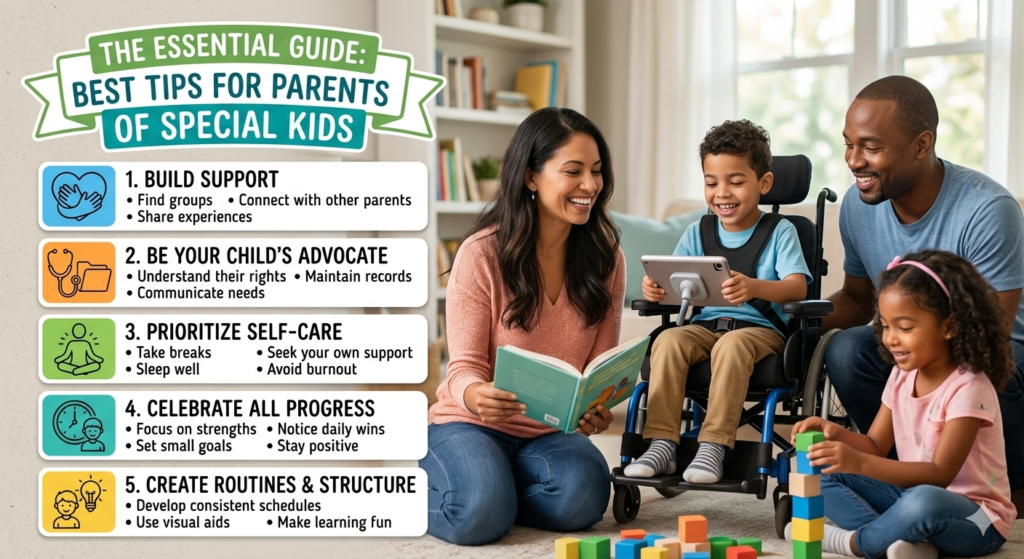
Parents are not just caregivers—they are the strongest support system.

Acceptance is the first step. Understanding replaces fear.

Advocating for the child in school, therapy, and social settings ensures better opportunities.

Learning about the child’s condition helps in providing appropriate support.

When to Seek Professional Help

Seek immediate evaluation if:

  • Developmental delays are significant
  • The child loses previously learned skills
  • Behavior is extreme or harmful
  • Communication is severely limited

Early professional guidance improves long-term development.

Top 10 Parenting Tips for Special Needs Children

  1. Observe development closely
  2. Seek early assessment
  3. Follow structured routines
  4. Be patient and consistent
  5. Encourage small progress
  6. Avoid comparison
  7. Work with professionals
  8. Provide emotional security
  9. Educate yourself about the condition
  10. Focus on strengths, not just challenges

Final Thought

Special needs do not mean less potential. They mean different pathways. A child who learns differently is not behind—they are developing in their own way. With early support, understanding, and patience, children with special needs can grow, learn, and succeed. And the journey begins with awareness.

Read More:

Hyperactive Kids

Autism in Kids

Aggression and Children

Reducing Tantrum 

Anxiety among kinds

REFERENCES (APA 7)

  • Erikson, E. H. (1950). Childhood and society. Norton.
  • Piaget, J. (1952). The origins of intelligence in children. International Universities Press.
  • Bandura, A. (1977). Social learning theory. Prentice Hall.
  • Shonkoff, J. P., & Phillips, D. A. (2000). From neurons to neighborhoods. National Academy Press.
Posted on Leave a comment

Parents vs. Teenagers: Handling Guide

Handling Teenagers: Understanding the Most Misunderstood Stage

A teenager closes the door and says, “You don’t understand me.”

A simple conversation turns into an argument. Advice is rejected. Silence increases.

Parents often feel confused: what changed?

The answer is not that your child has become difficult. The reality is that your child is going through one of the most intense developmental phases of life.

Handling teenagers is not about control. It is about understanding change and adjusting your approach.

What Happens During Teenage Years?

Adolescence is a period of rapid physical, emotional, and psychological transformation.

Teenagers experience strong emotions, a desire for independence, identity exploration, and increased peer influence.

According to Erik Erikson, this stage is defined by identity formation, where individuals try to understand who they are (Erikson, 1968).

This internal struggle often appears externally as behavioral change.

Why Teenagers Behave Differently

Teen behavior is shaped by development, not just attitude.

The emotional brain becomes highly active, while decision-making skills are still developing. This creates impulsive reactions.

Teenagers seek independence and begin questioning authority. Peer relationships become central, and emotions become more intense.

Understanding these factors reduces conflict and improves communication.

Changes in Girls’ Behavior During Teenage Years

Girls often experience emotional and social changes more visibly.

Common Behavioral Changes

  • Increased emotional sensitivity
  • Mood swings
  • Strong focus on friendships and social acceptance
  • Self-image and body awareness concerns
  • Withdrawal or overthinking

Hormonal changes combined with social expectations can increase emotional intensity.

Research shows that adolescent girls are more likely to internalize stress, leading to anxiety or low mood (Steinberg, 2014).

How to Handle Teenage Girls

Support emotional expression instead of dismissing it. When a girl says she is upset, avoid minimizing her feelings.

Encourage open communication without judgment. Create a safe space where she can talk freely.

Guide self-confidence rather than criticizing appearance or choices.

Be patient during mood changes. Emotional regulation is still developing.

Focus on connection, not correction.

Changes in Boys’ Behavior During Teenage Years

Boys often show behavioral changes differently, usually more external than emotional.

Common Behavioral Changes

  • Increased aggression or irritability
  • Risk-taking behavior
  • Desire for independence and control
  • Reduced emotional expression
  • Peer influence and competitiveness

Boys may struggle to express emotions verbally and instead show them through behavior.

How to Handle Teenage Boys

Encourage emotional expression, even if it is difficult. Help them put feelings into words.

Set clear boundaries but avoid excessive control.

Engage in activities together instead of relying only on conversation. Boys often communicate better indirectly.

Teach responsibility and consequences in a calm and consistent way.

Avoid labeling behavior negatively. Focus on guidance instead.

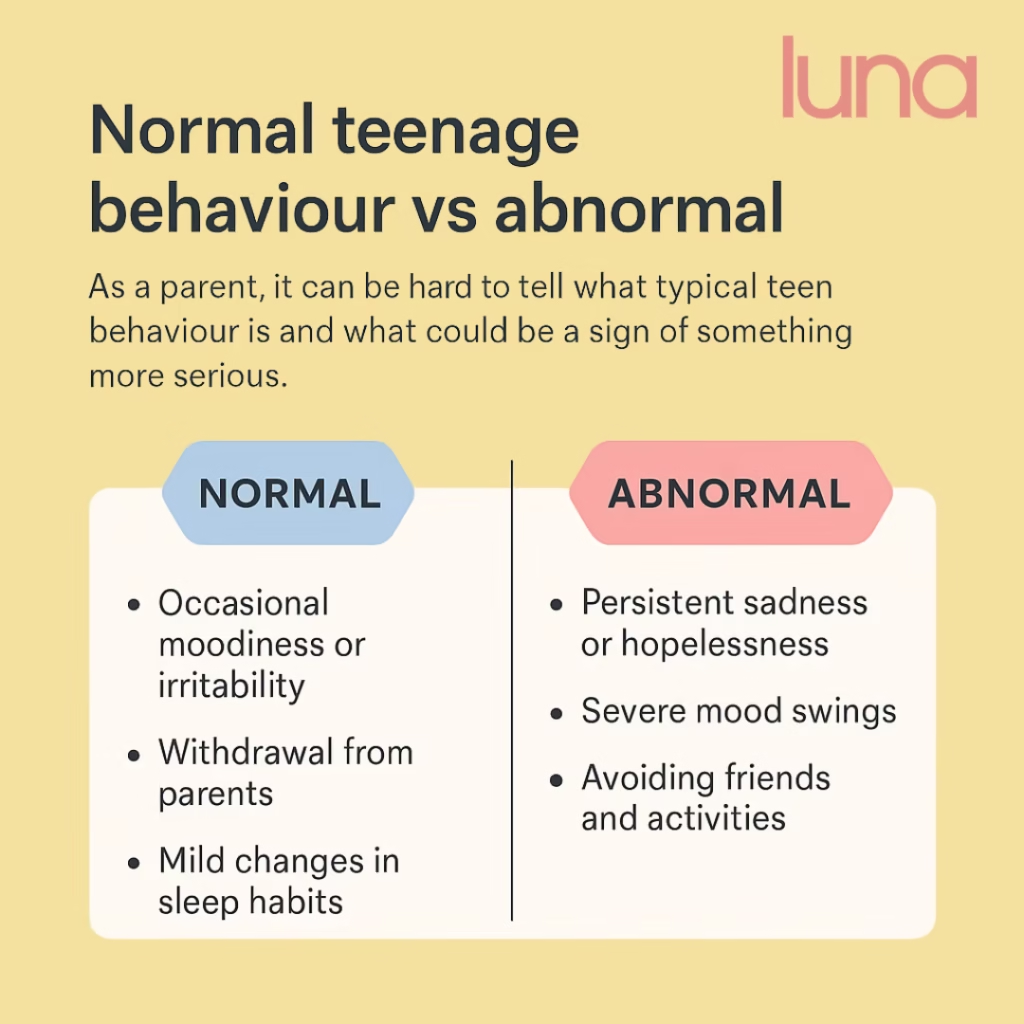
When Behavior Is Normal

Not all difficult behavior is a problem.

Teenage behavior is generally normal when:

  • Mood swings are temporary
  • Arguments happen but relationships remain intact
  • The teenager maintains basic responsibilities
  • Social interaction continues
  • Emotional reactions reduce over time

These are signs of normal developmental adjustment.

When to Seek Professional Help

Some behaviors require attention beyond parenting strategies.

Consult a specialist if:

  • There is persistent sadness, anger, or withdrawal
  • The teenager isolates completely from family and friends
  • There are signs of anxiety or depression
  • Aggression becomes harmful
  • Risky behaviors increase (substance use, self-harm)
  • Academic or daily functioning declines significantly

Early intervention prevents long-term emotional and behavioral difficulties.

Communication: The Core Strategy

Regardless of gender, communication remains the most important tool.

Listen without interrupting. Avoid immediate judgment.

Choose the right time to talk. Emotional moments are not effective for problem-solving.

Ask questions instead of giving orders.

According to Albert Bandura, teenagers learn through observation and interaction, meaning parental communication style directly influences their behavior (Bandura, 1977).

Discipline Without Damaging the Relationship

Teenagers need structure, but they also need respect.

Set clear rules and explain the reasons behind them. Use consequences instead of punishment.

Avoid humiliation, shouting, or comparisons.

The goal is to teach responsibility, not enforce control.

Top 10 Practical Parenting Tips

  1. Listen actively and calmly
  2. Respect independence while setting limits
  3. Avoid harsh criticism
  4. Stay emotionally available
  5. Encourage open communication
  6. Be patient with mood changes
  7. Guide rather than control
  8. Support their identity development
  9. Model respectful behavior
  10. Seek help when needed

Final Thought

Teenage years are not a problem to fix. They are a phase to understand. Boys and girls may express change differently, but both are navigating identity, emotions, and independence. When parents shift from control to connection, conflict reduces and trust grows. Because in the end, teenagers do not need perfect parents. They need parents who stay present during the most confusing years of their lives.

REFERENCES (APA 7)

  • Erikson, E. H. (1968). Identity: Youth and crisis. Norton.
  • Bandura, A. (1977). Social learning theory. Prentice Hall.
Posted on Leave a comment

Social Development of Children

SOCIAL DEVELOPMENT

Social development refers to a child’s ability to:

  • Interact with others
  • Build relationships
  • Understand social rules
  • Communicate effectively
  • Develop empathy and cooperation

It begins in early childhood and continues throughout life.

  • Social development is an important aspect of child development. It is the ability to form positive and pleasing relationships with others (Cohen et al., 2005).
  • This is important to note that social development is closely associated with emotional development and these two aspects of development are frequently termed as socioemotional development. It means that both of the developments occur simultaneously.
  • Social development includes learning the values, knowledge and skills that enable children to relate to others effectively and to contribute in positive ways to family, school and the community.
  • This kind of learning is delivered on to children by three means: directly by parents and teachers; indirectly through social relationships within the family or with friends, and through children’s participation in the culture around them.
  • Social skills include various abilities such as communication, problem-solving, decision making, self-management, and peer relations.
  • Social competence is related to peer acceptance, teacher acceptance, present success, and future (post school) success.

Why Social Development Is Important

Strong social skills help children:

  • Build friendships
  • Adjust to school environments
  • Resolve conflicts
  • Develop confidence
  • Improve emotional well-being

Research shows that early social competence is strongly linked to long-term academic and psychological success (Denham et al., 2003).

How Social Development Happens

Children learn social behavior through experience and observation.

According to Albert Bandura, children learn by observing and imitating others (Bandura, 1977).

This means:

  • Parents are role models
  • Siblings influence behavior
  • Peers shape interaction
  • Environment teaches social norms

STAGES OF SOCIAL DEVELOPMENT

Infancy (0–2 Years): Attachment and Trust

Key Features

  • Bonding with caregivers
  • Responding to facial expressions
  • Seeking comfort

According to John Bowlby, early attachment forms the basis of future relationships (Bowlby, 1969).

Parent Role

Provide consistent care and emotional security.

Early Childhood (2–6 Years): Play and Interaction

Key Features

  • Parallel and cooperative play
  • Learning to share
  • Beginning friendships

Children start understanding basic social rules.

Parent Role

Encourage group play and guide behavior gently.

Middle Childhood (6–11 Years): Friendship and Cooperation

Key Features

  • Strong peer relationships
  • Teamwork and cooperation
  • Understanding fairness

Social comparison and acceptance become important.

Parent Role

Support healthy friendships and teach conflict resolution.

Adolescence (12–18 Years): Identity and Social Belonging

Key Features

  • Strong peer influence
  • Desire for acceptance
  • Social identity formation

According to Erik Erikson, this stage focuses on identity development shaped by social interaction (Erikson, 1968).

Parent Role

Respect independence while maintaining guidance.

Key Social Skills Children Develop

  • Communication skills
  • Empathy and understanding
  • Cooperation and sharing
  • Conflict resolution
  • Adaptability in social settings

These skills develop gradually through experience.

FACTORS AFFECTING SOCIAL DEVELOPMENT

Family Environment

Warm and supportive families promote healthy social behavior.

School and Peers

Interaction with peers helps develop cooperation and communication.

Media and Technology

Digital exposure can influence social behavior positively or negatively.

Culture

Cultural values shape social norms and expectations.

Social Challenges in Children

Some children may experience:

  • Shyness or social anxiety
  • Difficulty making friends
  • Aggressive behavior
  • Poor communication skills

These challenges may require guidance and support.

SOCIAL DEVELOPMENT IN AUTISM

Children with Autism Spectrum Disorder often show differences in social interaction.

Common Characteristics

  • Limited eye contact
  • Difficulty understanding social cues
  • Challenges in communication
  • Preference for routine

Structured social training and therapy can improve interaction skills.

POPULAR THEORIES

Attachment theory by John Bowlby (1907-1990)

Attachment is a psychological bond between humans. It lasts for a long period of time. To Bowlby, because of attachment a baby remains connected to his mother. An infant’s attachment to a caregiver works as the basis for all future social development.

Mary Ainsworth (1913-1999)

She found four different categories of attachment: securely attached, avoidant-insecurely attached, anxious-ambivalently attached and disorganized-disoriented attached.

According to Ainsworth, the attachment patterns that are developed in infancy and toddlerhood remain fairly established throughout the lifetime. So it is important for parents and teachers to focus on the attachment aspect in order to help the child develop positive social relations in the future.

SOCIAL DEVELOPMENT/ PERSONALITY DEVELOPMENT BY ERIK ERIKSON (1902 – 1994)


Psychosocial Crisis

Basic

Virtue

Age

Outcomes

Stage 1

Trust vs. Mistrust

Hope

0 – 2

Children develop a sense of trust when caregivers provide reliability, care, and affection. A lack of this will lead to mistrust.

Stage 2

Autonomy vs. Shame

Will

2 – 3

Children need to develop a sense of personal control over physical skills and a sense of independence. Success leads to feelings of autonomy, failure results in feelings of shame and doubt.

Stage 3

Initiative vs. Guilt

Purpose

3 – 5

Children need to begin asserting control and power over the environment. Success in this stage leads to a sense of purpose. Children who try to exert too much power experience disapproval, resulting in a sense of guilt.

Stage4

Industry vs. Inferiority

Competency

5 – 12

Children need to cope with new social and academic demands. Success leads to a sense of competence, while failure results in feelings of inferiority.

Stage 5

Identity vs. Role Confusion

Fidelity

12 – 18

Teens needs to develop a sense of self and personal identity. Success leads to an ability to stay true to yourself, while failure leads to role confusion and a weak sense of self.

Stage 6

Intimacy vs. Isolation

Love

18 – 40

Young adults need to form intimate, loving relationships with other people. Success leads to strong relationships, while failure results in loneliness and isolation.

Stage 7

Generativity vs. Stagnation

Care

40 – 65

Adults need to create or nurture things that will outlast them, often by having children or creating a positive change that benefits other people. Success leads to feelings of usefulness and accomplishment, while failure results in shallow involvement in the world.

Stage 8

Ego Integrity vs. Despair

Wisdom

65+

Older adults need to look back on life and feel a sense of fulfilment. Success at this stage leads to feelings of wisdom, while failure results in regret, bitterness, and despair.

SOCIO_CULTURAL THEORY OF COGNITIVE DEVELOPMENT BY LEV SEMYONOVICH VYGOTSKY (896-1934)

Vygotsky explained that children learn in a systematic and logical way as a result of dialogue and interaction with a skilled helper within a zone of proximal development (ZPD). It has two boundaries. The lower boundary of the ZPD is activities the learner can do independently without the help of a teacher or guide. Similarly, the upper limit of the ZPD is those learning outcomes that the learner could not achieve at this time, even with a mentor.

More Knowledgeable Other

According to Vygotsky’s theory of cognitive development, children learn through social interaction that includes collaborative and cooperative dialogue with someone who is more skilled in tasks they’re trying to learn. Vygotsky called these people with a higher skill level the More Knowledgeable Other (MKO). They could be teachers, parents, tutors, and even peers.

Scaffolding

Vygotsky’s concept of scaffolding is closely related to the concept of the Zone of Proximal Development. Scaffolding refers to the temporary support given to a child by a More Knowledgeable Other that enables the child to perform a task until such time that the child can perform this task independently.

SOCIAL LEARNING THEORY BY ALBERT BANDURA (1925)

He has done a great deal of work on social learning and is famous for his “Social Learning Theory” (renamed as “Social Cognitive Theory”). According to Bandura, development of competence depends on three kinds of factors:

  • Behaviors children and adults observe within their home or society
  • mental factors such as a student’s own expectations of success, and
  • social factors such as classroom and school climate.

Each factor affects others equally and changes in one factor will result in changes in the others. In the classroom, for example, a child’s beliefs about himself and his competence (self-efficacy) can affect social behavior which, in turn, will have an impact on the classroom environment. At the same time, changes in the classroom that lead to a change in competence will have an impact on self-efficacy

ENVIRONMENTAL ECOLOGICAL THEORY BY URIE BRONFENBRENNER WAS BORN (1917-2005)

Ecological theory states that people develop within a series of environmental systems.

  • At the base is Micro-system, which includes home, family, neighborhood, and school where the individual spends a large part of his time.
  • The meso system functions as an interconnection between the micro system.
  • Exo-system involves links between a social setting in which the individual does not have an active role and the individual’s immediate context. For example, a child’s experience at home may be influenced by the parents’ experiences at work.
  • Macro-system describes the culture in which individuals. Cultural contexts include developing and industrialized countries, socioeconomic status, poverty, and ethnicity. Macro-system describes the culture in which individuals live.
  • Chrono-system is the derivation of environmental events and changes in socio-historical conditions.

HOW PARENTS CAN SUPPORT SOCIAL DEVELOPMENT

Model positive behavior. Children learn from what they see.

Encourage social interaction through play and group activities.

Teach communication skills by talking and listening actively.

Guide behavior instead of punishing mistakes.

When to Be Concerned

Parents should seek help if:

  • The child avoids social interaction completely
  • Communication is significantly delayed
  • Aggressive behavior is frequent
  • The child struggles to form relationships

Early support improves outcomes.

TOP 10 PARENTING TIPS

  1. Encourage interaction with others
  2. Model respectful behavior
  3. Teach sharing and cooperation
  4. Support friendships
  5. Guide conflict resolution
  6. Limit negative influences
  7. Encourage communication
  8. Be emotionally available
  9. Observe social behavior
  10. Seek help when needed

Final Thought

Social development is not taught through rules.

It is learned through experience.

Every interaction a child has becomes a lesson.

And every relationship they build becomes part of who they are.

REFERENCES (APA 7)

  • Bandura, A. (1977). Social learning theory. Prentice Hall.
  • Bowlby, J. (1969). Attachment and loss. Basic Books.
  • Erikson, E. H. (1968). Identity: Youth and crisis. Norton.
  • Denham, S. A., et al. (2003). Preschool emotional competence and social behavior. Child Development.
Posted on Leave a comment

Is Parenting Stressful? Causes, Effects and How to Cope

Is Parenting Stressful? The Truth Behind Everyday Parenting

Most parents ask this question silently at some point.

After a long day of managing work, school routines, tantrums, homework, and emotional needs, a parent sits down and thinks:
“Why is this so hard?”

The simple answer is yes—parenting can be stressful. But the deeper truth is more important: stress in parenting is not a sign of failure; it is a normal human response to responsibility, change, and emotional demand.

Why Parenting Feels Stressful

Parenting is one of the most emotionally demanding roles in life. It requires constant decision-making, emotional regulation, and responsibility for another human being.

Stress often comes from:

  • Lack of rest and personal time
  • Financial pressure
  • Child behavior challenges
  • Work-life imbalance
  • Social expectations of “perfect parenting”

Psychological research shows that parenting stress increases when demands exceed available coping resources (Abidin, 1992).

What Parenting Stress Actually Does to the Mind

Parenting stress is not just emotional—it affects thinking, patience, and decision-making.

A stressed parent may feel:

  • Irritable or overwhelmed
  • Emotionally exhausted
  • Less patient with children
  • Guilty after reactions

According to Albert Bandura, children learn emotional regulation by observing parents. This means parental stress directly influences child behavior and emotional development (Bandura, 1977).

When Parenting Stress Becomes Heavy

Some level of stress is normal. But it becomes concerning when it is constant and affects daily functioning.

Signs include:

  • Feeling emotionally drained most days
  • Loss of enjoyment in parenting
  • Frequent anger or frustration
  • Difficulty bonding with children
  • Sleep disturbances or anxiety

Chronic stress can impact both parent well-being and child development.

Parenting Stress Across Different Stages

Parenting stress changes as children grow.

Early Childhood

High physical demand, sleep disruption, and constant supervision create stress.

Middle Childhood

Academic pressure, discipline challenges, and behavioral issues become major stressors.

Adolescence

Emotional distance, independence struggles, and communication gaps increase stress.

According to Erik Erikson, each developmental stage presents new psychological challenges that affect both children and parents (Erikson, 1950).

Why Modern Parenting Feels More Stressful

Modern parenting comes with unique pressures:

  • Social media comparison
  • Information overload
  • “Perfect parent” expectations
  • Reduced family support systems

Parents today are expected to be emotionally available, financially stable, educationally supportive, and socially active—all at the same time.

This creates continuous psychological pressure.

How Parenting Stress Affects Children

Children are highly sensitive to emotional environments.

When parents are stressed, children may show:

  • Increased anxiety
  • Behavioral problems
  • Emotional withdrawal
  • Attention difficulties

Research shows that parental stress is strongly linked to child emotional and behavioral outcomes (Deater-Deckard, 2004).

How to Reduce Parenting Stress

Stress cannot be eliminated completely, but it can be managed effectively.

Start by accepting that perfection is not the goal. Good parenting is not about being flawless—it is about being consistent and emotionally present.

Sharing responsibilities reduces pressure. Parenting is not meant to be done alone.

Taking short breaks helps reset emotional balance.

Building realistic expectations reduces unnecessary guilt.

The Role of Emotional Awareness

Parents who understand their own emotions respond better to their children.

According to emotional regulation research, awareness of stress reduces impulsive reactions and improves parenting quality (Gross, 2015).

This means managing the parent’s emotional state is just as important as managing the child’s behavior.

Practical Strategies That Actually Help

  • Create simple daily routines
  • Ask for support when needed
  • Sleep and rest when possible
  • Limit unnecessary comparison with others
  • Focus on connection, not control
  • Practice short pauses before reacting

Small changes in daily habits can significantly reduce stress levels over time.

When to Seek Help

Parenting stress may require professional support if:

  • You feel overwhelmed most of the time
  • Stress affects your health or relationships
  • You feel emotionally disconnected from your child
  • Anxiety or depressive symptoms appear

Seeking help is not weakness—it is self-care and responsible parenting.

Final Thought

Parenting is stressful—but it is also meaningful, evolving, and deeply human.

Stress does not mean failure. It means responsibility.

And when parents learn to manage their stress, they do not just improve their own well-being—they shape a healthier emotional environment for their children.

REFERENCES (APA 7)

  • Abidin, R. R. (1992). The determinants of parenting behavior. Journal of Clinical Child Psychology.
  • Bandura, A. (1977). Social learning theory. Prentice Hall.
  • Erikson, E. H. (1950). Childhood and society. Norton.
  • Deater-Deckard, K. (2004). Parenting stress and child behavior. Yale University Press.
  • Gross, J. J. (2015). Emotion regulation: Current status and future directions. Psychological Inquiry.